Orthopedics: Your Quick Guide to Bones, Joints, and Recovery
If you’ve ever felt a sharp knee pain or wondered why a broken arm takes weeks to heal, you’ve stepped into the world of orthopedics. This page gives you straight‑forward answers about what orthopedics covers, which procedures are most common in India, and how to make the recovery journey smoother.
What Orthopedic Care Includes
Orthopedic doctors treat anything related to bones, joints, muscles, ligaments, and tendons. The most frequent issues are fractures, arthritis pain, and sports injuries. In India, the top surgeries you’ll hear about are knee replacements, spinal fusions, and arthroscopic procedures for meniscus tears.
When you visit an orthopedic surgeon for the first time, expect a physical exam, X‑ray or MRI, and a discussion about your daily activities. The doctor will map out a treatment plan that might include medication, physical therapy, or surgery. Knowing the cost of a consultation (often between ₹500‑₹1500 in major cities) helps you budget early.
For fracture cases, the goal is to realign the bone and keep it stable while it heals. This may involve casts, splints, or surgical pins. After the bone is set, physiotherapy starts within a few weeks to restore strength and range of motion.
Tips for a Smooth Recovery
Recovery isn’t just about the hospital stay; it’s what you do at home that decides how fast you bounce back. Here are three practical steps:
1. Move early, but safely. Simple ankle pumps or gentle leg lifts keep blood flowing and reduce clot risk. If you’ve had knee replacement, a therapist will show you safe bathroom tricks – like using a raised stool – to avoid strain.
2. Follow the pain plan. Strongest drugs for nerve pain or arthritis, like certain opioids or NSAIDs, work only when taken as prescribed. Ask your doctor about side‑effects and never double‑dose.
3. Watch for red flags. Increasing swelling, fever, or a new clicking sound in a joint could mean infection or implant issues. If any of these appear, call your surgeon right away.
Choosing the right hospital also matters. Look for centers that specialize in orthopedics, have a dedicated rehab unit, and report low infection rates. Reviews from other patients can highlight how well the staff supports post‑op care.
Finally, keep a simple diary of pain levels, medication times, and mobility milestones. This record helps your therapist adjust exercises and lets your surgeon see progress at follow‑up visits.
Orthopedics may sound technical, but the core idea is simple: protect your bones, treat injuries early, and move wisely during recovery. Use this guide as a checklist the next time you face a fracture, surgery, or chronic joint pain, and you’ll feel more confident about the steps ahead.

Total Knee Replacement Recovery: How Long to Walk Normally?
Discover how long it takes to walk normally after total knee replacement. Learn the realistic 3-6 month timeline, key milestones, and tips to speed up recovery.

How Long Will I Need a Walker After Knee Replacement?
Learn how long you'll need a walker after knee replacement. Discover the typical 2-week timeline, signs you're ready for a cane, and tips for safe transitions.

Medications for Orthopedic Swelling: A Practical Guide
Discover the best medications for orthopedic swelling, including NSAIDs, steroids, and topical gels. Learn how to manage inflammation safely and when to seek professional care.
What Does Orthopedics Cover? A Complete Guide to Bone, Joint & Muscle Care
Discover the full scope of orthopedics, from treating broken bones to managing chronic arthritis. Learn about diagnostic tools, surgical options, and when to see a specialist.

What Is the Hardest Day After Knee Replacement? A Patient's Recovery Timeline
Discover which day is the hardest after knee replacement surgery. We break down the recovery timeline, pain peaks, and tips to manage the toughest days effectively.
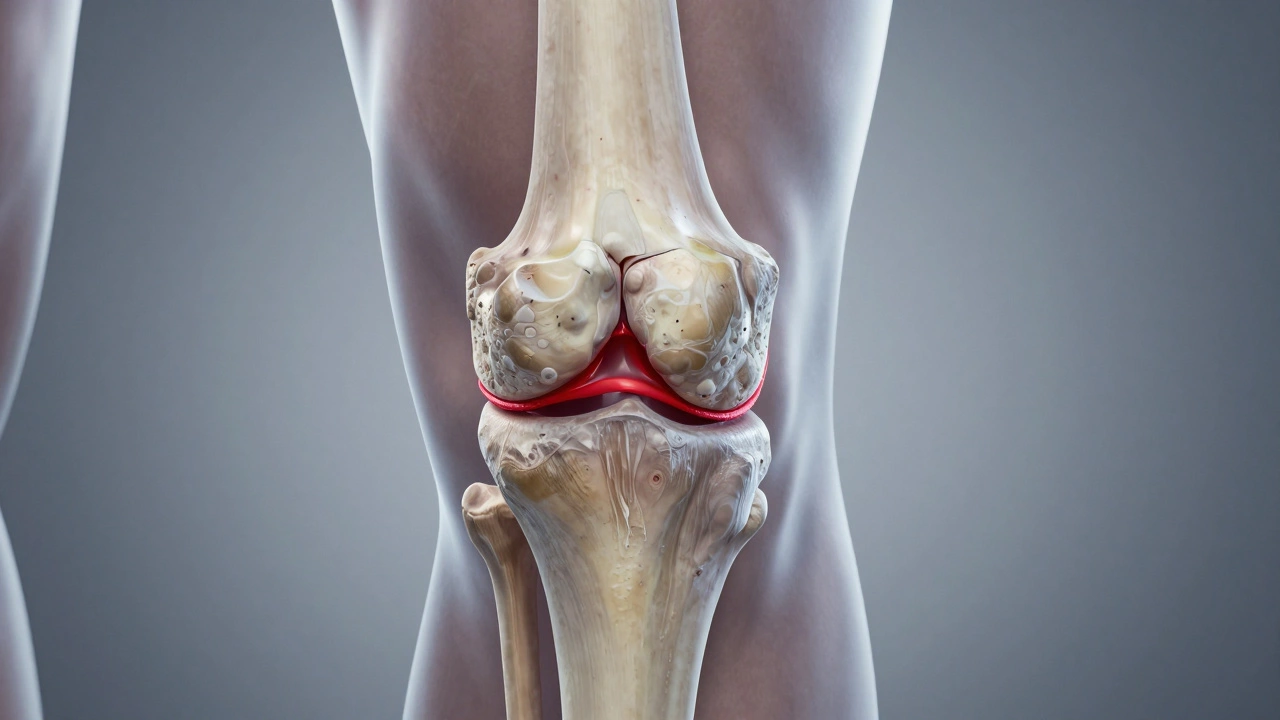
When Is Knee Replacement Necessary? Signs, Pain Levels, and Recovery
Discover the exact signs that indicate it's time for a knee replacement. Learn about pain levels, functional limitations, and imaging criteria surgeons use to decide when surgery is necessary.
Orthopedic Specialist vs. Rheumatologist: Who Treats Joint and Muscle Pain Best?
Confused about who treats joint pain? Learn the differences between orthopedic surgeons, rheumatologists, and physiatrists to find the right specialist for your specific symptoms.

What is Bone Surgery Called? A Guide to Orthopedic Procedures
Discover what bone surgery is really called. From orthopedic surgery to specific terms like arthroplasty and osteotomy, learn the names, purposes, and recovery tips for common bone procedures.

How Long Is Bed Rest After Knee Replacement? Recovery Timeline & Tips
Discover the truth about bed rest after knee replacement. Learn why early mobilization is crucial, get a week-by-week recovery timeline, and find tips to speed up healing.

How Long Does Knee Replacement Pain Last? Recovery Timeline & Tips
Find out exactly how long knee replacement pain lasts. From immediate post-op soreness to full recovery, we break down the timeline, pain management tips, and when to worry.
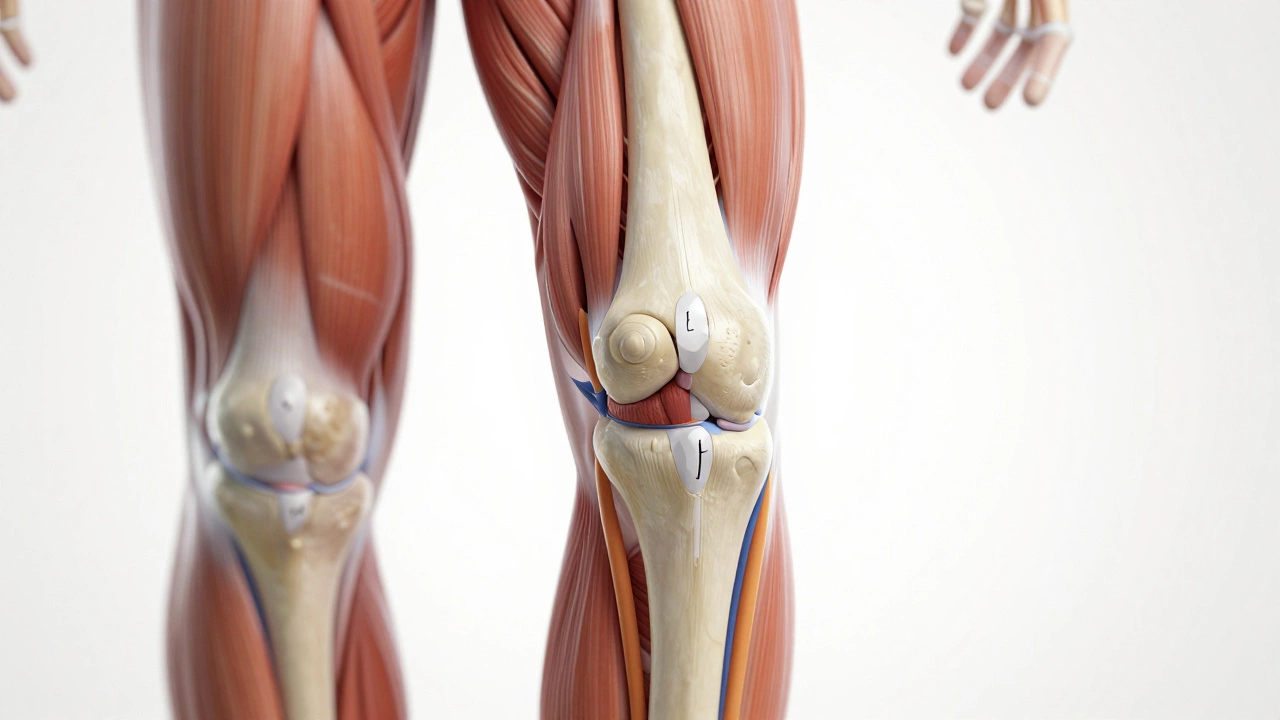
What Do Orthopedics Take Care Of? A Complete Guide to Bone and Joint Health
Discover what orthopedics truly covers beyond broken bones. From joint replacements and spine care to sports injuries and pediatric issues, learn how orthopedic specialists maintain your musculoskeletal health.

How to Poop After Knee Replacement Surgery: A Complete Recovery Guide
Struggling with bowel movements after knee replacement? Learn practical tips for managing constipation, setting up a safe bathroom, and using medications effectively during recovery.