Post-Surgery Bathroom Readiness Calculator
Your Readiness Score
Action Plan:
It sounds like an awkward question, but it is one of the most common struggles patients face after knee replacement surgery. You are focused on walking again, but your body is stuck in a different kind of loop. The combination of strong pain medications, anesthesia, and limited mobility can turn a simple bathroom trip into a major logistical challenge. If you are reading this, you likely want to know how to get comfortable, avoid straining, and keep things moving without ruining your new joint.
The good news is that this is temporary. With the right strategy, you can manage your bowels effectively during the critical first few weeks of recovery. Let’s break down exactly what happens to your body, why it happens, and the practical steps you can take right now to make it easier.
Why Is It So Hard to Go After Surgery?
To fix the problem, you first need to understand the cause. Your digestive system doesn’t just pause when you go under anesthesia; it actively slows down. This condition is known as postoperative ileus. During the procedure, your nerves receive signals that temporarily inhibit gut motility. Add to that the powerful opioid painkillers (like oxycodone or hydrocodone) prescribed for pain management, and you have a recipe for severe constipation. Opioids bind to receptors in your gut, slowing down peristalsis-the wave-like muscle contractions that move stool through your intestines.
Then there is the physical aspect. You cannot bend forward easily. You cannot squat. You might be restricted from sitting on a standard toilet seat due to height limitations or fear of falling. This lack of mechanical assistance means your body has to work harder than usual to push waste out, which leads to straining. Straining increases intra-abdominal pressure, which can be uncomfortable for your incision site and potentially risky if you slip or lose balance.
The Golden Rule: Don't Wait Until You're Urgent
The biggest mistake patients make is waiting until they feel a strong urge. By then, the stool has often become hard and dry because water has been reabsorbed by the colon. Instead, adopt a scheduled approach. Try to use the bathroom at the same time every day, ideally after breakfast. Eating triggers the gastrocolic reflex, a natural signal from your stomach to your colon that says, "Make room for new food." Leveraging this biological clock makes the process smoother and more predictable.
If you don't go within 10-15 minutes, don't force it. Get up, walk around your home with your walker or crutches, and try again later. Forcing yourself while straining can lead to hemorrhoids or dizziness, especially since blood pressure can fluctuate after surgery.
Setting Up Your Bathroom for Safety and Comfort
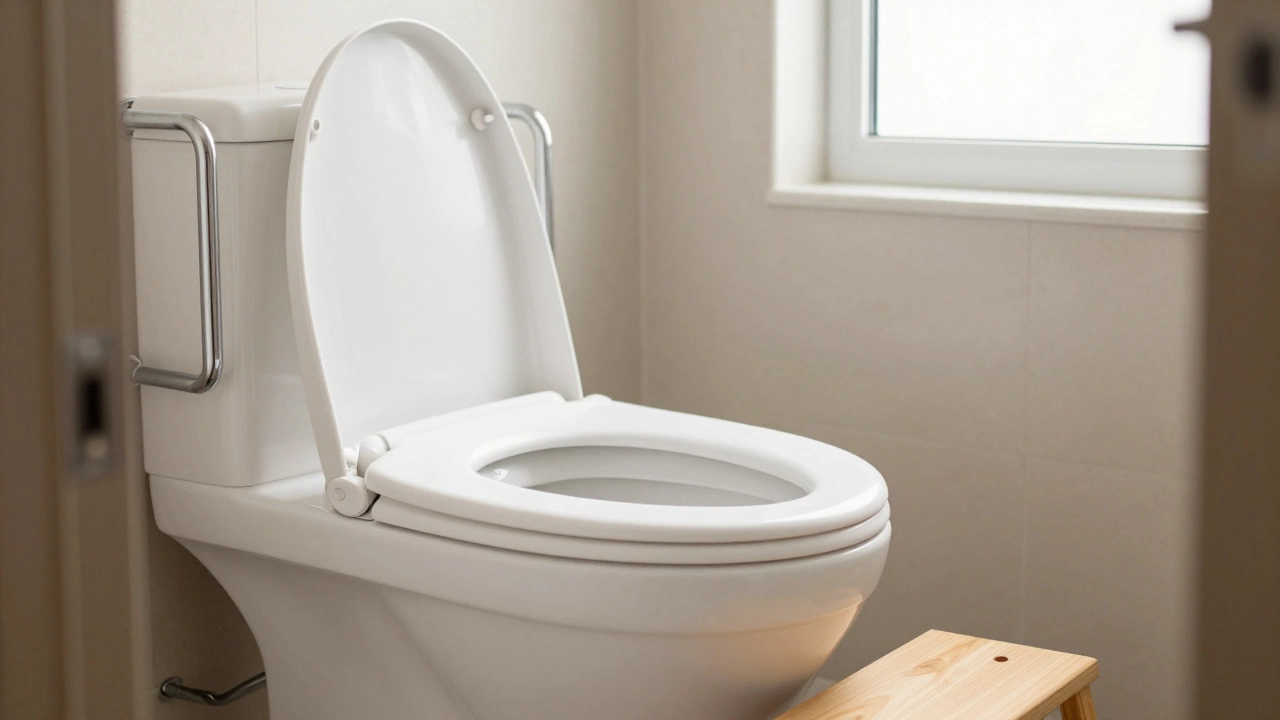
Your environment plays a huge role in how easy it is to poop after knee replacement. Standard toilets are often too low, requiring you to bend your knees more than 90 degrees, which is usually prohibited in the early stages of recovery. Here is how to modify your space:
- Use a Toilet Seat Raiser: This is non-negotiable. A raised seat brings the toilet closer to chair height, allowing you to sit with your hips slightly higher than your knees. This position reduces strain on the surgical knee and makes it easier to stand back up.
- Install Grab Bars: Place sturdy grab bars on the wall next to the toilet. These provide leverage for standing up and security if you feel dizzy. Ensure they are anchored securely into studs, not just drywall anchors.
- Footstool Placement: While you shouldn't squat, elevating your feet slightly can help straighten the rectal angle, making elimination easier. However, ensure the footstool is stable and won't slide away. Some patients prefer keeping feet flat for stability; listen to your body.
- Clear the Path: Remove rugs, clutter, or pet toys from the path between your bed and the bathroom. Falls are a serious risk during recovery, and a clear path is essential.
| Item | Purpose | Key Feature to Look For |
|---|---|---|
| Toilet Seat Raiser | Elevates seating height | Sturdy plastic or wood, no wheels |
| Grab Bars | Provides stability and leverage | Wall-mounted, high weight capacity |
| Night Light | Prevents falls at night | Motion-activated, soft glow |
| Long-Handled Squeegee | Cleaning without bending | Telescopic handle, rubber grip |

Dietary Strategies to Keep Things Moving
What you eat directly impacts your bowel movements. In the days leading up to surgery, many patients reduce their intake due to nausea or anxiety, which slows digestion. Post-surgery, you need to reverse this trend immediately. Focus on three key elements: fiber, fluids, and probiotics.
Fiber adds bulk to your stool, helping it pass through the intestines more easily. Aim for 25-35 grams of fiber daily. Good sources include prunes, pears, apples (with skin), oats, and leafy greens. If solid foods are difficult to chew or digest, consider a fiber supplement like psyllium husk (Metamucil). Start with a small dose and increase gradually to avoid gas and bloating, which can be painful with a tight abdomen.
Fluids are equally important. Fiber without water can actually worsen constipation by creating a dry, hard mass in the colon. Drink at least 8-10 glasses of water a day. Warm liquids, such as herbal tea or warm lemon water, can stimulate bowel activity more effectively than cold drinks. Avoid excessive caffeine and alcohol, as they can dehydrate you.
Probiotics support a healthy gut microbiome, which may have been disrupted by antibiotics given before or during surgery. Yogurt with live cultures, kefir, or a high-quality probiotic supplement can help restore balance and improve digestion.
Medication Management: Stool Softeners vs. Laxatives
Most surgeons prescribe a stool softener, such as docusate sodium (Colace), starting the day before surgery. Take it exactly as directed. Stool softeners add moisture to the stool, making it easier to pass without stimulating muscle contractions. They are gentle and safe for long-term use during recovery.
If stool softeners aren't enough, you may need a mild laxative. Polyethylene glycol (MiraLAX) is often recommended because it draws water into the colon to soften stool and is less likely to cause dependency or cramping compared to stimulant laxatives like senna or bisacodyl. Use stimulant laxatives only as a last resort and for short periods, as they can cause abdominal cramping and electrolyte imbalances.
Never stop taking your pain medication abruptly if it causes constipation. Instead, talk to your doctor about adjusting the dosage or switching to non-opioid alternatives like acetaminophen or NSAIDs (if approved by your surgeon) once the acute pain subsides. Reducing opioid intake is one of the most effective ways to resolve post-surgical constipation.
Positioning Techniques for Easier Elimination
Sitting on a toilet requires a specific posture that can be challenging after knee surgery. Here are some tips to optimize your position:
- Lean Forward Slightly: Rest your elbows on your thighs or use a pillow for support. This helps engage your abdominal muscles gently without straining the knee.
- Keep Feet Flat: Unless using a footstool, keep both feet flat on the floor to maintain stability. If your operated leg is elevated, ensure the other foot is firmly planted.
- Breathe Deeply: Avoid holding your breath (Valsalva maneuver), which increases pressure in the chest and abdomen. Inhale deeply through your nose and exhale slowly through your mouth as you bear down gently.
- Use a Mirror: If you are worried about soiling your clothes or sheets, place a disposable pad or towel on the toilet seat beforehand. This reduces anxiety, which can itself contribute to constipation.
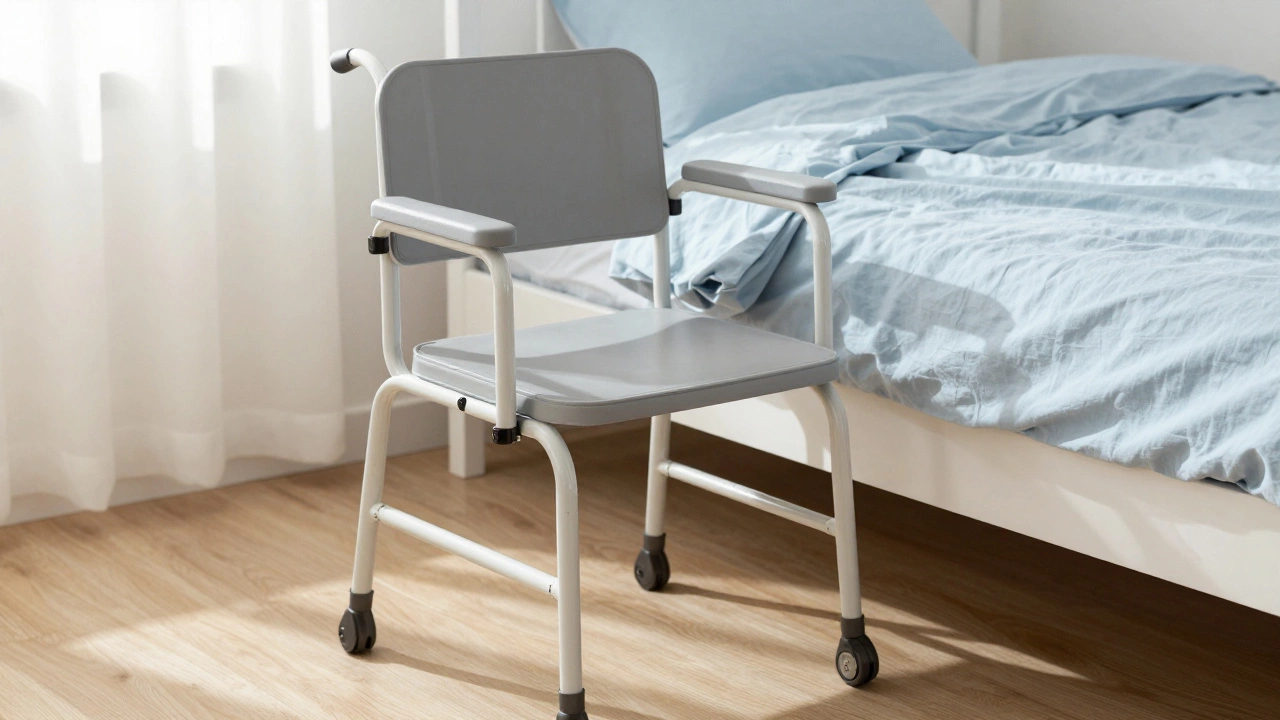
If sitting on the toilet is too painful or unstable, consider using a bedside commode. These portable units allow you to relieve yourself in the privacy of your bedroom, minimizing the distance you need to travel. They also offer adjustable heights and armrests for added support.
When to Call Your Doctor
While constipation is common, certain symptoms require immediate medical attention. Contact your healthcare provider if you experience:
- Severe Abdominal Pain: Mild discomfort is normal, but sharp, persistent pain could indicate a blockage or other complication.
- No Bowel Movement for More Than 3 Days: Despite using stool softeners and increasing fiber/fluid intake.
- Vomiting: Especially if accompanied by inability to pass gas, which suggests a bowel obstruction.
- Blood in Stool: Small amounts of blood may be due to hemorrhoids from straining, but significant bleeding needs evaluation.
- Dizziness or Fainting: This could be related to dehydration, medication side effects, or orthostatic hypotension.
Don't hesitate to ask for help. Nurses and caregivers are accustomed to these issues and can provide guidance or adjust your medication regimen. Remember, managing your bowels is a crucial part of your overall recovery. Ignoring it can lead to complications that delay your progress.
Returning to Normalcy
As you wean off pain medications and increase your activity levels, your bowel function will naturally improve. Most patients see significant relief within two to four weeks post-surgery. Continue to prioritize fiber and hydration even after you feel better, as these habits support long-term digestive health.
Recovery from knee replacement is a marathon, not a sprint. Every step, including the ones to the bathroom, counts. By preparing your environment, adjusting your diet, and using the right medications, you can navigate this uncomfortable phase with confidence and ease. You’ve got this.
How long does constipation last after knee replacement surgery?
Constipation typically lasts for the duration of opioid pain medication use, which is often 1-3 weeks. As you taper off opioids and increase mobility, bowel function usually returns to normal. However, individual experiences vary based on diet, hydration, and pre-existing digestive conditions.
Can I take MiraLAX after knee surgery?
Yes, MiraLAX (polyethylene glycol) is commonly recommended by surgeons for post-operative constipation. It is generally safe and effective. Always consult your doctor before starting any new medication or supplement to ensure it doesn't interact with your current prescriptions.
Is it safe to strain during a bowel movement after knee surgery?
Straining should be avoided as much as possible. It increases intra-abdominal pressure, which can cause dizziness, fainting, or strain on the surgical site. Use stool softeners, adequate hydration, and proper positioning to minimize the need for straining.
What foods help with constipation after surgery?
High-fiber foods like prunes, pears, apples, oats, beans, and leafy greens are excellent. Additionally, warm liquids like herbal tea or warm water with lemon can stimulate bowel movements. Probiotic-rich foods like yogurt may also help restore gut health disrupted by antibiotics.
Should I use a bedside commode after knee replacement?
A bedside commode is highly recommended if walking to the bathroom is difficult or if you are at risk of falling. It provides convenience, safety, and adjustable height options. Many patients find it easier to manage in the first week or two of recovery.
Will my knee replacement implant affect my ability to sit on the toilet?
The implant itself does not restrict sitting, but the healing tissues and swelling do. Surgeons typically advise avoiding deep flexion (bending the knee more than 90 degrees) for the first few weeks. Using a raised toilet seat helps maintain a safer angle while protecting the new joint.