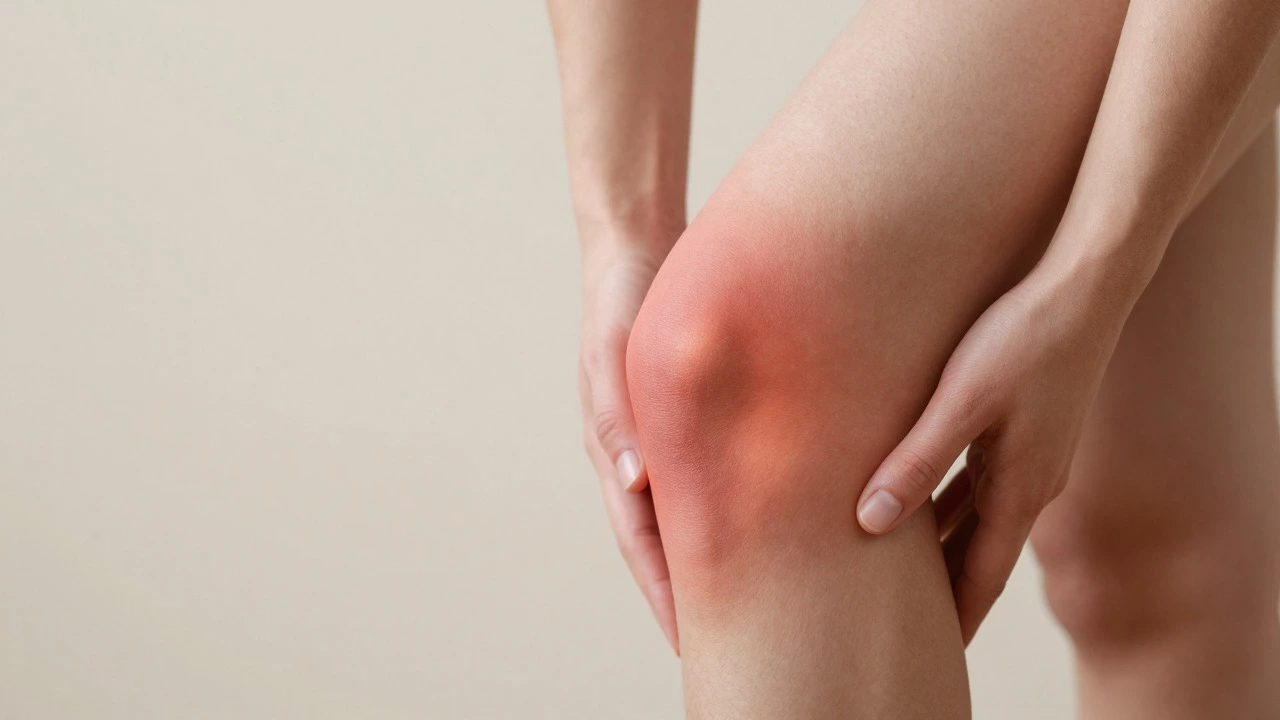
Orthopedic Consultation Decision Tool
Select every symptom or situation that currently applies to you. The tool instantly estimates how urgent a visit to an orthopedic specialist might be.
Your knee clicks when you climb stairs. Your lower back aches after sitting at a desk for eight hours. You twist your ankle playing cricket and it swells up like a balloon. These aren't just minor annoyances; they are signals from your Musculoskeletal System that something is off. Many people think Orthopedics is only about breaking bones or replacing hips in old age. But the reality is much broader. Orthopedics is the medical specialty dedicated to diagnosing, treating, and preventing conditions affecting the entire framework of movement: bones, joints, ligaments, tendons, muscles, and nerves.
Whether you are an athlete looking to recover from a tear, a parent worried about your child's scoliosis, or someone dealing with chronic arthritis, understanding what falls under this umbrella helps you ask the right questions and get the right care faster. Here is a clear breakdown of exactly what orthopedics covers, how it works, and when you should see a specialist.
The Core Components of the Musculoskeletal System
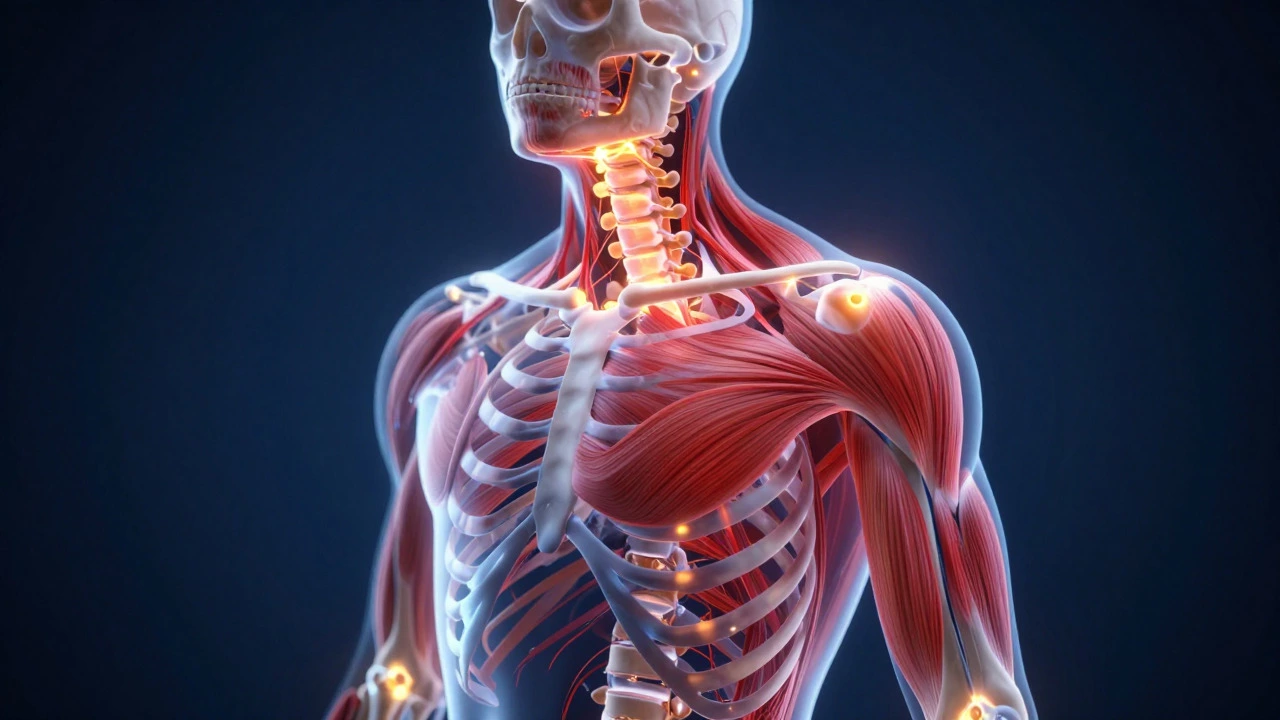
To understand the scope of orthopedics, you first need to know what it treats. The field doesn't just look at hard structures; it manages the complex interaction between them. When one part fails, others compensate, leading to chain-reaction pain.
- Bones: The structural framework. Issues range from fractures and bone tumors to metabolic conditions like osteoporosis.
- Joints: The hinges and ball-and-socket connections. Arthritis (both rheumatoid and osteoarthritis) primarily attacks these areas.
- Ligaments and Tendons: Connective tissues that stabilize joints and attach muscle to bone. Tears here cause sprains and strains.
- Muscles: The engines of movement. Weakness or spasms often stem from underlying nerve or joint issues.
- Nerves: While neurology handles the brain, orthopedics deals with peripheral nerves compressed by spinal discs or herniated tissue, such as in carpal tunnel syndrome or sciatica.
This interconnectedness means that a simple shoulder pain might actually be a referred pain from a neck disc issue. An orthopedic surgeon looks at the whole picture, not just the isolated symptom.
Common Conditions Treated in Orthopedic Practice
Orthopedic clinics handle a wide spectrum of cases, from acute trauma to slow-progressing degenerative diseases. Here are the most frequent scenarios you will encounter:
- Fractures and Trauma: From simple wrist breaks to complex pelvic fractures from car accidents. Treatment involves setting the bone, using casts, or surgical fixation with plates and screws.
- Arthritis and Joint Degeneration: Osteoarthritis is the wear-and-tear type, common in knees and hips. Rheumatoid arthritis is an autoimmune attack on the joint lining. Both lead to stiffness and pain.
- Sports Injuries: ACL tears, rotator cuff injuries, and stress fractures are staples of sports medicine, a sub-specialty within orthopedics focused on high-performance recovery.
- Spinal Disorders: Herniated discs, scoliosis (curvature of the spine), and stenosis (narrowing of the spinal canal) are major focus areas, often requiring minimally invasive procedures.
- Hand and Wrist Pathologies: Carpal tunnel syndrome, trigger finger, and tendonitis in the hands affect fine motor skills and quality of life significantly.
It is worth noting that not every bone pain requires surgery. A significant portion of orthopedic treatment is conservative, relying on physical therapy, medication, and lifestyle changes before considering invasive options.
Diagnostic Tools: How Doctors See Inside Your Body
You can't fix what you can't see. Modern orthopedics relies heavily on advanced imaging to pinpoint the exact source of pain. Walking into an orthopedic hospital, you will likely interact with these technologies:
| Imaging Type | Best For | Key Advantage | Limitations |
|---|---|---|---|
| X-Ray | Fractures, basic joint alignment | Fast, low cost, low radiation | Poor soft tissue detail |
| MRI | Ligaments, tendons, discs, cartilage | High-resolution soft tissue view | Expensive, long scan time |
| CT Scan | Complex fractures, bone tumors | 3D reconstruction of bone structure | Higher radiation dose |
| Ultrasound | Tendon tears, fluid collection | Real-time, no radiation, portable | Operator dependent, limited depth |
For example, if you have persistent knee pain but a normal X-ray, an MRI is usually the next step to check for meniscus tears or ligament damage. Understanding which test is appropriate saves you money and unnecessary waiting times.
Treatment Options: From Rest to Robotic Surgery
Once diagnosed, the treatment path varies widely. It is rarely a one-size-fits-all approach. Doctors typically follow a stepped-care model, starting with the least invasive option that has a high chance of success.
Conservative Management includes:
- Physical Therapy: Strengthening surrounding muscles to support weak joints.
- Medication: NSAIDs for inflammation, corticosteroid injections for localized pain relief.
- Bracing and Splinting: Immobilizing injured areas to allow healing.
- Lifestyle Modifications: Weight loss to reduce load on knees and hips.
Surgical Intervention becomes necessary when conservative methods fail or when there is structural instability. Today’s surgical landscape is incredibly diverse:
- Arthroscopy: Minimally invasive keyhole surgery using a camera to repair torn cartilage or ligaments.
- Total Joint Replacement: Replacing damaged hip, knee, or shoulder joints with prosthetic implants.
- Spinal Fusion: Stabilizing vertebrae to relieve nerve compression.
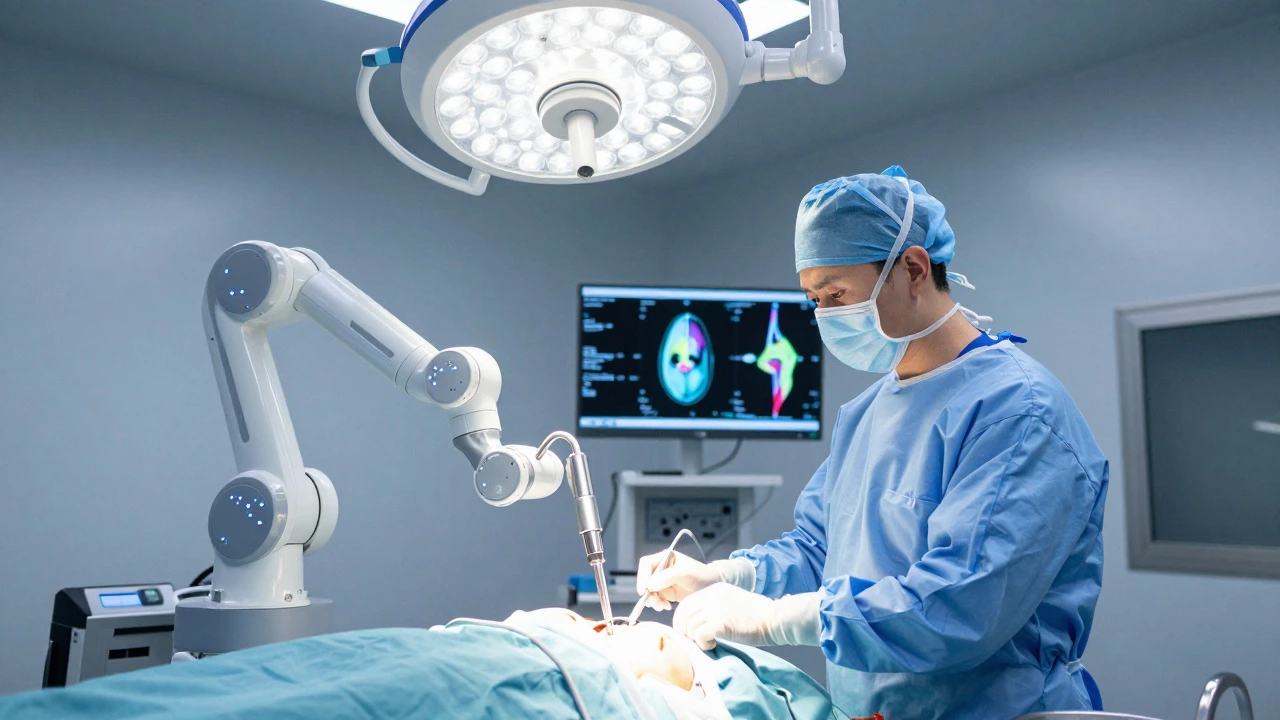
- Robotic-Assisted Surgery: Using robots for precise implant placement, reducing human error and speeding up recovery.
In India, particularly in cities like Pune, access to robotic surgery and advanced arthroplasty has increased significantly over the last five years, making cutting-edge treatments more accessible than ever before.
Specialized Sub-Fields Within Orthopedics
Because the body is so large, general orthopedists often refer patients to sub-specialists who focus on specific regions or patient demographics. Knowing these distinctions helps you find the right expert.
- Sports Medicine: Focuses on active individuals, optimizing performance and returning athletes to play safely.
- Pediatric Orthopedics: Handles growing children, addressing congenital issues like clubfoot, developmental dysplasia of the hip, and growth plate injuries.
- Geriatric Orthopedics: Specializes in elderly patients, focusing on fracture prevention (osteoporosis) and rapid recovery from falls.
- Foot and Ankle Surgery: Deals with bunions, flat feet, Achilles tendon ruptures, and diabetic foot ulcers.
- Hand and Upper Limb Surgery: Microsurgery experts who repair tiny nerves and vessels in the hand and arm.
If you are unsure which sub-specialist to see, start with a general orthopedic consultant. They act as the gatekeepers, evaluating your case and directing you to the specific expert if needed.
When Should You See an Orthopedic Specialist?
Many people wait too long to seek help, thinking pain will go away. However, early intervention often prevents permanent damage. You should book an appointment if:
- Pain persists for more than two weeks despite rest and over-the-counter medication.
- You experience swelling, redness, or warmth around a joint.
- You have difficulty performing daily activities like walking, gripping, or sleeping.
- You heard a "pop" or "crack" during an injury, followed by immediate pain.
- You have numbness or tingling radiating down your arms or legs.
Ignoring these signs can turn a treatable sprain into a chronic instability issue or a manageable arthritis flare-up into a need for joint replacement. Proactive care is always cheaper and less painful than reactive repair.
Frequently Asked Questions
Is orthopedics the same as rheumatology?
No, they are different specialties. Orthopedics focuses on the mechanical aspects of bones and joints, often using surgery or physical therapy. Rheumatology focuses on systemic autoimmune diseases like lupus or rheumatoid arthritis, primarily using medication. However, they often collaborate for patients with severe joint disease.
At what age is knee replacement surgery recommended?
There is no strict age limit. Decisions are based on function and pain level rather than chronological age. A healthy 60-year-old may not need surgery, while an active 55-year-old with severe disability might be a candidate. Modern implants are designed to last 15-20 years.
Does orthopedics treat back pain?
Yes. The spine is a central component of the musculoskeletal system. Orthopedic surgeons treat herniated discs, spinal stenosis, scoliosis, and vertebral fractures. If the back pain is caused by nerve compression or structural misalignment, an orthopedic specialist is the correct choice.
How long does recovery take after hip replacement?
Most patients walk with assistance within 24 hours of surgery. Full recovery, including regaining strength and independence in daily activities, typically takes 6 to 12 weeks. Physical therapy is crucial during this period to prevent stiffness and rebuild muscle mass.
Can yoga help with orthopedic conditions?
Yes, gentle yoga can improve flexibility, core strength, and balance, which supports joint health. However, avoid deep twists or high-impact poses if you have acute injuries or severe arthritis. Always consult your physiotherapist before starting a new routine to ensure it suits your specific condition.