Knee Replacement Readiness Assessment
Symptom & Lifestyle Checklist
Check all statements that accurately describe your current condition. This tool uses the three pillars of decision-making: structural damage, persistent pain, and functional limitation.
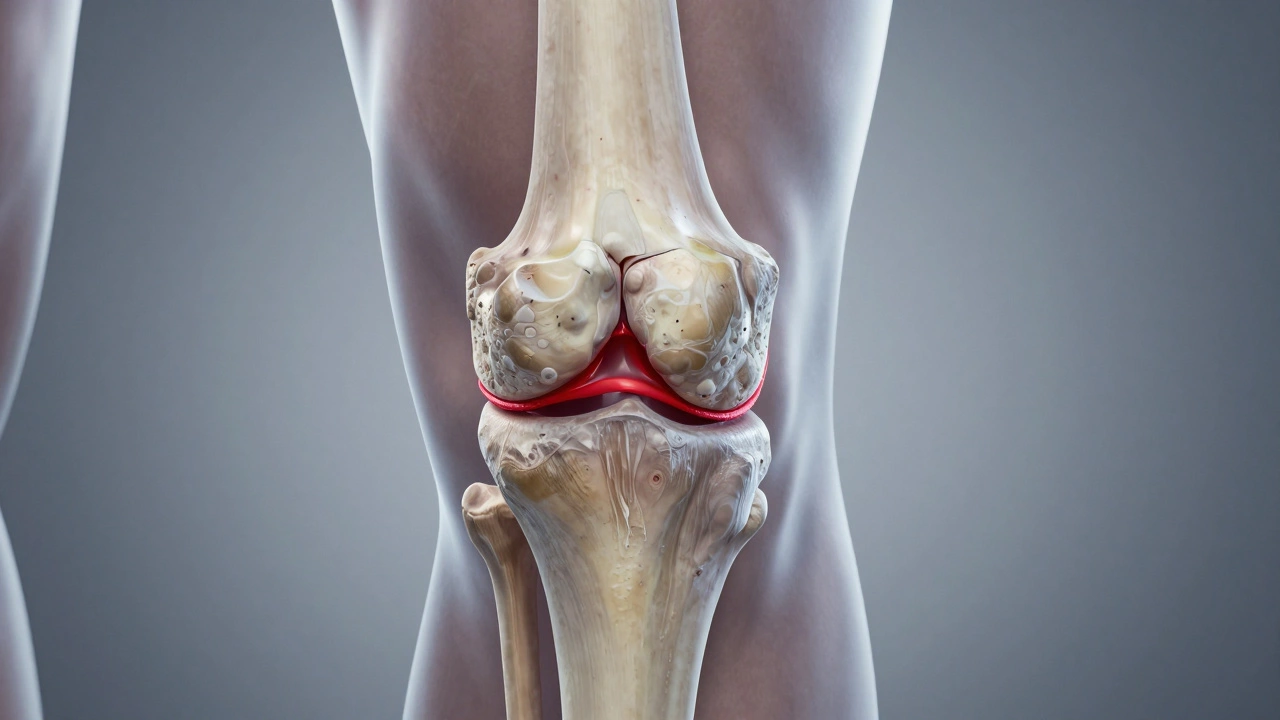
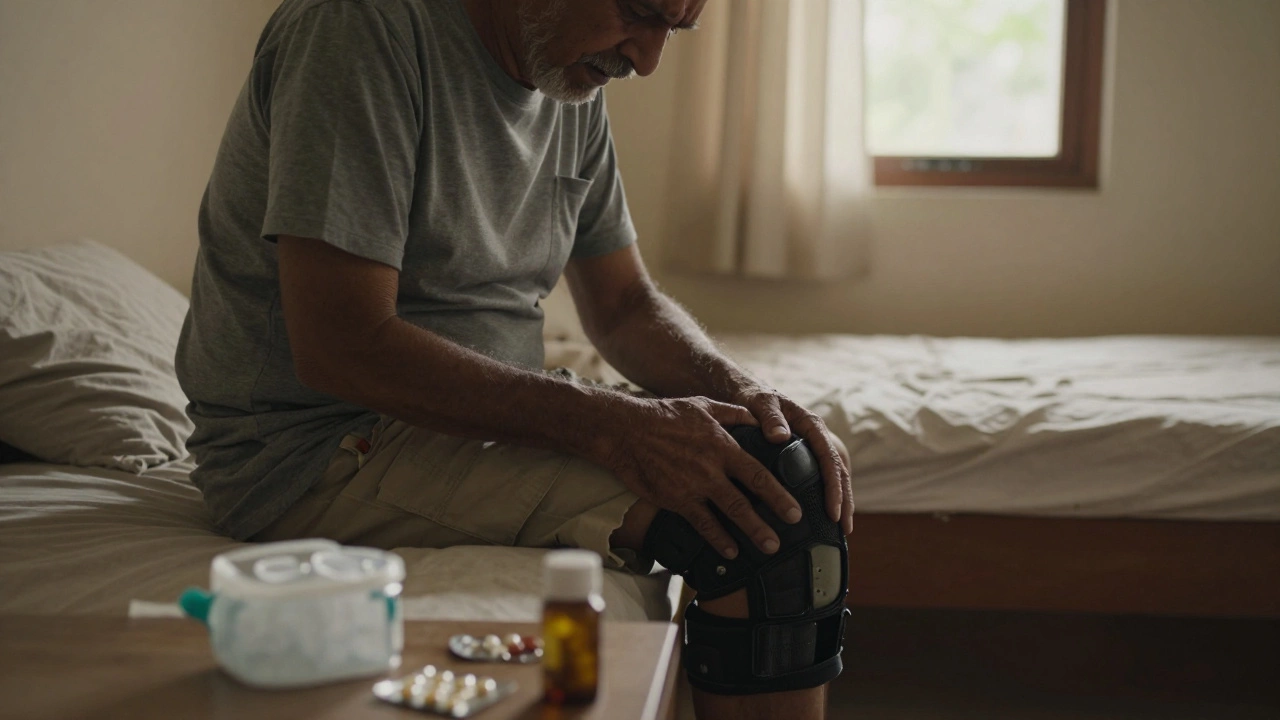
Imagine trying to walk down a flight of stairs, but every step feels like you are stepping on broken glass. You’ve tried the ice packs, the anti-inflammatory pills, and even the expensive knee braces. Nothing seems to touch the deep ache that wakes you up at 3 AM. This is the reality for millions of people living with advanced knee osteoarthritis, a condition where the protective cartilage in your joint wears away, leaving bone rubbing against bone. The question isn't just about how bad the X-ray looks. It’s about how much your life has shrunk because of that knee. Many patients wait too long, suffering through years of unnecessary pain, while others rush into surgery before giving conservative treatments a fair chance. So, exactly how bad does a knee have to be before it is replaced? The answer lies in a combination of structural damage, functional limitation, and failed non-surgical management.
The Three Pillars of Knee Replacement Decision-Making
Surgeons don’t operate based on a single metric. They look at a triad of factors: radiographic evidence, clinical symptoms, and quality of life impact. If you only have one of these, surgery is rarely recommended. You need all three to align. First, there must be clear structural damage. An MRI or X-ray will show significant loss of joint space. In medical terms, this is often called "bone-on-bone" arthritis. However, an image alone doesn’t dictate surgery. Some people have terrible-looking knees but zero pain. These individuals never need a replacement. Second, there must be persistent pain. We aren’t talking about the occasional twinge after a long hike. We mean pain that occurs during daily activities-walking to the mailbox, getting out of a car, or standing to cook dinner. The pain should be present even at rest or during the night, disrupting sleep patterns. Third, and perhaps most importantly, conservative treatments must have failed. This is the gatekeeper criterion. Insurance providers and ethical surgeons require proof that you have exhausted non-invasive options. This typically includes:- Physical therapy focusing on quadriceps strengthening
- Weight loss if applicable (every pound lost reduces 4 pounds of pressure on the knee)
- Anti-inflammatory medications (NSAIDs) used consistently
- Corticosteroid or hyaluronic acid injections
Understanding Functional Limitations: When Daily Life Stops Working
Let’s get specific about what "bad" means in practical terms. A knee is considered ready for replacement when it limits your ability to perform basic human functions. Ask yourself these questions:- Can you walk more than 10-15 minutes? If you need to stop frequently due to pain or stiffness, your mobility is compromised.
- Do you use assistive devices? If you rely on a cane, walker, or crutches to navigate your own home, your knee is failing its primary job: supporting weight.
- Is stair climbing impossible? Stairs require significant knee flexion and strength. If going up or down stairs causes sharp pain or fear of falling, this is a major red flag.
- Does the knee lock or give way? Mechanical symptoms like locking (where the knee gets stuck) or buckling (where it collapses under you) indicate advanced instability and meniscal damage.
The Role of Imaging: What Doctors Look For
While pain is subjective, imaging provides objective data. Here is what radiologists and orthopedic surgeons analyze:| Imaging Sign | Description | Clinical Significance |
|---|---|---|
| Joint Space Narrowing | Loss of space between femur and tibia | Indicates cartilage loss; severe narrowing suggests bone-on-bone contact |
| Osteophytes | Bone spurs forming around the joint | Body’s attempt to stabilize the joint; can limit range of motion |
| Subchondral Sclerosis | Densification of bone beneath cartilage | Sign of chronic stress and advanced degeneration |
| Deformity | Varus (bow-legged) or Valgus (knock-kneed) alignment | Uneven wear pattern; often requires complex surgical correction |
Age Considerations: Is It Too Early or Too Late?
There is a common myth that you must be over 60 to get a knee replacement. This is outdated. While younger patients face higher risks of needing a revision surgery later in life, modern implants are more durable than ever. Ceramic-on-polyethylene bearings and highly cross-linked polyethylenes can last 20-25 years or more. For patients under 50, surgeons are cautious. They will push harder for conservative measures because a revision surgery is more complex and carries higher risks. However, if a 45-year-old cannot work or care for their family due to knee pain, waiting until 60 is not a viable option. Quality of life now outweighs theoretical future risks. Conversely, age alone is not a barrier for older adults. Healthy 80-year-olds regularly undergo successful knee replacements. The key factor is biological age, not chronological age. Cardiac health, lung function, and nutritional status matter far more than the number of candles on your birthday cake.Risks of Waiting Too Long
Why not just live with the pain? Chronic pain rewires the nervous system. Over time, the brain becomes hypersensitive, making pain harder to manage even after surgery. Additionally, prolonged immobility leads to muscle atrophy, particularly in the quadriceps. Weak muscles make post-operative rehabilitation significantly harder. Other risks of delaying include:- Increased fall risk: Unstable knees lead to falls, which can cause hip fractures-a devastating complication in older adults.
- Cardiovascular decline: Lack of movement contributes to weight gain, hypertension, and diabetes.
- Mental health impact: Chronic pain is strongly linked to depression and anxiety.

The Surgical Procedure: What to Expect
Total Knee Arthroplasty (TKA) involves removing damaged cartilage and bone from the knee joint and replacing them with prosthetic components made of metal alloys, high-grade plastics, and polymers. The surgery typically takes 1-2 hours. Most patients stay in the hospital for 1-3 days. Modern techniques emphasize rapid recovery protocols:- Pain Management: Multi-modal analgesia using nerve blocks, local anesthetics, and oral medications to minimize opioid use.
- Early Mobilization: Patients are encouraged to stand and walk within 24 hours of surgery.
- Physical Therapy: Starts immediately to restore range of motion and strength.
Alternatives to Total Knee Replacement
If your arthritis is limited to one compartment of the knee, you might be a candidate for Partial Knee Replacement. This procedure preserves healthy bone and ligaments, leading to faster recovery and a more natural feeling knee. However, it is only suitable for select patients with isolated medial or lateral compartment disease. Another alternative is Knee Osteotomy, where the leg bone is cut and realigned to shift weight away from the damaged part of the knee. This is often recommended for younger, active patients with varus deformity. Arthroscopic debridement (cleaning out the knee) is generally not recommended for pure osteoarthritis, as studies show it provides little long-term benefit compared to physical therapy.How painful is knee replacement surgery?
Most patients report moderate pain in the first 48 hours, which is well-controlled with medication. Acute post-operative pain decreases significantly after the first week. Chronic pain before surgery is often worse than the acute pain after surgery. Modern pain management protocols, including nerve blocks, ensure most patients are comfortable enough to participate in physical therapy early on.
How long does a knee replacement last?
Current data shows that 90-95% of knee replacements last at least 15 years. With newer materials and improved surgical techniques, many implants last 20-25 years or more. Factors affecting longevity include patient weight, activity level, and adherence to post-op precautions.
Can I run after a knee replacement?
Generally, no. High-impact activities like running, jumping, and heavy lifting put excessive stress on the implant-bone interface, increasing the risk of loosening and wear. Low-impact activities such as walking, cycling, swimming, and elliptical training are encouraged and safe for most patients.
What are the main risks of knee replacement?
Common risks include infection (less than 1%), blood clots (DVT/PE), stiffness, and nerve injury. Serious complications are rare but possible. Surgeons mitigate these risks through pre-operative optimization, antibiotic prophylaxis, and blood thinners. Choosing an experienced surgeon and following post-op instructions closely minimizes these risks.
Do I need to lose weight before knee replacement?
Many surgeons recommend losing weight if your BMI is over 30-35. Excess weight increases surgical risks, including infection and blood clots, and puts more stress on the new implant, potentially shortening its lifespan. Even a modest weight loss of 10-15 pounds can significantly improve outcomes and reduce complications.