Orthopedic Care & Treatment Guide
Select the area of your body that is causing pain or issues below to see potential causes and standard treatment paths.
Select Affected Area
Note: This tool provides general information based on common medical practices. Always consult a qualified orthopedic specialist for diagnosis and personalized treatment plans.
Have you ever wondered why your knee clicks when you squat, or what exactly happens when a doctor tells you that your spine is "misaligned"? It’s easy to think of orthopedics as simply the branch of medicine for broken bones. But that’s just the tip of the iceberg. In reality, orthopedics takes care of your entire musculoskeletal system, which includes not only bones but also joints, ligaments, tendons, muscles, and nerves. Whether you are an athlete pushing your limits, a senior citizen managing arthritis, or someone recovering from a workplace injury, understanding what orthopedics covers can help you seek the right care faster.
The Scope of Orthopedic Care
Orthopedics is vast. It doesn’t just fix fractures; it aims to restore movement and function to the human body. When you visit an orthopedic specialist, they are looking at how all these parts work together. Think of your body like a complex machine. The bones are the frame, the joints are the hinges, the muscles are the engines, and the tendons and ligaments are the cables holding everything in place. If any part fails, the whole system suffers.
So, what do orthopedics take care of specifically? They manage conditions that affect mobility, cause chronic pain, or result from trauma. This includes everything from sports injuries like torn ACLs to degenerative diseases like osteoarthritis. They also handle congenital issues present from birth, such as clubfoot, and metabolic bone diseases like osteoporosis.
Bones: More Than Just Structure
When people hear "bone," they think of hardness and strength. But bones are living tissue. Orthopedics takes care of bone health by addressing fractures, infections, and growth abnormalities. A simple crack in a wrist might seem minor, but if not treated correctly, it can lead to long-term instability. Orthopedic surgeons use casts, splints, or sometimes surgery with plates and screws to ensure bones heal in the correct position.
Beyond breaks, orthopedists deal with bone tumors. While many are benign, some require aggressive treatment to prevent spread. They also manage osteoporosis, a condition where bones become porous and fragile. This is particularly common in older adults, especially women post-menopause. Preventing falls and treating compression fractures in the spine are key parts of this care.
Joints: The Hinges of Movement
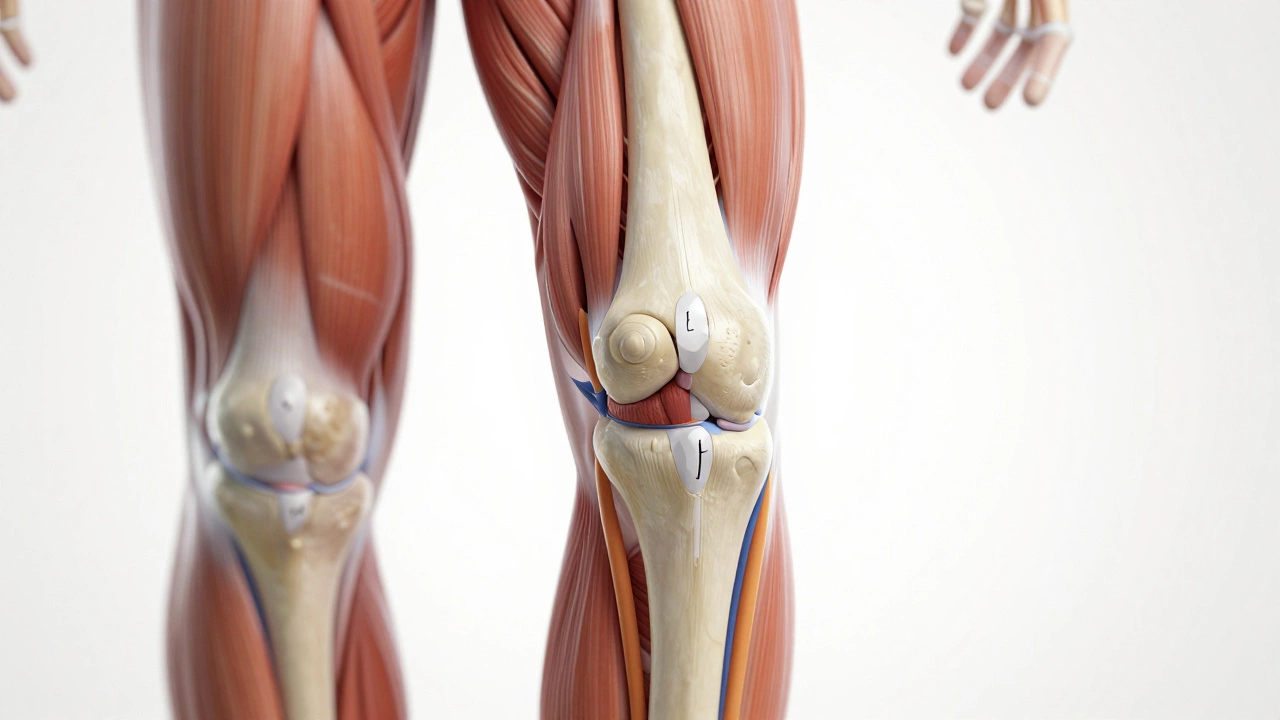
If bones are the frame, joints are where the action happens. Orthopedics takes care of major weight-bearing joints like the hips, knees, and shoulders, as well as smaller joints in the hands and feet. Joint problems often arise from wear and tear over time. Arthritis is the most common culprit here. It causes inflammation, pain, and stiffness, making daily tasks like climbing stairs or gripping a cup difficult.
In severe cases, joint replacement surgery becomes necessary. Hip and knee replacements have revolutionized quality of life for millions. These procedures involve removing damaged joint surfaces and replacing them with artificial implants made of metal, plastic, or ceramic. The goal isn't just to stop pain but to return you to an active lifestyle. You shouldn't have to choose between comfort and mobility.
Soft Tissues: Muscles, Tendons, and Ligaments
We often overlook soft tissues until they fail. A pulled muscle during a workout or a sprained ankle after a hike can sideline you for weeks. Orthopedics takes care of these injuries through rehabilitation and, in some cases, surgical repair. Rotator cuff tears in the shoulder are a classic example. These tears can happen suddenly due to trauma or gradually due to degeneration.
Tendons connect muscle to bone, while ligaments connect bone to bone. Both are crucial for stability. Tennis elbow, for instance, is a tendon issue caused by repetitive strain. Achilles tendon ruptures are another common problem, often affecting runners and jumpers. Treatment varies from rest and physical therapy to surgical reconstruction, depending on the severity and the patient's activity level.

The Spine: Your Central Axis
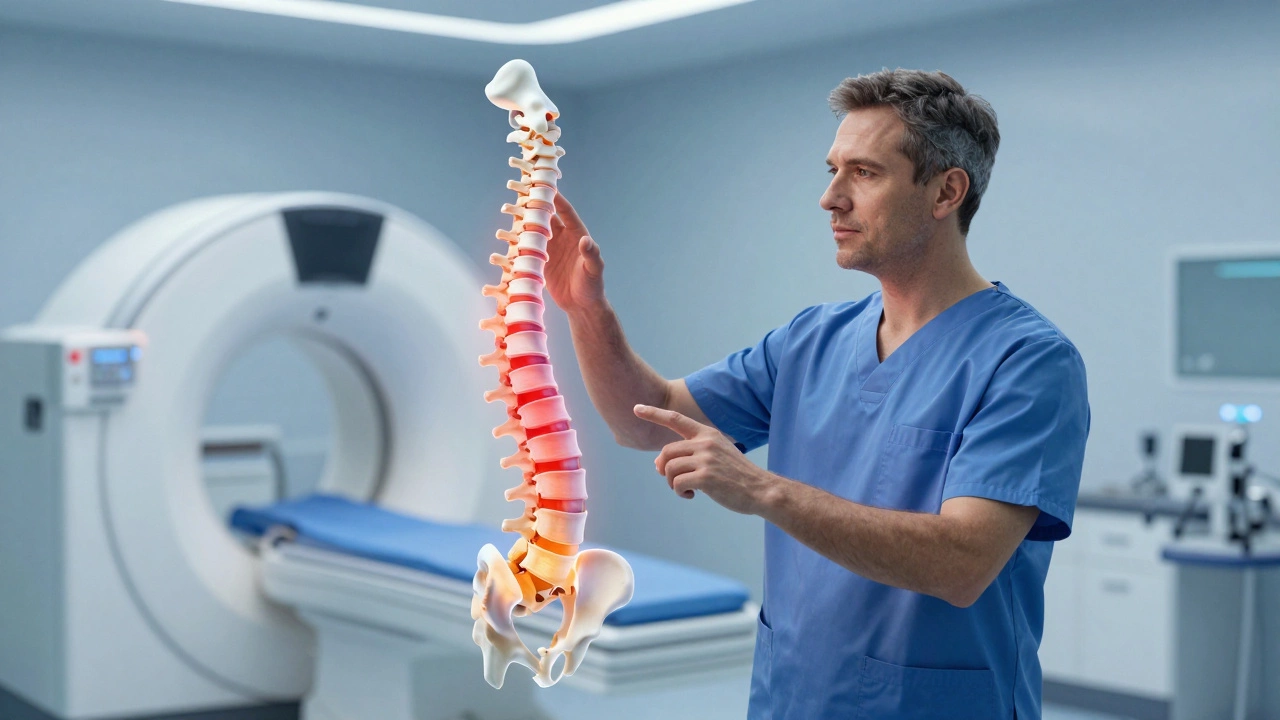
Your spine is more than just a stack of vertebrae. It houses your spinal cord, the main highway for nerve signals between your brain and body. Orthopedics takes care of spinal alignment, disc health, and nerve compression. Back pain is one of the most common reasons people seek medical help, and orthopedic specialists are often the first line of defense.
Conditions like herniated discs occur when the soft center of a disc pushes out, pressing on nearby nerves. This can cause sharp pain, numbness, or weakness that radiates down the legs (sciatica). Other issues include scoliosis, a sideways curvature of the spine, and kyphosis, an excessive rounding of the upper back. Treatments range from chiropractic adjustments and physical therapy to spinal fusion surgery for severe instability.
Sports Medicine: Performance and Recovery
Athletes push their bodies to the limit, and injuries are inevitable. Sports medicine, a sub-specialty of orthopedics, focuses on preventing, diagnosing, and treating injuries related to exercise and sports. What do orthopedics take care of in this context? Everything from concussions (in collaboration with neurologists) to stress fractures in runners.
ACL tears are rampant in soccer and basketball players. Reconstructing the ligament allows athletes to return to their sport, though recovery requires rigorous rehabilitation. Sports orthopedists also work on optimizing performance through biomechanical analysis, ensuring that movement patterns are efficient and safe. This proactive approach helps prevent injuries before they happen.
Pediatric Orthopedics: Growing Pains
Kids aren't just small adults. Their bones are still growing, which means they face unique challenges. Pediatric orthopedics takes care of conditions specific to children and adolescents. Slipped capital femoral epiphysis (SCFE), where the ball of the hip joint slips off the neck, is a serious condition that requires prompt attention to avoid permanent damage.
Other common issues include Osgood-Schlatter disease, causing knee pain in active teens, and Sever's disease, affecting the heel. Congenital defects like clubfoot or developmental dysplasia of the hip (DDH) are also managed here. Early intervention is critical because correcting alignment issues early ensures proper growth and prevents lifelong disability.
Diagnostic Tools and Treatment Options
To understand what's wrong, orthopedists rely on advanced imaging. X-rays show bone structure clearly, revealing fractures and arthritis. MRI scans provide detailed views of soft tissues like ligaments, tendons, and discs. CT scans offer cross-sectional images useful for complex fractures. Ultrasound is increasingly used for guiding injections and assessing superficial soft tissue injuries.
Treatment is rarely one-size-fits-all. Conservative approaches include physical therapy, medication, braces, and lifestyle changes. Surgery is considered when conservative methods fail or when there's acute trauma requiring immediate repair. Minimally invasive techniques, like arthroscopy, allow surgeons to operate through small incisions, reducing recovery time and scarring.
| Condition | Affected Area | Conservative Treatment | Surgical Option |
|---|---|---|---|
| Osteoarthritis | Knees, Hips | Physical Therapy, NSAIDs | Joint Replacement |
| Herniated Disc | Spine | Rest, Anti-inflammatories | Discectomy, Fusion |
| ACL Tear | Knee | Bracing, PT (for partial) | Ligament Reconstruction |
| Rotator Cuff Tear | Shoulder | Corticosteroid Injection | Arthroscopic Repair |
| Osteoporosis Fracture | Wrist, Hip, Spine | Bisphosphonates, Calcium | Internal Fixation |
Prevention and Lifestyle
Orthopedics isn't just about fixing problems; it's about preventing them. Maintaining strong bones and flexible joints starts with daily habits. Weight-bearing exercises like walking and running stimulate bone density. Strength training supports joints and reduces the risk of injury. Flexibility exercises, such as yoga or stretching, keep muscles and tendons supple.
Nutrition plays a huge role too. Calcium and Vitamin D are essential for bone health. Protein supports muscle repair and maintenance. Staying hydrated keeps cartilage lubricated. Avoiding smoking is crucial, as nicotine restricts blood flow to bones and slows healing. Listening to your body is equally important. Ignoring persistent pain can turn a minor issue into a major one.
When to See an Orthopedist
You don't need to wait for a break to see an orthopedic specialist. Seek help if you experience persistent joint pain, swelling, or stiffness that interferes with daily activities. Sudden loss of motion, inability to bear weight, or visible deformity requires immediate attention. Chronic back pain that doesn't improve with rest or over-the-counter meds should also be evaluated. Early diagnosis leads to better outcomes and simpler treatments.
Do orthopedics only treat broken bones?
No, orthopedics treats the entire musculoskeletal system. This includes joints, muscles, tendons, ligaments, nerves, and spine. While fracture care is a part of it, much of the focus is on restoring function and managing chronic conditions like arthritis.
What is the difference between an orthopedist and a rheumatologist?
An orthopedist focuses on mechanical issues and structural repairs, often using surgery. A rheumatologist specializes in autoimmune diseases that affect joints and connective tissues, primarily using medications and non-surgical management.
Can orthopedics help with chronic back pain?
Yes, orthopedic spine specialists diagnose and treat various causes of back pain, including herniated discs, spinal stenosis, and scoliosis. Treatment ranges from physical therapy and injections to surgical interventions if necessary.
Is joint replacement surgery painful?
While there is post-operative discomfort, modern pain management techniques make the process manageable. Most patients report significant relief from their pre-surgery pain within weeks, allowing them to resume normal activities.
How long does recovery take after orthopedic surgery?
Recovery time varies widely depending on the procedure. Minor surgeries like arthroscopy may take a few weeks, while major joint replacements can require several months for full recovery and rehabilitation.