
Cancer Survival Rate Calculator
Select Cancer Type
Key Risk Factors
These cancers share common challenges that contribute to poor survival rates:
- No early symptoms: Symptoms often appear only after cancer has spread
- No screening tests: No routine tests for early detection
- Aggressive biology: Fast spreading and treatment-resistant tumors
Early detection can dramatically improve survival rates - for example, pancreatic cancer survival jumps from 13% to over 60% if caught at early stage.
Survival Rate Analysis
Select a cancer type and stage to see survival statistics.
Some cancers are harder to beat than others. Even with modern medicine, survival rates for certain types remain stubbornly low. This isn’t because treatment doesn’t exist-it’s because these cancers are often found too late, spread quickly, or resist standard therapies. If you’re asking what cancers have poor survival, the answer isn’t just a list. It’s about understanding why these cancers are so deadly and what makes them different from others.
Pancreatic Cancer: The Silent Killer
Pancreatic cancer has one of the lowest five-year survival rates of any major cancer-around 13%. Most people aren’t diagnosed until the disease has already spread beyond the pancreas. Why? There’s no routine screening test, and early symptoms like back pain, indigestion, or unexplained weight loss are easily dismissed. By the time it’s found, the tumor has often wrapped around major blood vessels or spread to the liver. Even surgery, the only potential cure, isn’t an option for 80% of patients at diagnosis. The median survival after diagnosis is just 3 to 6 months for those with advanced disease. New treatments like targeted therapy and immunotherapy are helping a small group, but progress is slow.
Lung Cancer: Still the Top Cause of Cancer Death
Lung cancer kills more people than breast, prostate, and colorectal cancers combined. The five-year survival rate is about 23%, but that number hides a big gap. If caught early-before it spreads-the survival rate jumps to over 60%. The problem? Only 17% of cases are found at that stage. Most people don’t have symptoms until the cancer is advanced. Smoking is still the biggest risk, but non-smokers get it too, especially women and younger adults. Newer treatments like EGFR inhibitors and ALK blockers have improved outcomes for specific genetic subtypes, but for the majority, chemotherapy and radiation are still the main options. Low-dose CT scans for high-risk smokers have helped, but access remains limited in many parts of the world.
Esophageal Cancer: Hard to Detect, Hard to Treat
Esophageal cancer survival is grim, with a five-year rate of just 20%. It’s often diagnosed after it’s grown large enough to block swallowing or cause chest pain. By then, it’s usually in stage III or IV. The two main types-squamous cell and adenocarcinoma-behave differently, but both spread fast. Surgery is risky, and radiation doesn’t always shrink tumors enough to remove them. Chemotherapy helps, but responses are short-lived. Obesity and acid reflux are rising causes of adenocarcinoma, especially in Western countries. In places like India, where tobacco and hot tea are common, squamous cell is more frequent. There’s no screening program, and symptoms are mistaken for heartburn or GERD. That delay costs lives.
Liver Cancer: A Consequence of Chronic Damage
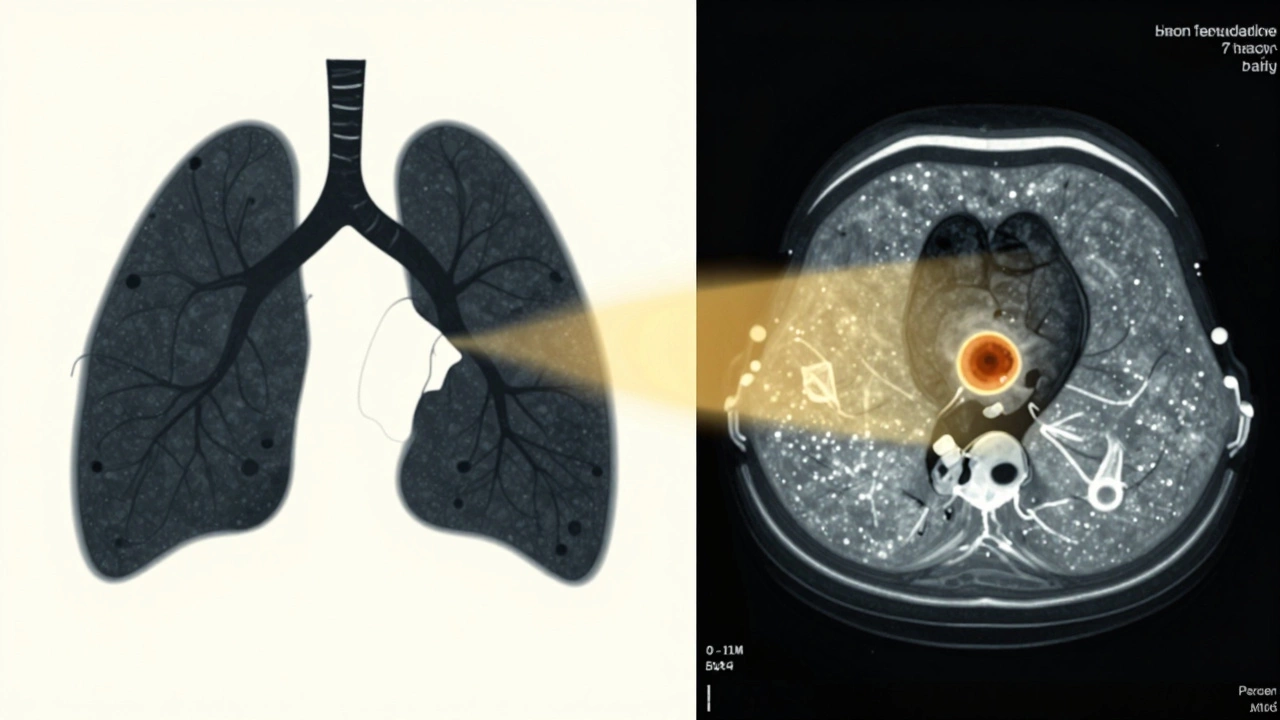
Liver cancer survival is poor, with a five-year rate of about 18%. It rarely develops on its own. Most cases grow on top of cirrhosis caused by hepatitis B or C, heavy alcohol use, or fatty liver disease. By the time a tumor is found, the liver is often already failing. Surgery or transplant is the only chance for cure-but only 10-20% of patients qualify. Many have other health problems from long-term liver damage. Ablation and embolization can help control growth, but they’re not cures. New drugs like lenvatinib and sorafenib extend life by a few months, but they don’t stop the disease. Vaccination against hepatitis B has reduced cases in some countries, but hepatitis C remains a silent driver in many regions.
Ovarian Cancer: The Whispering Disease
Ovarian cancer has a five-year survival rate of around 50%, but that number is misleading. If caught before it spreads outside the ovaries, survival jumps to over 90%. The problem? It’s called the "whispering disease" because symptoms-bloating, pelvic pain, feeling full fast-are vague and easily ignored. No reliable screening test exists. Most women are diagnosed after the cancer has spread to the abdomen or lymph nodes. Surgery to remove all visible tumors is the first step, followed by chemo. But recurrence is common. Even with platinum-based chemo, most tumors eventually become resistant. PARP inhibitors have helped some patients with BRCA mutations, but they’re not a cure. The lack of early detection tools is the biggest barrier.
Brain Cancer: Glioblastoma’s Harsh Reality
Glioblastoma, the most common and aggressive brain tumor in adults, has a five-year survival rate of less than 7%. It grows fast, spreads into healthy brain tissue, and can’t be fully removed by surgery. Even after surgery, radiation, and chemo, it almost always comes back. The tumor cells are smart-they hide from the immune system and develop resistance quickly. New treatments like tumor-treating fields (TTFields) have extended survival by a few months for some. But the median survival is still just 15 months. Children with brain tumors often do better, but adults rarely survive beyond two years. Research is focused on vaccines and gene therapies, but progress is painfully slow.

Why Do These Cancers Survive So Poorly?
There’s a pattern. These cancers share three dangerous traits:
- No early symptoms: You don’t feel them until they’re advanced.
- No screening tests: No blood test, no scan, no routine checkup catches them early.
- Aggressive biology: They spread fast, resist treatment, and come back stronger.
Compare that to breast or colon cancer, where mammograms and colonoscopies catch tumors before they spread. Those cancers have better survival because we find them early. For the cancers with poor survival, we’re still playing catch-up.
What’s Being Done?
Researchers are working on liquid biopsies-blood tests that detect cancer DNA before tumors show up on scans. Early trials for pancreatic and ovarian cancer show promise. Some hospitals now offer genetic testing to people with strong family histories. Others are testing vaccines that train the immune system to attack cancer cells before they grow. But these are still in development. For now, the best defense is awareness: if you have unexplained weight loss, persistent pain, or changes in digestion that last more than a few weeks, don’t wait. Push for answers.
Survival Isn’t Just a Number
Survival statistics are averages. They don’t tell you about the people who beat the odds. Some patients live five, ten, even fifteen years with these cancers. It often depends on age, overall health, access to care, and how the tumor responds to treatment. But numbers don’t lie about the challenge. These cancers are tough because they’re sneaky, fast, and hard to treat. The hope lies in earlier detection and smarter therapies. Until then, recognizing the warning signs might be the most powerful tool you have.
Which cancer has the lowest survival rate?
Pancreatic cancer currently has the lowest five-year survival rate among major cancers, at around 13%. This is largely because it rarely causes symptoms until it has spread, and there’s no reliable screening test for early detection. Most cases are diagnosed at an advanced stage, making treatment much less effective.
Can you survive stage 4 cancer?
Survival in stage 4 cancer depends heavily on the type. For some, like breast or prostate cancer, stage 4 doesn’t mean terminal-it means chronic, manageable disease with treatments that can extend life for years. But for cancers like pancreatic, liver, or glioblastoma, stage 4 often means survival measured in months, not years. Even with the best treatments, these cancers tend to resist therapy and spread aggressively. Some patients live longer than expected, but it’s rare.
Why is ovarian cancer so deadly?
Ovarian cancer is deadly because it rarely causes clear symptoms early on. Bloating, pelvic pain, and feeling full quickly are often mistaken for digestive issues. Without a screening test like a Pap smear, most cases aren’t caught until the cancer has spread to the abdomen or lymph nodes. Even after surgery and chemo, recurrence is common because the cancer cells often become resistant to treatment.
Are there any early warning signs for these cancers?
Yes-but they’re easy to ignore. For pancreatic cancer: unexplained weight loss, new-onset diabetes, or persistent back pain. For liver cancer: swelling in the abdomen, yellowing skin, or extreme fatigue. For ovarian cancer: bloating, pelvic pressure, and feeling full after small meals. For lung cancer: a cough that won’t go away, coughing up blood, or chest pain. If any of these last more than two weeks, see a doctor. Don’t wait for "classic" symptoms.
Can lifestyle changes improve survival for these cancers?
Lifestyle can help prevent some of these cancers, but once diagnosed, it won’t reverse them. Quitting smoking reduces lung cancer risk. Avoiding alcohol and managing hepatitis can lower liver cancer risk. Maintaining a healthy weight helps prevent ovarian and esophageal cancers. But once cancer develops, treatment is what matters. Still, good nutrition, exercise, and stress management can help you tolerate treatment better and improve quality of life.