Knee Replacement Delay Assessment Tool
This tool helps you assess your risk of waiting too long for knee replacement surgery based on symptoms described in the article.
Your Assessment Result
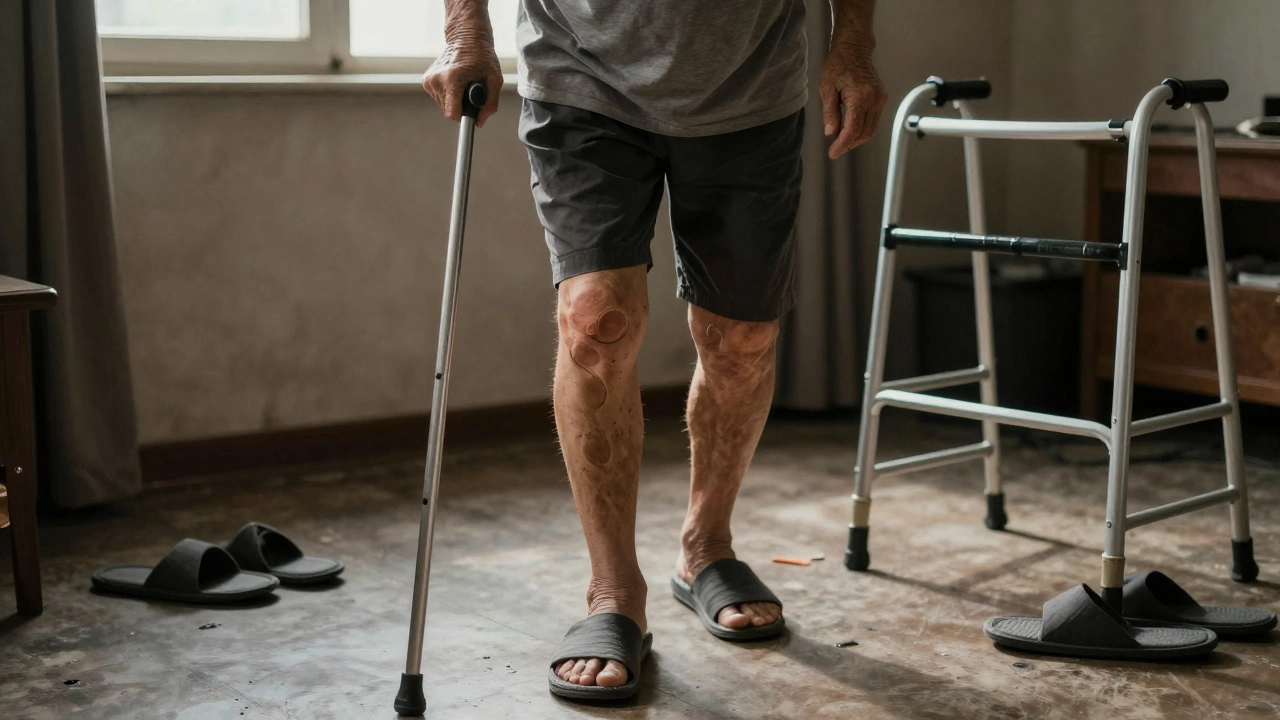
Waiting too long for a knee replacement isn’t just about discomfort-it’s about losing the ability to move freely, safely, and without pain. Many people put off the surgery because they’re afraid of the procedure, worried about recovery, or think they can tough it out. But every month you delay can make things harder, not easier.
Your knee keeps wearing down
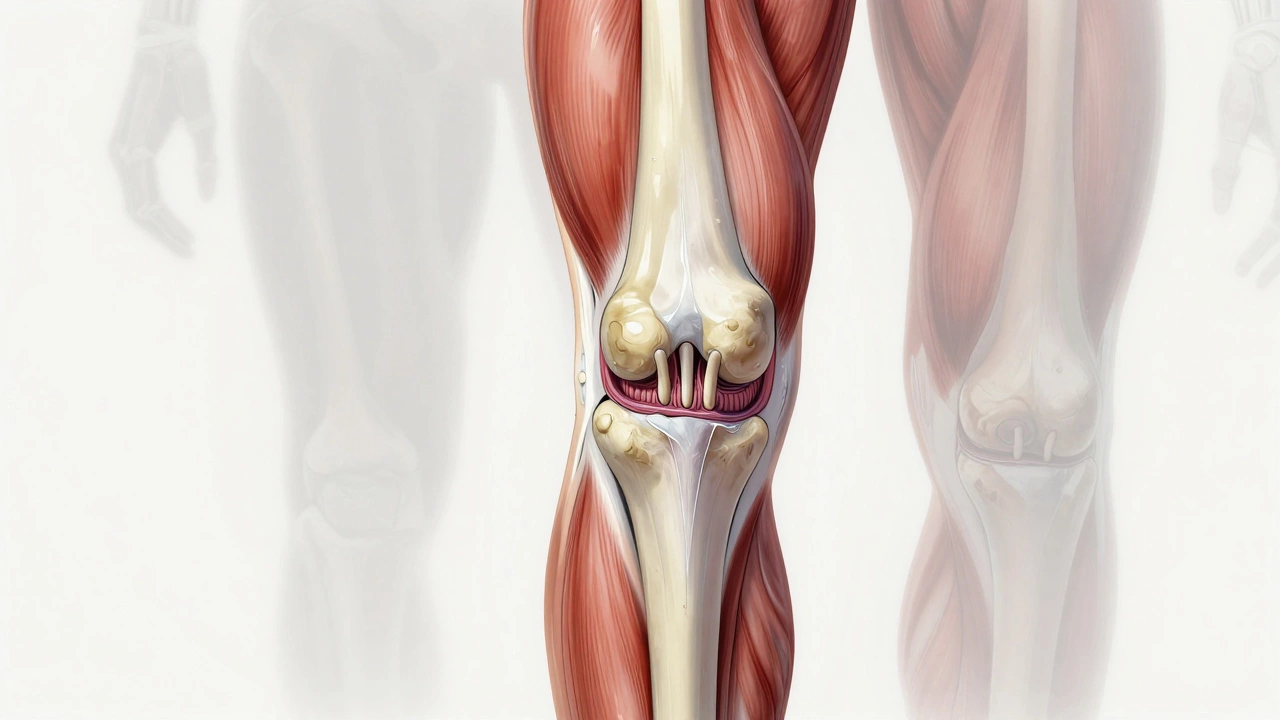
When osteoarthritis destroys the cartilage in your knee, bone starts rubbing against bone. That’s not just painful-it’s destructive. Over time, the joint surfaces become rough, uneven, and misshapen. The ligaments stretch, the meniscus tears, and bone spurs grow. By the time you finally decide to get surgery, your knee may have changed so much that even a skilled surgeon has less to work with. The implant won’t fit as well. Recovery takes longer. You might not regain full range of motion.
Muscles weaken, and mobility drops
When your knee hurts, you avoid using it. You stop walking. You skip stairs. You sit more. That’s when your quadriceps and hamstrings start to shrink. Muscle loss isn’t just about strength-it’s about stability. Without strong muscles around the knee, the joint is more unstable, even after replacement. Studies show patients who wait more than a year after symptoms become severe often need physical therapy for months just to walk normally again. Some never fully recover their balance.
Pain becomes constant, not occasional
At first, knee pain comes and goes. You feel it after walking a long way or standing too long. Then it starts in the morning. Then it’s there after sitting for 20 minutes. Eventually, it’s there all day, even at night. When pain becomes constant, it changes your brain. Chronic pain rewires how your nervous system works. That means even after the knee is replaced, your body might still send pain signals. This is called central sensitization. It’s not in your knee anymore-it’s in your nerves. And it’s harder to treat.
Other joints start to suffer
When one knee hurts, you shift your weight to the other leg. You lean to one side. You walk with a limp. That puts extra stress on your hip, your lower back, and your other knee. Over time, you can end up with problems in multiple joints. One knee replacement turns into two. Or you develop chronic lower back pain because your posture changed to avoid the bad knee. That’s not just more pain-it’s more surgery, more rehab, more cost.
Your quality of life shrinks
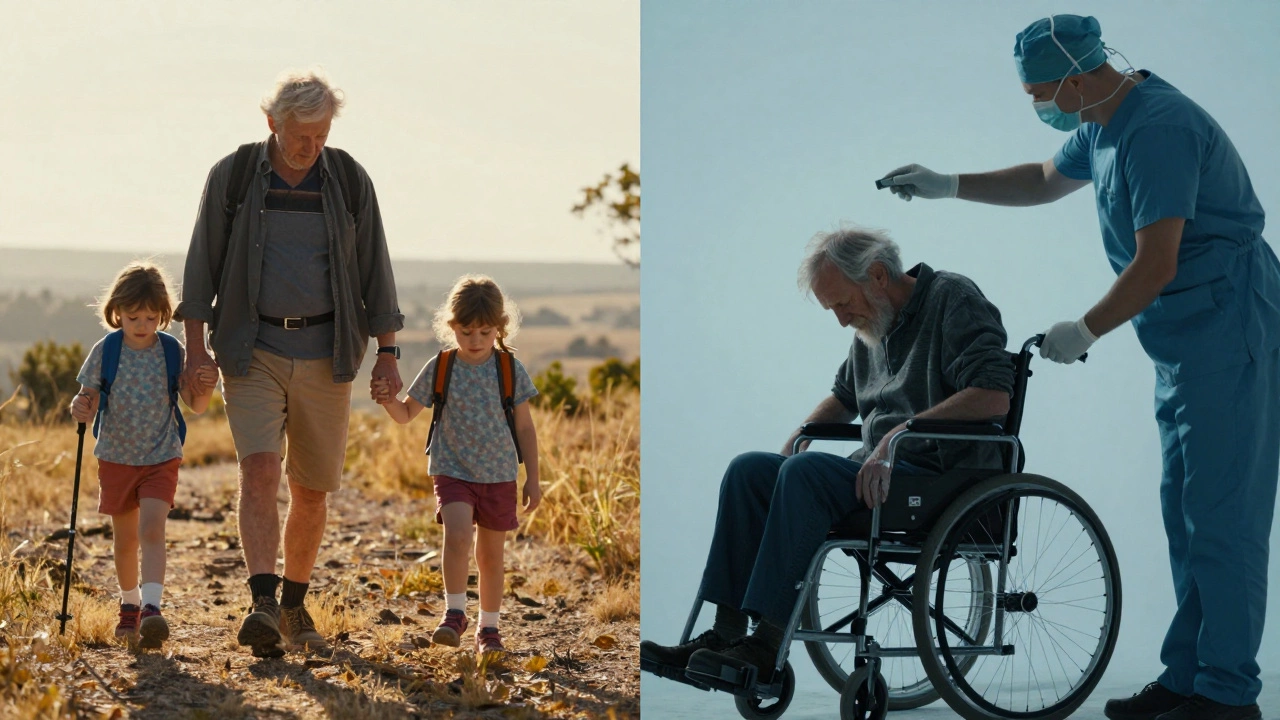
Think about the things you used to enjoy: walking in the park, playing with your grandkids, going to temple, shopping at the market. When your knee locks up or gives out, you stop doing them. You start relying on others. You feel guilty. You feel isolated. Depression and anxiety are common in people who delay knee replacement. A 2023 study in the Journal of Bone and Joint Surgery found that patients who waited more than 18 months after their symptoms became unbearable had 40% higher rates of depression than those who had surgery within six months.
Recovery gets harder, not easier
Younger, healthier patients recover faster. They bounce back in 6-8 weeks. But if you wait until you’re 75, overweight, diabetic, or have heart issues-problems that often get worse over time-your recovery slows down. You might need more help at home. You might need a longer hospital stay. You might not be able to go home right after surgery. The longer you wait, the more medical risks pile up.
Insurance and costs can change
Waiting too long can also mean higher out-of-pocket costs. If your knee damage becomes so severe that you need a complex revision surgery instead of a standard replacement, the cost can double. Some insurance plans require proof that you tried conservative treatments first. But if you’ve been taking painkillers for years, your doctor might question whether you truly exhausted options. That can delay approval. In India, private hospitals often charge more for complex cases. Public hospitals may have longer waiting lists for advanced cases.
What’s the right time to act?
There’s no magic number for when to get surgery. But here are signs you’re past the point of no return:
- You can’t walk more than 10 minutes without stopping
- You need a cane or walker just to get around the house
- Pain wakes you up at night
- You’ve stopped doing hobbies you love
- Over-the-counter painkillers don’t help anymore
- Your X-ray shows bone-on-bone contact
If three or more of these apply, it’s time to talk to an orthopedic surgeon-not next month, not after Diwali. Now.
What if you’re scared?
It’s normal to fear surgery. But modern knee replacements are one of the most successful operations in all of medicine. Over 95% of patients report major pain relief. Most go home in 2-3 days. Many walk without help within 4 weeks. The implants last 20-25 years. You’re not losing your knee-you’re getting it back.
What happens if you never get it done?
Some people live with severe knee arthritis for years. They manage with painkillers, braces, and injections. But here’s what that looks like in real life: reduced independence, falls, fractures, weight gain from inactivity, and eventually, being confined to a wheelchair. That’s not aging gracefully. That’s suffering unnecessarily.
Is it better to wait until the pain is unbearable before getting knee replacement?
No. Waiting until the pain is unbearable often means your joint has already suffered irreversible damage. Muscles are weak, movement is limited, and recovery becomes much harder. The goal isn’t to suffer through pain-it’s to restore function before the damage becomes too deep.
Can physical therapy delay the need for knee replacement?
Physical therapy can help manage symptoms and strengthen muscles around the knee, which may delay surgery for some people. But it can’t reverse bone-on-bone arthritis. If your X-ray shows no cartilage left, therapy won’t rebuild it. It’s a band-aid, not a cure. Use it to prepare for surgery-not to avoid it forever.
Does age matter when deciding on knee replacement?
Age alone doesn’t determine if you’re a candidate. Health matters more. A healthy 78-year-old with active lifestyle goals often recovers better than a sedentary 60-year-old with diabetes and obesity. Surgeons look at your overall fitness, not just your birth certificate.
Will I be able to walk normally after knee replacement?
Yes, most people walk without a limp within 6-8 weeks. Many return to walking, gardening, swimming, and even light hiking. Full recovery takes 3-6 months, but the pain relief is usually immediate. The key is sticking to your rehab plan. Skipping exercises is the #1 reason people don’t get full mobility back.
Are there alternatives to knee replacement for late-stage arthritis?
Options like cortisone shots, hyaluronic acid injections, or stem cell therapy may offer temporary relief, but none can restore a destroyed joint. For bone-on-bone arthritis, knee replacement is the only proven, long-term solution. Other treatments are stopgaps-they don’t change the outcome, just delay the inevitable.
Next steps if you’re considering surgery
Don’t wait for the pain to get worse. If you’re struggling with daily movement, book a consultation with an orthopedic surgeon. Bring your X-rays and a list of your symptoms. Ask: “Is my knee damage still treatable with replacement, or has it progressed too far?” Most surgeons will tell you honestly if you’re past the ideal window. But they can’t help if you never show up.
Waiting doesn’t make the problem go away. It just makes it harder to fix.