Metformin Dosing & Safety Checker
Patient Parameters
Target Daily Dose
-- mg
Expected HbA1c Drop
-- %
Based on your projected HbA1c, metformin alone might not be enough. Guidelines suggest adding a second agent.
- SGLT2 Inhibitors Heart/Kidney Protection
- GLP-1 Agonists Weight Loss Benefit
Enter your details to see the recommended Metformin strategy.
You just got your diagnosis. The doctor says you have type 2 diabetes, a condition where your body doesn't use insulin properly. Your mind races with questions: Do I need injections? Will I have to take pills forever? And most importantly, what is the very first medicine they will prescribe?
The answer is almost always the same across the globe, from Pune to New York. That first drug is Metformin. It is a biguanide medication that lowers blood glucose levels by decreasing hepatic glucose production and improving insulin sensitivity in peripheral tissues. It has been the gold standard for decades. But why this specific pill? Why not something newer or stronger right away?
Why Metformin Is the Gold Standard
Doctors don't pick the first drug just because it's cheap. They pick it because it works safely for the longest time. Metformin, originally derived from French lilac (Galega officinalis), has a unique way of handling blood sugar. Unlike older drugs like sulfonylureas, it does not force your pancreas to pump out more insulin. Instead, it tells your liver to stop dumping excess sugar into your bloodstream and helps your muscles absorb the sugar that is already there.
This mechanism matters because it avoids two major side effects common in other treatments: hypoglycemia (dangerously low blood sugar) and weight gain. In fact, many people lose a small amount of weight when they start metformin. For a disease often linked with obesity, that is a huge plus.
Here is the data behind the decision:
- Efficacy: It typically lowers HbA1c (average blood sugar over three months) by 1% to 1.5%.
- Safety: It has a lower risk of causing low blood sugar compared to insulin or sulfonylureas.
- Cardiovascular Benefit: Studies suggest it may protect heart health, which is crucial since diabetics are at higher risk for heart attacks.
- Cost: It is generic and inexpensive, making long-term adherence easier.
How Metformin Works in Your Body
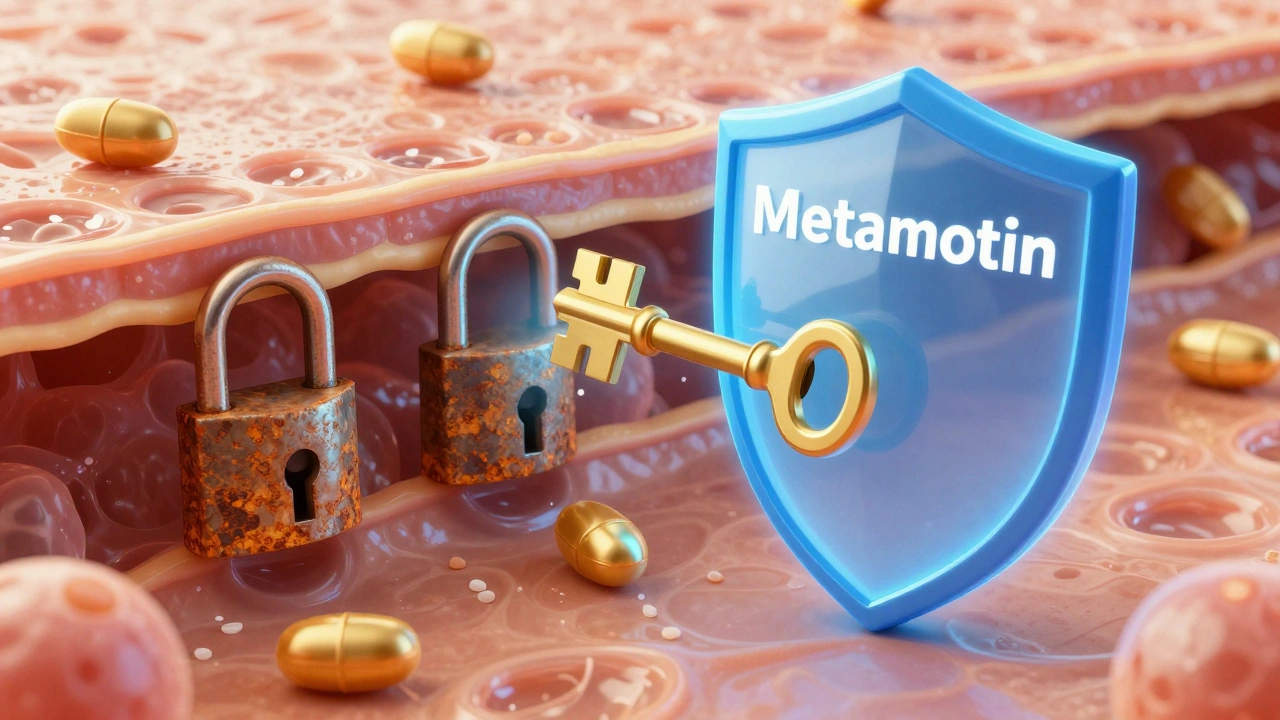
To understand why we start here, you need to see what happens inside your cells. Imagine your cells are houses and insulin is the key that opens the door to let sugar (energy) in. In type 2 diabetes, the locks are rusty-this is called insulin resistance. The key still exists, but it doesn't turn easily.
Metformin acts like an oil for those locks. It makes the cell membranes more sensitive to insulin. At the same time, it puts a brake on the liver. Normally, your liver stores sugar as glycogen and releases it when you are hungry. In diabetes, the liver gets confused and keeps releasing sugar even when you've eaten. Metformin stops this unnecessary release.
This dual action means your blood sugar stabilizes without spiking or crashing. It is a gentle, steady approach rather than a sledgehammer.
Starting the Medication: What to Expect
If your doctor prescribes metformin, do not expect to take the full dose on day one. That is a recipe for stomach trouble. Doctors usually start with a low dose, often 500 mg once a day with dinner. After a week or two, if your stomach handles it well, they increase the dose gradually. The target maintenance dose is usually between 1500 mg and 2000 mg per day, split into two doses.
The most common complaint is gastrointestinal upset. You might experience diarrhea, nausea, or bloating. This affects about 20-30% of users initially. Here is how to manage it:
- Take with food: Never take it on an empty stomach.
- Go slow: Let your body adjust to the increasing dose.
- Try Extended Release (ER): If immediate-release tablets bother you, ask your doctor about Metformin ER. It dissolves slowly, reducing stomach irritation significantly.
Most people find that these side effects fade after a few weeks. If they don't, your doctor might switch you to the ER version or add another medication.
When Metformin Isn't Enough
Diabetes is a progressive disease. Even with perfect lifestyle changes and metformin, your pancreas may produce less insulin over time. Guidelines now suggest that if your HbA1c remains above 7% after three months on metformin, or if you have high cardiovascular risk, doctors should add a second drug.
This is where the landscape has changed dramatically in recent years. We no longer just look at blood sugar numbers. We look at your heart and kidneys.
| Drug Class | Key Benefit | Side Effects | Best For |
|---|---|---|---|
| SGLT2 Inhibitors (e.g., Dapagliflozin) | Heart & Kidney protection, Weight loss | Genital yeast infections, UTIs | Patients with heart failure or kidney disease |
| GLP-1 Receptor Agonists (e.g., Semaglutide) | Significant weight loss, Cardiovascular benefit | Nausea, vomiting | Patients needing weight loss or with high CV risk |
| DPP-4 Inhibitors (e.g., Sitagliptin) | Weight neutral, Well-tolerated | Joint pain (rare) | Elderly patients or those intolerant to other drugs |
| Sulfonylureas (e.g., Glimepiride) | Cheap, Effective | Hypoglycemia, Weight gain | Budget-conscious patients without CV/Kidney issues |
Notice that Sulfonylureas, once the go-to second drug, are now falling out of favor due to weight gain and low blood sugar risks. SGLT2 inhibitors and GLP-1 agonists are rising stars because they protect organs beyond just controlling sugar.
Lifestyle: The Unsaid First Drug
Before you even swallow the first tablet, your doctor likely told you to eat better and move more. This isn't just polite advice; it is medical necessity. Metformin works best when paired with lifestyle changes. Without them, the drug has to fight harder against your diet.
In India, our diets are often rich in refined carbohydrates-white rice, naan, and sugary drinks. These spike blood sugar rapidly. Swapping white rice for brown rice or quinoa, adding fiber-rich vegetables, and cutting back on ghee can lower your HbA1c by nearly 1% on its own. Combine that with 30 minutes of brisk walking daily, and you reduce the amount of medication needed.
Think of metformin as a safety net, not a license to eat poorly. The net catches you when you slip, but it doesn't prevent the fall.

Who Should Avoid Metformin?
While metformin is safe for most, it is not for everyone. Your doctor will check your kidney function before prescribing it. If your eGFR (estimated glomerular filtration rate) is below 30 mL/min/1.73 m², metformin is generally contraindicated because it can lead to a rare but serious condition called lactic acidosis.
Other reasons to avoid or use caution include:
- Vitamin B12 Deficiency: Long-term use can lower B12 levels. If you feel numbness or fatigue, get your B12 checked. Supplementation can fix this.
- Alcohol Consumption: Heavy drinking increases the risk of lactic acidosis. Limit alcohol while on metformin.
- Contrast Dye Procedures: If you are having a CT scan with contrast dye, you may need to pause metformin for 48 hours afterward. Always inform radiologists you are on it.
The Future of Diabetes Treatment
We are moving towards personalized medicine. Soon, genetic testing might tell us exactly which drug will work best for your specific biology. However, for now, the guidelines remain clear: Start with metformin and lifestyle changes. Add agents based on comorbidities (heart, kidney, weight). Insulin is reserved for when oral medications fail or in cases of severe hyperglycemia at diagnosis.
Remember, diabetes management is a marathon, not a sprint. The first drug is just the starting block. Consistency, monitoring, and open communication with your healthcare provider are what keep you healthy.
Can I cure type 2 diabetes with metformin alone?
No, metformin manages diabetes but does not cure it. However, combined with significant weight loss and lifestyle changes, some people achieve remission, meaning their blood sugar levels stay normal without medication. This is possible but requires strict adherence to diet and exercise.
Does metformin cause hair loss?
Hair loss is not a direct side effect of metformin. However, if metformin causes Vitamin B12 deficiency, that could potentially affect hair health. Ensuring adequate B12 levels through diet or supplements prevents this issue.
Is metformin safe for long-term use?
Yes, metformin is considered safe for long-term use in patients with normal kidney function. Millions of people take it for decades. Regular monitoring of kidney function and Vitamin B12 levels is recommended to ensure continued safety.
What if I forget to take my metformin?
If you miss a dose, take it as soon as you remember unless it is close to your next scheduled dose. Do not double up on doses to make up for a missed one, as this increases the risk of stomach upset. Just resume your regular schedule.
Are there natural alternatives to metformin?
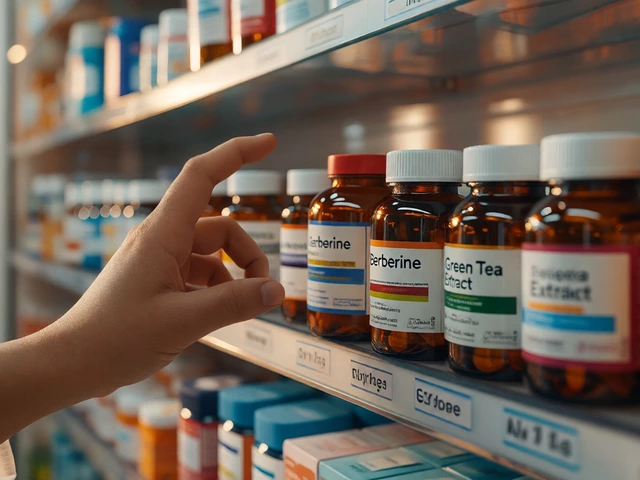
While some herbs like fenugreek or cinnamon may have mild effects on blood sugar, none match the efficacy and safety profile of metformin. Do not replace prescribed medication with herbal remedies without consulting your doctor, as this can lead to dangerous spikes in blood sugar.