Cardiac Surgery Complexity Explorer
Select a procedure below to analyze the specific technical challenges and clinical risks associated with these high-stakes interventions.
Click a procedure on the left to view detailed complexity analysis.
Heart Transplantation
LVAD Implantation
Neonatal Congenital Repair
Aortic Arch Replacement
Quick Takeaways
- Heart transplants and LVADs are among the most physically and technically demanding.
- Pediatric congenital repairs are considered a peak of surgical difficulty due to the size and fragility of the tissue.
- The "hardness" of a surgery is measured by the risk of mortality, the precision required, and the complexity of the anatomy.
- Modern technology, like robotic systems and 3D printing, is helping surgeons navigate these challenges.
The Heavy Hitters: Heart Transplants and LVADs
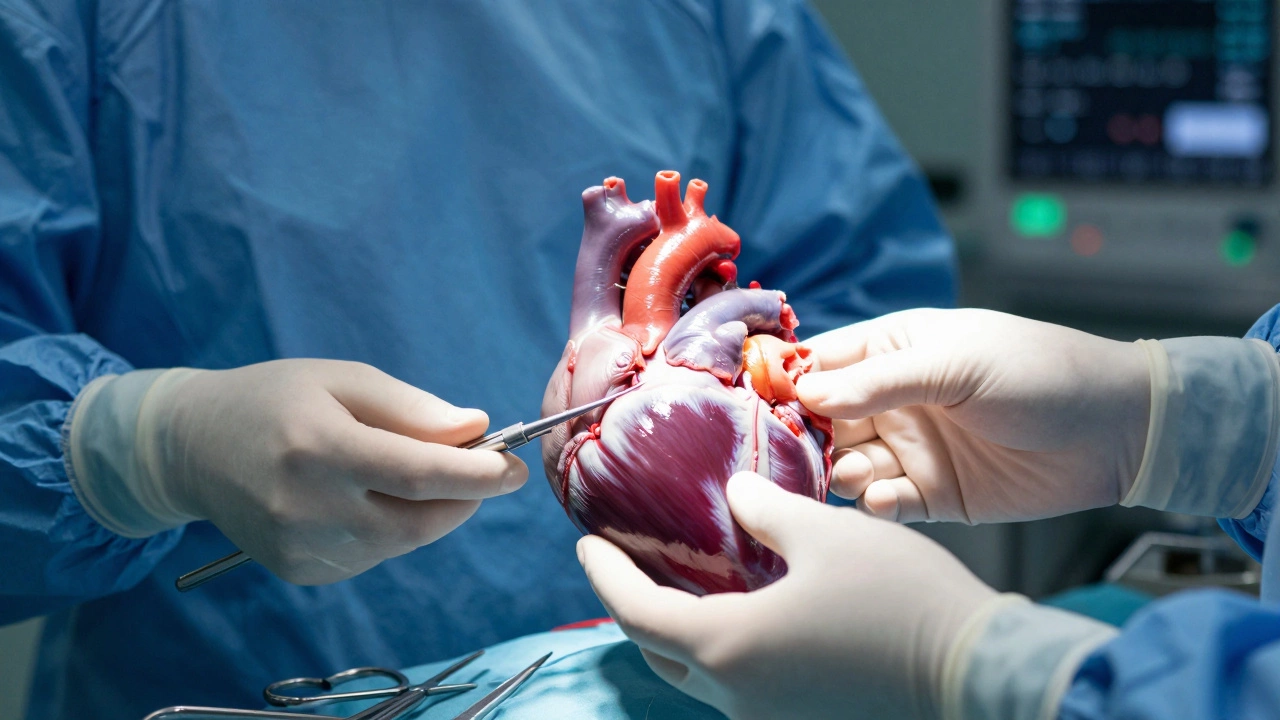
If we are talking about sheer pressure and logistical chaos, Heart Transplantation is at the top. It isn't just about the sewing; it's about the timing. You have a donor organ that is literally dying as soon as it leaves the body. The surgeon has to work against a ticking clock called ischemia time. If the heart isn't restarted within a few hours, the whole effort is wasted.
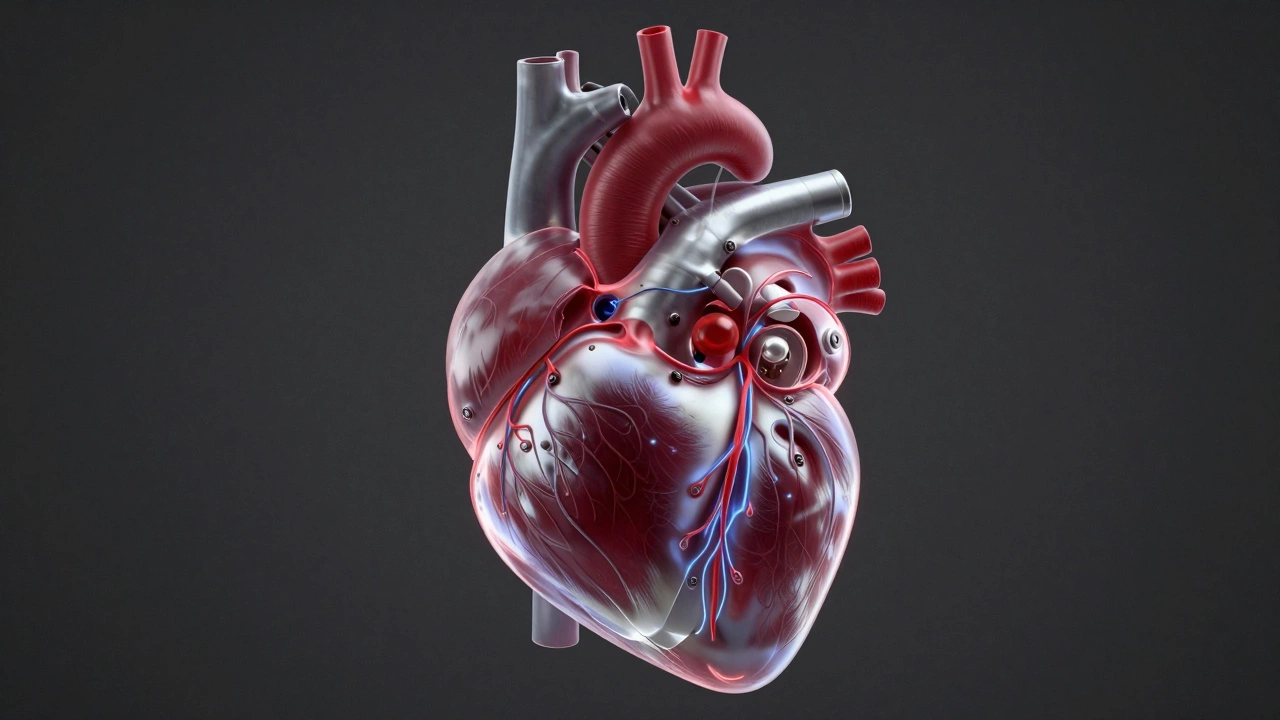
Then there is the LVAD (Left Ventricular Assist Device). Unlike a transplant, which replaces the organ, an LVAD is a mechanical pump implanted into a failing heart to help it push blood. It's an incredibly complex operation because the surgeon has to integrate a machine into living tissue. You're dealing with mechanical components that must stay sterile and functioning for years while attached to a battery pack outside the body. One leak in the connection between the pump and the aorta, and the patient can bleed out in minutes.
| Procedure | Main Difficulty | Primary Risk | Average Duration |
|---|---|---|---|
| Heart Transplant | Donor timing & rejection | Primary Graft Failure | 6-12 hours |
| LVAD Implantation | Mechanical integration | Stroke/Bleeding | 5-8 hours |
| Norfolk/Complex Congenital | Microscopic anatomy | Incomplete repair | 8-15 hours |
| Aortic Arch Replacement | Neurological protection | Stroke/Brain Damage | 6-10 hours |
The Nightmare of Congenital Heart Defects
While adult surgeries are hard, pediatric cardiology is a different beast. Fixing a "hole in the heart" sounds simple, but in a newborn, that hole is in a structure the size of a grape. Congenital Heart Surgery often involves the hardest cardiology surgery because the anatomy is completely wrong from birth. Imagine trying to reroute a highway system where the roads were built in the wrong direction.
Take the Norwood Procedure, for example. This is used for babies born with Hypoplastic Left Heart Syndrome, where the left side of the heart is too small to function. The surgeon has to basically rebuild the heart's plumbing in a baby that weighs only 6 or 7 pounds. They use a Heart-Lung Machine to keep the baby alive while the heart is stopped. The precision required is microscopic; a stitch that is slightly too loose or a vessel that is slightly pinched can lead to immediate failure. The stakes are higher here because these patients have their entire lives ahead of them, and often, this is just the first of three major open-heart surgeries they will need before age three.
The Danger Zone: Aortic Arch Reconstruction
The Aorta is the largest artery in the body, and the arch is where it bends and splits into vessels heading to the brain. When a patient has an aneurysm or a dissection in the arch, surgeons have to perform what is essentially a high-wire act. To replace a piece of the arch, the surgeon must stop the blood flow to the brain.
To prevent a massive stroke, they use a technique called deep hypothermic circulatory arrest. They literally cool the patient's body down to about 18°C (64°F) to put the brain in a state of suspended animation. While the patient is "frozen," the surgeon replaces the damaged section of the aorta. The difficulty here isn't just the stitching-it's the chemistry of keeping a human being alive while their core temperature is dangerously low and their brain has no blood flow. If the re-warming process isn't handled perfectly, the patient may wake up with severe neurological deficits.
Why These Surgeries Are Actually "Hard"
When surgeons talk about difficulty, they aren't just talking about how long they're on their feet. They are talking about three specific types of complexity:
- Anatomical Variability: No two hearts are shaped exactly the same. In complex cases, the surgeon might open the chest only to find that the veins are in the wrong place or the heart wall is thinner than the scans showed.
- Hemodynamic Stability: The heart is the only organ that cannot stop for long. Even when using a bypass machine, managing the blood pressure and oxygen levels in a fragile patient is a constant battle.
- The "Point of No Return": In many surgeries, if something goes wrong, you can try a different approach. In a heart transplant or a complex valve repair, once you cut a certain structure, there is no going back. You either fix it or the patient dies.
The Role of Modern Tech in Reducing Difficulty
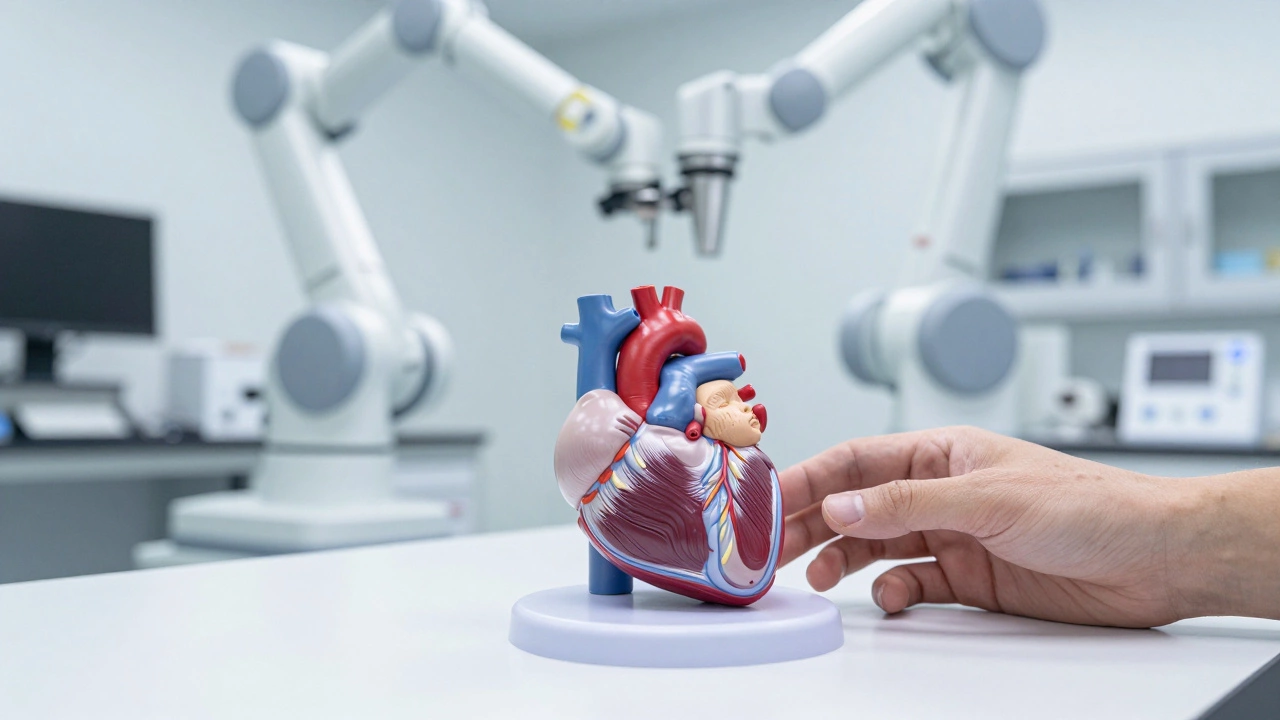
We are seeing a shift where some of the "hardest" surgeries are becoming safer thanks to new tools. Robotic Surgery (like the Da Vinci system) allows surgeons to operate through tiny holes with a level of precision that a human hand can't match. This is particularly helpful for Mitral Valve Repair, where the surgeon can see the valve in high-definition 3D and make movements that are filtered for tremors.
Additionally, 3D printing is changing the game for congenital repairs. Instead of guessing how a baby's heart is wired based on a 2D ultrasound, surgeons can now print a physical, 1:1 plastic model of that specific baby's heart. They can hold it in their hands, practice the cuts, and plan the rerouting before they ever touch the patient. This turns a "blind" operation into a calculated procedure.
Recovering from the Hardest Procedures
The surgery is only half the battle. The hardest surgeries often have the most brutal recoveries. A patient who has undergone a heart transplant isn't just healing from a wound; they are fighting their own immune system. The use of immunosuppressant drugs is a delicate balance-too little and the body rejects the heart; too much and the patient gets a fatal infection from a common cold.
For LVAD patients, the challenge is lifestyle. They have to carry a battery pack and a controller for the rest of their lives. The risk of blood clots is high, requiring lifelong anticoagulation therapy. The psychological toll of knowing your life depends on a machine and a power outlet is a burden that surgeons and nurses must manage alongside the physical healing.
Is a heart transplant the most difficult surgery?
In terms of logistics and urgency, yes. However, in terms of technical precision, neonatal congenital repairs (like the Norwood procedure) are often considered more difficult because the tissues are microscopic and the anatomy is malformed.
What is the risk of a heart-lung machine?
The heart-lung machine (cardiopulmonary bypass) takes over the work of the heart and lungs. The risks include systemic inflammation, blood clots, and "pump head," which is a term for cognitive decline after the brain has been deprived of normal blood flow patterns during the bypass.
Can robotic surgery replace traditional open-heart surgery?
Not entirely. Robotics are great for valve repairs and some bypasses, but for a full heart transplant or complex aortic arch reconstruction, the surgeon still needs full physical access to the chest to manage the organ and ensure a secure connection.
What happens if a heart transplant is rejected?
Rejection happens when the immune system attacks the new heart. This can be acute (happening soon after surgery) or chronic. It is treated with high-dose steroids and other immunosuppressants. If chronic rejection is too severe, the patient may need a second transplant or an LVAD.
Why is the Aortic Arch so dangerous to operate on?
Because the arch is the primary distribution point for blood to the brain. Any mistake here-a clot, a tear, or a failure in the cooling process-can lead to an immediate and permanent stroke.
Next Steps and Troubleshooting
If you or a loved one is facing one of these high-complexity procedures, the first step is to seek a Center of Excellence. Not every hospital can handle an LVAD or a neonatal repair. You want a facility that performs these specific operations at high volumes (usually 50+ per year) because volume correlates directly with better outcomes.
For those in recovery, the most important thing to track is the "red flags": uncontrolled fever, sudden weight gain (which indicates fluid buildup around the heart), or a change in the sound of an LVAD pump. If you see these, don't wait for a scheduled appointment; call the transplant or heart failure team immediately. These procedures change your life, but the follow-up care is what actually keeps you alive.