Knee Mistakes: Common Errors After Surgery and How to Avoid Them
When your knee replacement, a surgical procedure to replace damaged knee joint surfaces with artificial components is done right, it can change your life. But too many people make simple, avoidable knee mistakes, errors in recovery habits that slow healing or cause long-term problems after surgery—mistakes that turn a successful operation into a frustrating ordeal. These aren’t just about not doing enough physical therapy. They’re about doing the wrong things at the wrong time, ignoring warning signs, or believing myths that sound true but aren’t backed by science.
One of the biggest knee stiffness, reduced range of motion after knee surgery that limits walking, climbing stairs, or sitting comfortably problems comes from not moving early enough. People think rest equals healing, but in reality, your knee needs gentle, consistent motion to prevent scar tissue from locking it up. Studies show that patients who start walking the same day as surgery and do daily stretches recover mobility 40% faster than those who wait. Another common error? Pushing through sharp pain. Discomfort is normal. Burning, stabbing, or swelling that gets worse after activity? That’s your body screaming for you to stop. Ignoring it can lead to reinjury or permanent damage.
Then there’s the myth that once you’re off crutches, you’re done. Recovery isn’t a finish line—it’s a marathon. Many quit physical therapy too soon, thinking they’re fine because they can walk without pain. But strength and stability take months to rebuild. Skipping exercises means your muscles stay weak, your joint stays unstable, and you’re more likely to fall or need another surgery later. Even worse, some people turn to unproven knee replacement alternative, non-surgical treatments like stem cell injections or PRP that aim to repair cartilage instead of replacing the joint without knowing if they’re safe or effective. Some work for mild arthritis. Most don’t help after a full replacement. And using them instead of proven rehab? That’s a mistake with real consequences.
And let’s not forget the hidden habits: sleeping with a pillow under your knee (it keeps it bent and tightens the joint), wearing flip-flops (they don’t support your arch and throw off your gait), or skipping sunscreen on your scar (UV rays can darken and thicken it). These aren’t dramatic errors—but they add up. The difference between a knee that feels like new and one that still aches after a year? It’s not the surgeon. It’s what you did—or didn’t do—after the bandages came off.
You’ll find real stories here—from people who rushed back to the gym and ended up in physical therapy again, to those who stuck with simple daily moves and now hike without pain. We’ll show you what actually works, what’s a waste of time, and what could cost you your mobility. No fluff. No marketing. Just what your knee needs to heal right.
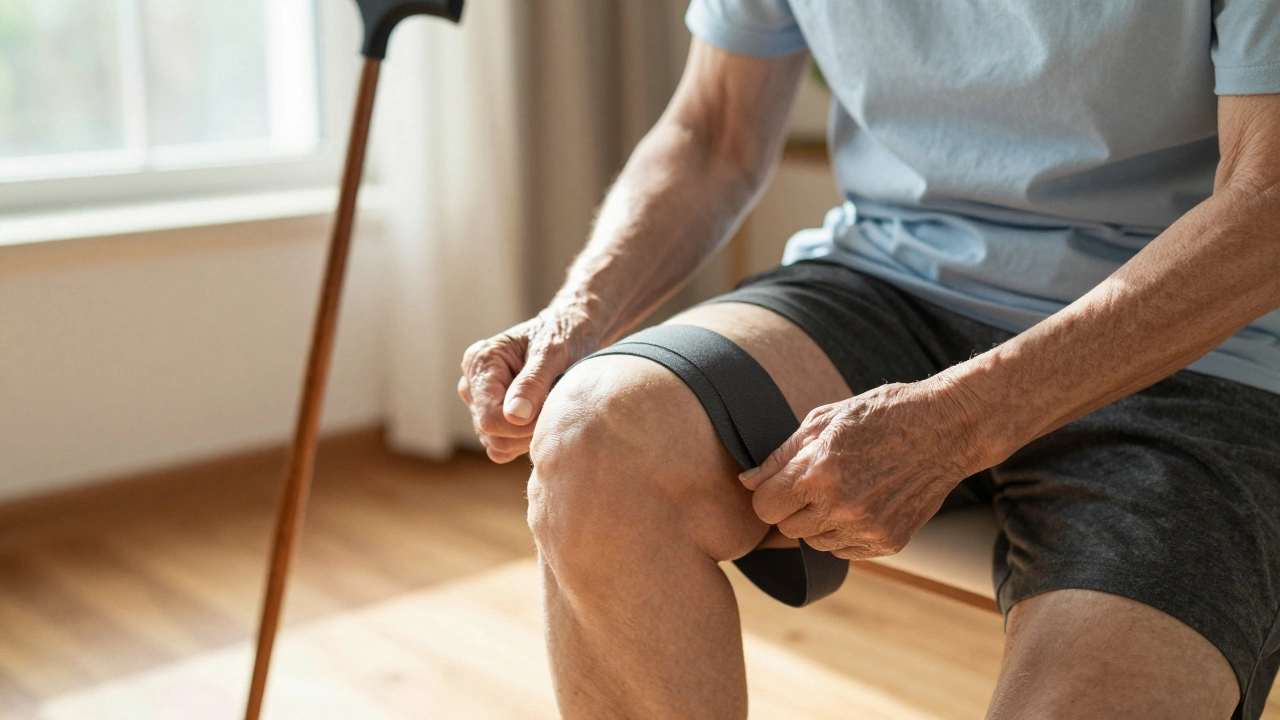
What Is the #1 Mistake That Makes Bad Knees Worse?
The #1 mistake that makes bad knees worse is avoiding movement. Rest may feel safe, but it weakens muscles, stiffens joints, and speeds up damage. Moving gently every day-even with pain-is the key to lasting knee health, whether you're preparing for or recovering from knee replacement.

What's the Rarest Mental Disorder?
Mar, 29 2025


Does Metformin Really Aid Weight Loss?
Feb, 12 2025