When someone hears the word "cancer," they often think of it as one thing. But cancer isn’t a single disease. It’s hundreds of them, each with its own behavior, location, and how it responds to treatment. Some types can be caught early and cured with surgery. Others spread before you even feel symptoms, and even the best treatments struggle to stop them. So which cancers are the hardest to survive?
Pancreatic cancer: The silent killer
Pancreatic cancer is the most lethal common cancer in the U.S. and many other countries. The five-year survival rate is just 13%. That means only 1 in 8 people diagnosed will live five years past their diagnosis. Why? Because it rarely shows symptoms until it’s already spread.
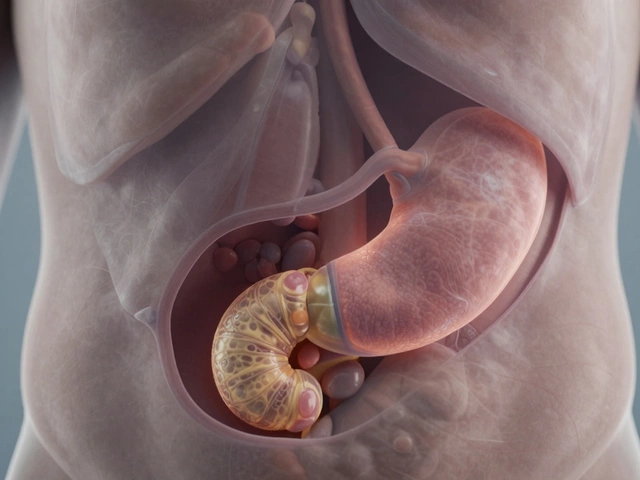
The pancreas sits deep in the abdomen, behind the stomach. Early-stage tumors don’t cause pain, nausea, or obvious signs. By the time people feel weight loss, jaundice, or back pain, the cancer has often reached the liver, nearby blood vessels, or lymph nodes. Surgery is the only chance for cure, but only 15-20% of patients are eligible at diagnosis. Even then, recurrence is common.
Chemotherapy and radiation help extend life, but rarely cure. Newer treatments like FOLFIRINOX and gemcitabine with nab-paclitaxel have improved survival by a few months for some patients. But the clock is always ticking. This cancer doesn’t wait.
Glioblastoma: The brain’s most aggressive enemy
If pancreatic cancer strikes from within, glioblastoma strikes from inside the mind. It’s the most aggressive type of brain tumor in adults. Median survival is only 12 to 18 months. Only about 5% of patients live five years or longer.
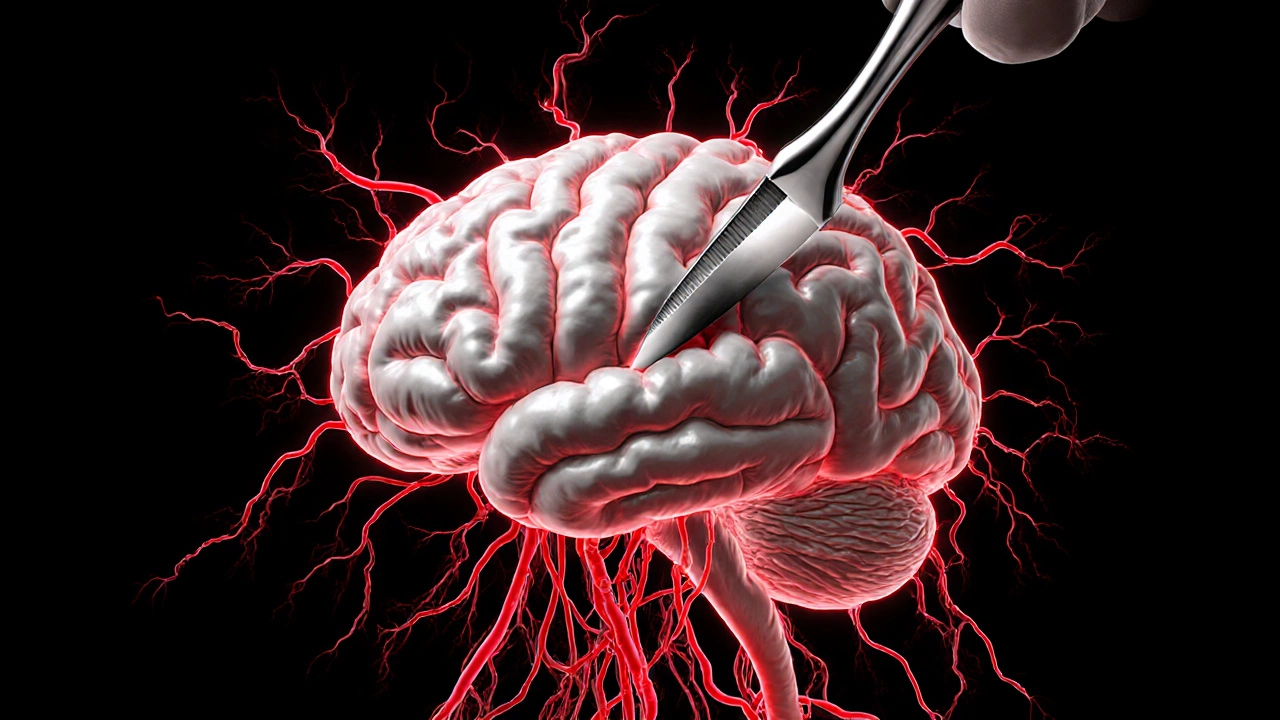
What makes glioblastoma so deadly? It grows fast, spreads like roots through brain tissue, and hides from the immune system. Surgeons can remove the visible tumor, but the cancer cells spread into healthy brain areas like ink in water. You can’t cut them all out without damaging speech, movement, or memory.
After surgery, patients get radiation and chemotherapy, usually temozolomide. Even with this, the tumor almost always comes back. New treatments like tumor-treating fields (TTFields), which use electric fields to disrupt cancer cell division, have added a few extra months for some. But there’s no long-term cure yet.
Lung cancer: Still the top cancer killer
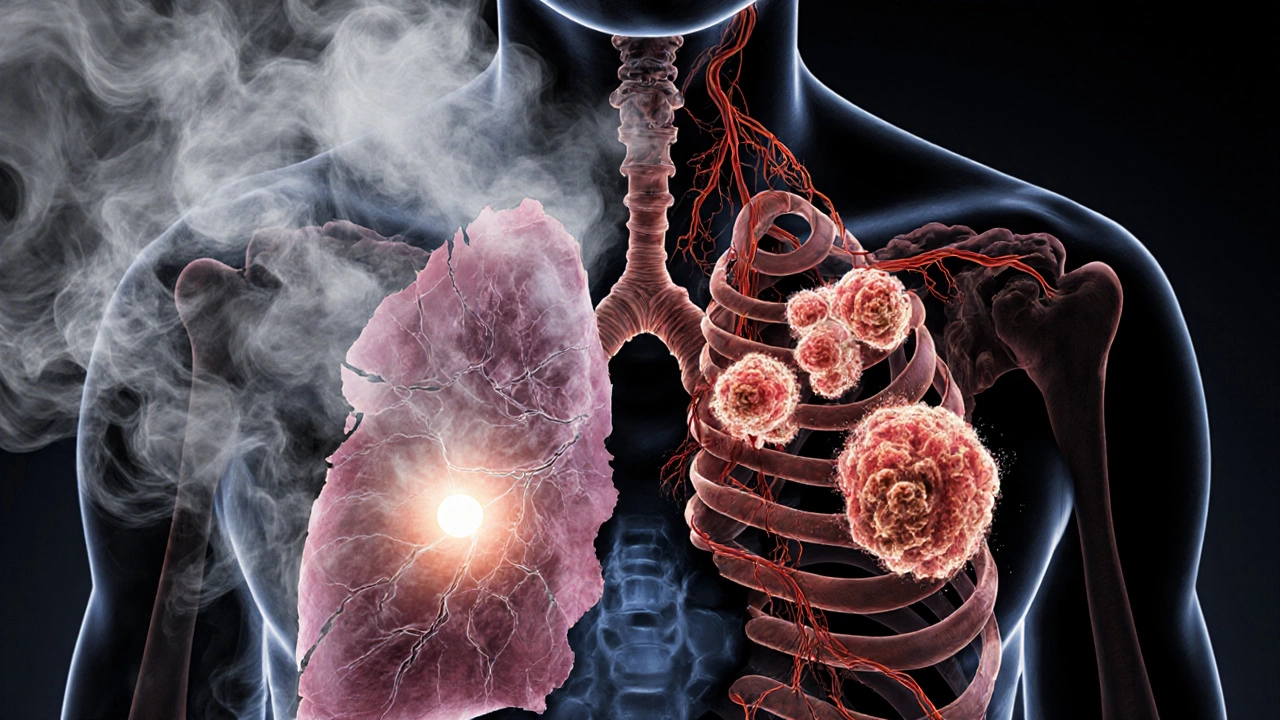
Lung cancer causes more deaths than breast, prostate, and colorectal cancers combined. It’s not the most common cancer, but it’s the deadliest. The five-year survival rate is 23% overall - but that number hides a brutal truth: if the cancer has spread outside the lungs, survival drops to 8%.
Small cell lung cancer (SCLC) is the most aggressive form. It grows fast, spreads early, and responds briefly to chemo and radiation. But it almost always returns, and when it does, it’s harder to treat. Non-small cell lung cancer (NSCLC) is more common and has better options now - targeted therapies and immunotherapy have helped some patients live years longer than before.
But here’s the catch: most lung cancers are found late. People don’t feel symptoms until the tumor is large or has spread. Smoking is the biggest risk, but non-smokers get it too, especially women and Asian populations. Early detection with low-dose CT scans saves lives - but only if you’re screened. Most people aren’t.
Esophageal and liver cancers: Hidden by stigma and silence
Esophageal cancer has a five-year survival rate of about 20%. Like pancreatic cancer, it’s often silent until advanced. Symptoms like trouble swallowing or chest pain come late. Alcohol, smoking, and acid reflux (GERD) raise the risk. Barrett’s esophagus - a condition from long-term reflux - can turn into cancer over years. But few people get checked unless they’re in high-risk groups.
Liver cancer is even worse. In the U.S., survival is around 20%. In many developing countries, it’s under 10%. Most cases come from chronic hepatitis B or C, or from long-term alcohol abuse. Cirrhosis scars the liver and makes it prone to tumors. By the time jaundice, swelling, or pain appear, the liver is already failing. Surgery or transplant is the only hope - but many patients aren’t candidates because the cancer is too advanced or the liver is too damaged.
Why some cancers are harder to beat
It’s not just about how fast the cancer grows. It’s about when it’s found, where it hides, and what tools we have to fight it.
- Early detection matters: Cancers like breast, colon, and skin have screening tests. Pancreatic, ovarian, and glioblastoma don’t.
- Location is critical: Tumors in the brain, pancreas, or lungs are hard to reach with surgery or radiation without damaging vital organs.
- Resistance is common: These cancers often evolve quickly. They mutate to survive chemo, radiation, and even immunotherapy.
- Immune system evasion: Glioblastoma and pancreatic cancer create a protective shield around themselves, blocking immune cells from attacking.
There’s no magic bullet. But research is moving faster than ever. Liquid biopsies that detect cancer DNA in blood, new immunotherapies, and AI-powered imaging are helping catch tumors earlier. Clinical trials are testing drugs that target specific mutations in pancreatic and brain cancers.
Survival isn’t just a number
When you hear "13% survival," it’s easy to think it’s a death sentence. But numbers don’t tell the whole story. Some people live years beyond the average. Others respond better than expected. Age, overall health, genetics, access to care, and even mindset play roles.
For example, younger patients with pancreatic cancer who get full treatment and have no other health issues sometimes survive three to five years. A small group of glioblastoma patients live more than a decade - often because they responded unusually well to treatment or had a less aggressive tumor subtype.
It’s not about giving up. It’s about knowing the reality so you can make smart choices - whether that’s aggressive treatment, palliative care, or joining a clinical trial.
What can you do?
You can’t control everything. But you can reduce your risk and catch problems early.
- If you smoke, quit. It’s the biggest preventable cause of lung, esophageal, and pancreatic cancers.
- Limit alcohol. It raises risk for liver, esophageal, and breast cancers.
- Manage acid reflux. Long-term GERD can lead to esophageal cancer.
- Get screened if you’re high-risk. If you have a family history of pancreatic cancer or carry BRCA mutations, talk to your doctor about imaging tests.
- Know the warning signs: unexplained weight loss, persistent pain, jaundice, trouble swallowing, new neurological symptoms like seizures or memory loss.
Survival rates are improving slowly. Ten years ago, pancreatic cancer survival was under 10%. Now it’s 13%. That’s progress. But we need more. More research. More funding. More awareness.
Which cancer has the lowest survival rate?
Pancreatic cancer has the lowest five-year survival rate among common cancers, at around 13%. Glioblastoma, a type of brain cancer, has a similar survival rate, with only about 5% of patients living five years or longer. Both are hard to detect early and resistant to treatment.
Is pancreatic cancer always fatal?
No, not always. While most cases are advanced at diagnosis, about 15-20% of patients are eligible for surgery when caught early. A small number of these patients live five years or more. New treatments are slowly improving outcomes, and some patients respond unusually well to chemotherapy or clinical trials.
Can you survive glioblastoma?
Survival is rare, but possible. Most patients live 12 to 18 months after diagnosis. About 5% live five years or longer. Those who do often have a less aggressive tumor subtype, respond well to tumor-treating fields or immunotherapy, or are younger and healthier at diagnosis. Research is ongoing to improve these odds.
Why is lung cancer so deadly even though it’s treatable?
Lung cancer is deadly because it often spreads before symptoms appear. Only about 20% of cases are caught early. Once it moves beyond the lungs, survival drops sharply. While targeted therapies and immunotherapy have helped some patients live longer, many still develop resistance. Screening with low-dose CT scans saves lives - but only if done regularly in high-risk groups.
Are there any new treatments for the hardest cancers?
Yes. For pancreatic cancer, drugs like FOLFIRINOX and newer targeted therapies based on genetic testing are helping. For glioblastoma, tumor-treating fields (TTFields) are now standard care and extend survival by several months. Immunotherapy is being tested in both cancers, and liquid biopsies may soon allow earlier detection. Clinical trials are the best path for many patients today.
What’s next?
If you or someone you know is facing one of these cancers, don’t rely on statistics alone. Talk to an oncologist. Ask about genetic testing. Ask about clinical trials. Ask what the goal of treatment is - to cure, to control, or to comfort.
Survival isn’t just about living longer. It’s about living well. And that’s something every patient deserves to fight for - no matter how hard the odds.