
Personalized Supplement Recommendation Tool
Select Your Lifestyle Profile
Your Recommendations
Select your profile options and click "Analyze My Needs" to see which supplements address your specific lifestyle gaps.
You walk down the aisle of a health store or scroll through an online shop, and you see hundreds of bottles. Labels promise energy, longevity, muscle growth, and better sleep. You want to know: what is the number 1 best supplement? It’s a fair question. But here is the hard truth: there is no single magic pill that works for everyone. If there were, every doctor would prescribe it, and insurance companies would be out of business.
The "best" supplement depends entirely on your body’s specific needs, your diet, your lifestyle, and even where you live. For someone in Pune working indoors all day, the answer is different from a marathon runner in London or a new parent in New York. However, scientific consensus points to a few contenders that address widespread deficiencies and offer broad health benefits. Let’s cut through the marketing noise and look at the evidence.
The Real Contenders for the Top Spot
When experts talk about essential supplements, they aren’t talking about exotic powders or trendy nootropics. They are talking about nutrients that modern life makes difficult to get enough of. We’ve moved away from traditional diets, we spend less time in the sun, and our food supply has changed. This gap between what we need and what we eat is where supplements come in.
Three supplements consistently rise to the top in clinical studies and medical recommendations: Vitamin D3, Omega-3 Fatty Acids, and Magnesium. Each plays a critical role in bodily function, and each addresses a common deficiency affecting billions of people worldwide.
Vitamin D3: The Sunshine Hormone
If I had to pick one supplement that deserves the title of "number 1" for the general population, it would be Vitamin D3. Vitamin D3 (cholecalciferol) is a fat-soluble vitamin that acts like a hormone in the body, regulating calcium absorption, immune function, and inflammation.
Why is it so important? Because most of us don’t get enough. A massive study published in the American Journal of Clinical Nutrition found that nearly 50% of adults globally have insufficient levels of Vitamin D. In cities with high pollution or for people who work indoors behind glass windows, this number jumps even higher. Your skin produces Vitamin D when exposed to UVB rays from the sun, but sunscreen, clothing, and latitude can block this process.
Low Vitamin D isn’t just about weak bones. It’s linked to a higher risk of cardiovascular disease, depression, and frequent infections. Supplementing with 1,000 to 4,000 IU of Vitamin D3 daily can bring levels back to a healthy range for most people. It’s cheap, safe, and effective. That’s why it often takes the crown.
Omega-3 Fatty Acids: The Heart and Brain Protector
Next in line is Omega-3 Fatty Acids, specifically EPA and DHA found in fish oil. Omega-3s are polyunsaturated fats that reduce inflammation, support heart health, and are crucial for brain development and function.
Most of us eat too much Omega-6 (found in vegetable oils) and not enough Omega-3. This imbalance creates chronic low-grade inflammation in the body, which is a root cause of many diseases, including arthritis and heart disease. Unless you eat fatty fish like salmon, mackerel, or sardines two to three times a week, you’re likely deficient.
Research shows that high-quality fish oil supplements can lower triglycerides, reduce blood pressure slightly, and decrease the risk of arrhythmias. For brain health, DHA is a major structural component of the brain cortex. As we age, maintaining adequate Omega-3 levels may help protect against cognitive decline. When choosing a supplement, look for third-party testing to ensure purity from heavy metals like mercury.
Magnesium: The Missing Link in Modern Diets
The third contender is Magnesium. Magnesium is a mineral involved in over 300 enzymatic reactions in the body, including protein synthesis, muscle and nerve function, and blood glucose control.
Modern farming practices have depleted soil quality, meaning fruits and vegetables today contain less magnesium than they did fifty years ago. Add to that the fact that processed foods are low in this mineral, and you have a recipe for deficiency. Symptoms of low magnesium include muscle cramps, anxiety, insomnia, and headaches.
Not all magnesium supplements are created equal. Magnesium oxide, commonly found in cheap multivitamins, has poor absorption. Instead, look for magnesium glycinate or magnesium citrate. Glycinate is gentle on the stomach and great for sleep and anxiety, while citrate is more effective for constipation. For many people, adding 200-400 mg of magnesium before bed transforms their sleep quality.
Comparing the Top Supplements
| Supplement | Primary Benefit | Best For | Recommended Form |
|---|---|---|---|
| Vitamin D3 | Immune support, bone health, mood regulation | Office workers, older adults, those with limited sun exposure | D3 (Cholecalciferol) with K2 for absorption |
| Omega-3 Fish Oil | Heart health, brain function, reducing inflammation | People who don't eat fatty fish, those with high triglycerides | Triglyceride form with high EPA/DHA ratio |
| Magnesium | Sleep quality, muscle relaxation, stress reduction | Insomniacs, athletes, people with high stress | Glycinate or Citrate (avoid Oxide) |
| Probiotics | Gut health, digestion, immune modulation | Those with digestive issues, after antibiotic use | Multi-strain with high CFU count |
Who Needs What? Matching Supplements to Your Lifestyle
Finding the right supplement isn’t about guessing; it’s about identifying gaps in your life. Here is how to match these top contenders to your specific situation.
- The Indoor Worker: If you sit under fluorescent lights all day, your Vitamin D levels are likely low. Prioritize Vitamin D3. Consider pairing it with Vitamin K2 to ensure calcium goes to your bones, not your arteries.
- The Stressed Professional: High cortisol levels drain your magnesium stores. If you feel wired but tired, or struggle to fall asleep, magnesium glycinate is your best friend. It calms the nervous system without making you groggy.
- The Plant-Based Eater: Vegans and vegetarians often miss out on Omega-3s because they don’t eat fish. Look for algae-based Omega-3 supplements, which provide DHA and EPA directly from the source.
- The Aging Adult: As we age, our ability to absorb nutrients declines. Protein powder (whey or plant-based) becomes important to prevent sarcopenia (muscle loss). Calcium and Vitamin D become non-negotiable for bone density.
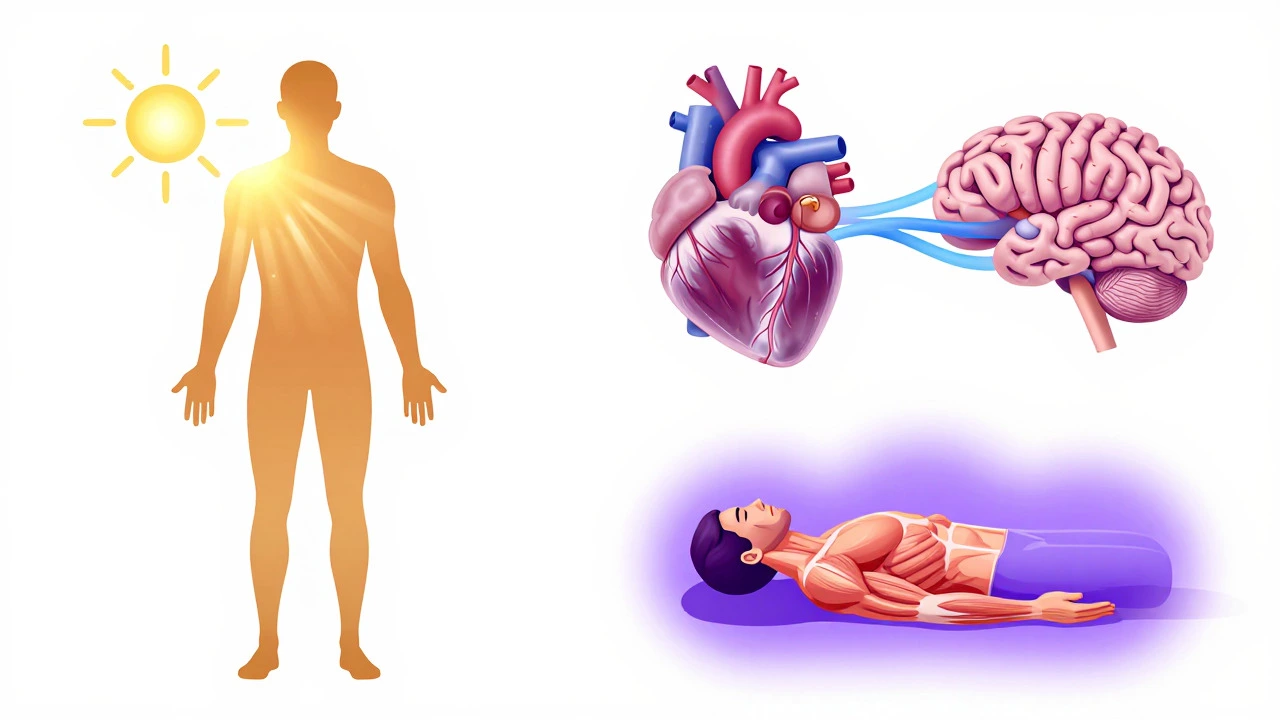
The Role of Herbal Supplements
While vitamins and minerals address nutritional gaps, herbal supplements target specific symptoms or conditions. In regions like India, Ayurvedic herbs have been used for thousands of years. Today, science is validating many of these traditional uses.
Ashwagandha is one of the most popular adaptogens. Ashwagandha is an herb used in Ayurveda to help the body manage stress, lower cortisol levels, and improve energy. Studies show it can significantly reduce stress and anxiety scores. It’s not a cure-all, but for people dealing with chronic stress, it offers tangible relief.
Another notable mention is Turmeric (Curcumin). Curcumin, the active compound in turmeric, is a potent anti-inflammatory. However, it has poor bioavailability on its own. Look for supplements that include black pepper extract (piperine) or use liposomal technology to enhance absorption. It’s particularly useful for joint pain and exercise-induced inflammation.
Pitfalls to Avoid: Quality Matters
Buying the wrong supplement is worse than buying none. The supplement industry is largely unregulated compared to pharmaceuticals. This means manufacturers are responsible for ensuring their products are safe and accurate, but enforcement varies.
Here is how to spot a bad product:
- No Third-Party Testing: Look for seals from organizations like USP, NSF, or ConsumerLab. These verify that what’s on the label is actually in the bottle.
- Proprietary Blends: If a label lists a "blend" without specifying the amount of each ingredient, avoid it. You won’t know if you’re getting a therapeutic dose or just dust.
- Too Good to Be True Claims: If a supplement claims to cure cancer, reverse aging, or burn fat without effort, it’s a scam. Stick to supplements that support health, not miracle cures.
Also, be wary of synthetic fillers. Many cheap capsules contain magnesium stearate, titanium dioxide, or artificial colors. Opt for brands that use minimal ingredients and clear sourcing.

How to Start Safely
Adding supplements to your routine doesn’t mean dumping everything into your mouth at once. Start slow.
- Get Blood Work Done: Before spending money, ask your doctor for a basic panel. Check your Vitamin D, B12, iron, and magnesium levels. Data beats guesswork every time.
- One at a Time: Introduce one new supplement every two weeks. This way, if you experience side effects like stomach upset or allergic reactions, you’ll know exactly what caused it.
- Timing Matters: Take fat-soluble vitamins (A, D, E, K) and Omega-3s with meals containing fat for better absorption. Take magnesium and melatonin at night. Take B-vitamins in the morning as they can boost energy.
Remember, supplements are meant to supplement a healthy diet, not replace it. No pill can fix a diet full of processed sugar and trans fats. Focus on whole foods first, then use supplements to fill the cracks.
Final Thoughts on Finding Your Best Fit
So, what is the number 1 best supplement? For the average person living a modern lifestyle, Vitamin D3 is the safest bet due to its widespread deficiency and broad impact on health. However, the true "best" choice is the one that addresses your personal短板 (shortcomings). Whether it’s Omega-3s for your heart, magnesium for your sleep, or ashwagandha for your stress, the right supplement is the one that fits your unique biology and lifestyle.
Don’t follow trends. Follow data. Listen to your body, consult with a healthcare provider, and choose quality over quantity. Your health is a long-term investment, and small, consistent steps yield the biggest returns.
Is Vitamin D3 or D2 better?
Vitamin D3 (cholecalciferol) is generally considered superior to D2 (ergocalciferol). Studies show that D3 raises blood levels of vitamin D more effectively and maintains them longer. Most reputable supplements use D3.
Can I take all these supplements together?
Yes, Vitamin D3, Omega-3s, and Magnesium can generally be taken together. However, timing matters. Take Vitamin D and Omega-3s with a meal containing fat. Take Magnesium in the evening to aid sleep. Always check with your doctor if you are on medication, as some supplements can interact with drugs.
Are herbal supplements safe?
Herbal supplements are natural, but "natural" doesn’t always mean safe. Herbs contain active compounds that can interact with medications or cause side effects. For example, St. John’s Wort interacts with many antidepressants. Always research potential interactions and buy from reputable brands that test for contaminants.
How do I know if I’m deficient in a nutrient?
The only reliable way to know is through blood tests. Common signs of deficiency include fatigue (Iron/B12), brittle nails/hair (Zinc/Biotin), muscle cramps (Magnesium), and frequent illness (Vitamin D/C). However, symptoms can overlap with other conditions, so testing is essential.
Do I really need a multivitamin?
For most healthy adults eating a balanced diet, a multivitamin is unnecessary and may even lead to excessive intake of certain nutrients. Targeted supplementation based on individual needs (like Vitamin D or Omega-3) is usually more effective and safer than a generic multivitamin.