
Ashwagandha Suitability & Dosage Calculator
Select your health profile to get personalized recommendations based on Ayurvedic principles.
You have probably heard the phrase "Queen of all Herbs" thrown around in wellness circles, yoga studios, or supplement aisles. It sounds regal, doesn't it? But who actually holds the crown? In the vast world of Ayurveda, an ancient Indian system of medicine that focuses on balance between mind, body, and spirit, one plant stands above the rest. That plant is Ashwagandha, Withania somnifera, a powerful adaptogenic herb known for reducing stress and improving energy levels. While some might argue for Tulsi (Holy Basil) or Turmeric, Ashwagandha earns its title through its unique ability to help your body handle physical and mental stress.
If you are looking for a quick fix for fatigue, anxiety, or poor sleep, understanding this herb is crucial. This isn't just about popping a pill; it's about understanding how a specific root interacts with your biology. Let's break down why Ashwagandha is called the Queen, what it actually does, and how you can use it safely.
Why Is Ashwagandha Called the Queen of Herbs?
The title "Queen of all Herbs" isn't just marketing fluff. It comes from the herb's versatility and potency in traditional medicine. Unlike herbs that treat only one symptom, Ashwagandha works on multiple systems simultaneously. It is classified as an adaptogen, a natural substance that helps the body resist biological and environmental stressors.
Think of an adaptogen like a shock absorber for your body. When life gets stressful-whether from work deadlines, lack of sleep, or intense exercise-your body produces cortisol, the stress hormone. High cortisol levels lead to weight gain, anxiety, and brain fog. Ashwagandha steps in to regulate this response. It doesn't just lower cortisol; it helps your body return to a state of balance, or homeostasis, faster than most other herbs.
In Sanskrit, "Ashwagandha" translates to "smell of the horse." Ancient texts believed that consuming this herb gave people the strength and vitality of a stallion. Today, science backs up these old claims. Studies show it can increase muscle mass, improve endurance, and boost testosterone levels in men. This combination of mental calmness and physical power is rare, which is why it reigns supreme in herbal medicine.
The Science Behind the Crown: How It Works
To understand why Ashwagandha is so effective, we need to look at its active compounds. The root contains molecules called withanolides, steroidal lactones found in Ashwagandha that provide anti-inflammatory and immunomodulatory effects. These are the key players. They interact with your nervous system to reduce inflammation and oxidative stress.
One of the most cited studies on this topic was published in the Indian Journal of Psychological Medicine. Researchers gave participants 300 mg of Ashwagandha root extract twice daily for six weeks. The results were clear: significant reductions in serum cortisol levels compared to the placebo group. Another study focused on sleep quality, showing that Ashwagandha improved sleep onset latency (how long it takes to fall asleep) and overall sleep efficiency.
But here is the catch: not all Ashwagandha supplements are created equal. The concentration of withanolides varies wildly depending on how the herb is grown and processed. Some extracts contain less than 1% withanolides, while high-quality standardized extracts may contain up to 10% or more. This difference explains why some people feel nothing after taking it, while others notice immediate changes.
Key Benefits: What Can the Queen Do for You?
Ashwagandha is not a cure-all, but its range of benefits is impressive. Here is what you can realistically expect if you incorporate it into your routine:
- Stress and Anxiety Reduction: By lowering cortisol, it calms the nervous system. Many users report feeling less jittery and more centered within two to four weeks.
- Better Sleep Quality: Its sedative properties help quiet the mind, making it easier to drift off and stay asleep. It is particularly helpful for those whose insomnia is stress-related.
- Increased Energy and Stamina: Unlike caffeine, which gives you a spike followed by a crash, Ashwagandha provides sustained energy by optimizing mitochondrial function.
- Muscle Strength and Recovery: For athletes, it reduces exercise-induced muscle damage and soreness, allowing for quicker recovery between workouts.
- Hormonal Balance: It supports thyroid function in hypothyroidism cases and can boost testosterone in men, aiding fertility and libido.
These benefits compound over time. You won't feel like a different person after one dose. Adaptogens work cumulatively. Think of it like saving money in a bank account; small deposits add up to significant wealth over months.

Ashwagandha vs. Other Popular Herbs
Since Ashwagandha is the "Queen," how does it compare to other "royalty" in the herbal world? Let's look at the main competitors.
| Herb | Primary Benefit | Best For | Onset of Action |
|---|---|---|---|
| Ashwagandha | Cortisol reduction, physical strength | Chronic stress, athletic performance | 2-4 weeks |
| Rhodiola Rosea | Mental fatigue, focus | Acute stress, burnout prevention | Immediate to 1 week |
| Tulsi (Holy Basil) | Immune support, general wellness | Daily maintenance, respiratory health | Gradual |
| Turmeric | Anti-inflammatory | Joint pain, chronic inflammation | Weeks to months |
As you can see, Rhodiola acts faster for mental clarity, while Ashwagandha is better for deep-seated physical stress and hormonal balance. Turmeric is superior for inflammation but lacks the direct impact on cortisol. This comparison shows why Ashwagandha holds the top spot for overall systemic balance.
How to Use Ashwagandha Safely
Knowing how to take Ashwagandha is just as important as knowing why to take it. Most people make the mistake of starting with too high a dose or expecting instant results.
- Choose the Right Form: Root powder is traditional but tastes earthy and bitter. Capsules or tinctures are more convenient. Look for extracts standardized to at least 5% withanolides for potency.
- Start Low: Begin with 300 mg per day. If you tolerate it well, you can increase to 600 mg, split into two doses (morning and evening).
- Timing Matters: If you use it for energy and focus, take it in the morning. If you use it for sleep and relaxation, take it 30 minutes before bed.
- Cycle It: Some experts recommend cycling Ashwagandha (e.g., 8 weeks on, 2 weeks off) to prevent your body from building a tolerance, though recent data suggests daily long-term use is safe for most people.
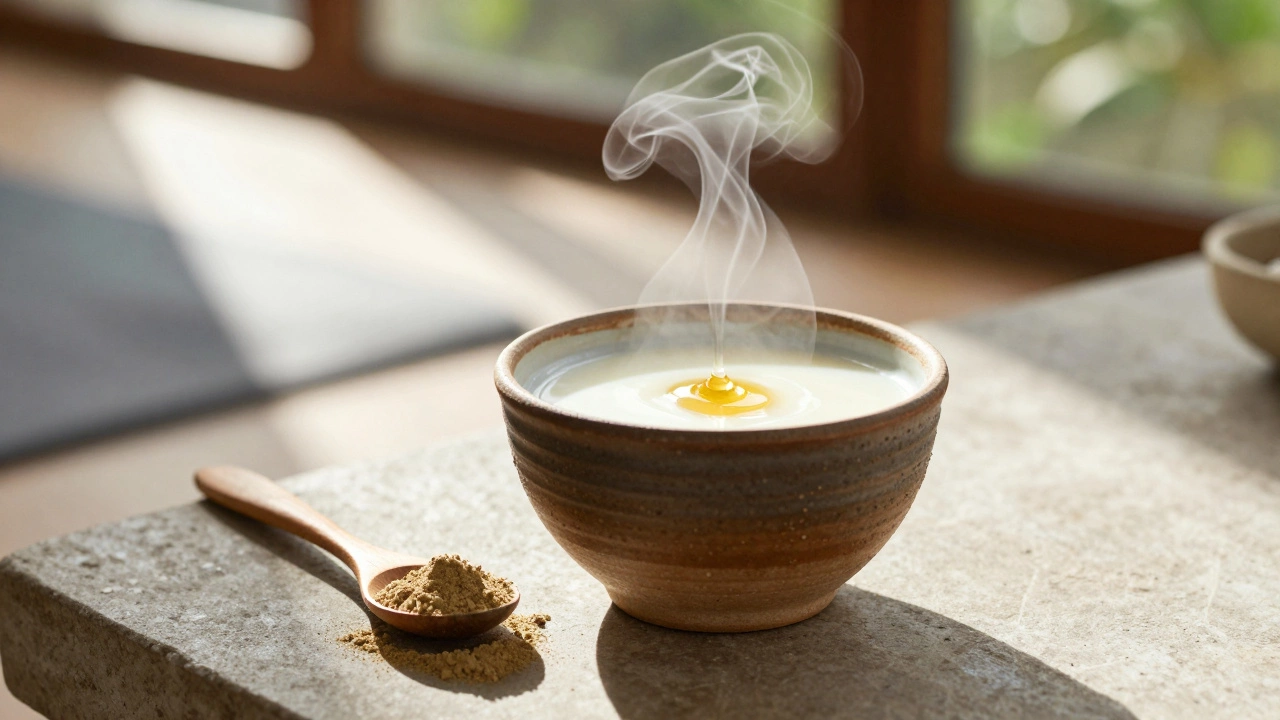
Food pairing also matters. Taking Ashwagandha with a fat source (like milk, ghee, or avocado) can enhance absorption since withanolides are fat-soluble. Traditional Ayurvedic practice often mixes the powder with warm milk and honey, a combination that is both soothing and effective.
Who Should Avoid the Queen?
Even queens have enemies. Ashwagandha is potent, and it is not suitable for everyone. You should avoid it or consult a doctor first if you fall into these categories:
- Pregnant or Breastfeeding Women: There is insufficient safety data, and some animal studies suggest potential risks to pregnancy. It is best to skip it during this time.
- Autoimmune Diseases: Since Ashwagandha stimulates the immune system, it could worsen conditions like lupus, rheumatoid arthritis, or multiple sclerosis.
- Thyroid Medication Users: Ashwagandha can increase thyroid hormone production. If you are already taking medication for hyperthyroidism or hypothyroidism, this could cause dangerous imbalances.
- Sedative Users: Because it has calming effects, combining it with alcohol, benzodiazepines, or sleep aids can lead to excessive drowsiness.
Always listen to your body. If you experience stomach upset, diarrhea, or unusual fatigue, stop taking it and speak with a healthcare provider.
Finding Quality Supplements
The supplement industry is largely unregulated, which means quality control is up to the manufacturer. To ensure you are getting real Ashwagandha and not filler:
- Check for Third-Party Testing: Look for seals from organizations like USP, NSF, or ConsumerLab. This guarantees the product contains what it says on the label and is free from heavy metals.
- Read the Label: Avoid products with vague terms like "proprietary blend" without listing exact amounts. You want to see "Withania somnifera root extract" and the percentage of withanolides.
- Source Matters: Ashwagandha grows best in India, Egypt, and parts of Africa. Products sourced from these regions tend to have higher potency due to optimal soil conditions.
Don't be fooled by cheap prices. High-quality organic Ashwagandha costs money to grow and process. If a bottle seems too good to be true, it probably is.
Final Thoughts on the Queen of Herbs
Ashwagandha earns its title not because it is magical, but because it is reliable. It addresses the root cause of many modern ailments: chronic stress. By supporting your adrenal glands and nervous system, it allows your body to function as it was designed to. Whether you are an athlete seeking recovery, a professional battling burnout, or someone struggling with sleep, this ancient herb offers a scientifically backed solution.
Remember, consistency is key. Give it at least four weeks to see real changes. Start with a reputable brand, monitor your body's response, and adjust accordingly. In the kingdom of herbal medicine, Ashwagandha remains the most trusted ally for holistic health.
Is Ashwagandha safe for daily use?
Yes, for most healthy adults, Ashwagandha is safe for daily use. Studies have shown no significant side effects when taken at recommended doses (300-600 mg) for periods up to three months. However, it is wise to cycle it occasionally or consult a doctor if you have underlying health conditions.
How long does it take for Ashwagandha to work?
Ashwagandha is not an instant fix. Most people begin to notice reduced stress and better sleep within 2 to 4 weeks of consistent daily use. Physical benefits like increased muscle strength may take longer, around 8 to 12 weeks.
Can I take Ashwagandha with coffee?
Yes, you can take Ashwagandha with coffee. In fact, many people find that combining it with caffeine helps reduce the jitters associated with coffee while maintaining alertness. However, if you are sensitive to stimulants, wait 30 minutes after drinking coffee before taking your supplement.
Does Ashwagandha help with weight loss?
Indirectly, yes. By lowering cortisol levels, Ashwagandha can reduce stress-related belly fat accumulation. It also boosts metabolism and energy levels, which may encourage more physical activity. However, it is not a direct fat-burning supplement and should be paired with a healthy diet and exercise.
What is the best time to take Ashwagandha?
The best time depends on your goal. Take it in the morning with breakfast if you want to manage daytime stress and boost energy. Take it in the evening with dinner or before bed if your primary goal is to improve sleep quality and relax.