
Stage 4 Cancer Treatment Pathway Guide
How it works: Select the characteristics that best describe your situation (or a hypothetical scenario) to see which treatments are typically prioritized according to current medical guidelines.
Recommended Approach Analysis
Primary Recommended Strategy
Treatment Options Overview
Why These Factors Matter
Receiving a diagnosis of Stage 4 cancer is advanced cancer that has spread from its original site to other parts of the body through metastasis often triggers an immediate, overwhelming question: Is it too late to do anything? Specifically, many patients and their families wonder if chemotherapy is a systemic treatment using powerful drugs to kill rapidly dividing cells still makes sense when the disease has progressed this far. The short answer is no, it is rarely "too late," but the goal of treatment changes significantly. It shifts from seeking a cure to extending life and maintaining quality.
The landscape of oncology in 2026 looks vastly different than it did even five years ago. We are moving away from one-size-fits-all chemical attacks on the body toward precision medicine. However, chemotherapy remains a cornerstone tool in the arsenal against advanced disease. Understanding whether it is right for you requires looking beyond the stage number and examining the specific type of cancer, your overall health, and the available alternatives like immunotherapy is treatment that helps your immune system recognize and attack cancer cells.
Redefining the Goal: Cure vs. Control
In early-stage cancers, such as Stage 1 or 2, the objective is usually curative. Doctors aim to eliminate every single cancer cell. In Stage 4, where metastasis is the process by which cancer spreads from the primary tumor to distant organs has occurred, the biological reality is different. The cancer is now a systemic issue, present in multiple locations. While some Stage 4 cancers, like certain testicular cancers or lymphomas, can still be cured with aggressive chemotherapy, most solid tumors (like lung, breast, or pancreatic) are managed as chronic conditions.
This shift in mindset is crucial. If you expect chemotherapy to wipe out the cancer completely, you may face disappointment and unnecessary toxicity. Instead, the modern approach focuses on disease control is slowing down or stopping the growth and spread of cancer to extend survival time. Think of it like managing diabetes or hypertension. You take medication not necessarily to cure the condition forever, but to keep it under control so you can live a normal life for as long as possible. For many patients, effective treatment can shrink tumors, relieve symptoms caused by the mass effect of the cancer, and add months or even years to their life expectancy.
When Chemotherapy Still Makes Sense
Chemotherapy is not obsolete for advanced cancer. In fact, for certain types, it remains the first line of defense. The decision to proceed depends heavily on the specific biology of the tumor. For example, in small cell lung cancer is an aggressive form of lung cancer that responds initially well to chemotherapy and radiation, chemotherapy is almost always recommended because these tumors shrink rapidly with drug treatment. Similarly, in hormone receptor-positive breast cancer, chemotherapy might be used after hormonal therapies fail to keep the disease at bay.
Your physical resilience, often measured by performance status, plays a huge role here. Doctors use scales like the Eastern Cooperative Oncology Group (ECOG) score to determine if your body can withstand the side effects. If you are mobile, able to perform daily activities, and have strong organ function (kidneys, liver, heart), you are likely a good candidate for chemotherapy. The benefits of shrinking the tumor and alleviating pain or breathing difficulties often outweigh the temporary fatigue, nausea, or hair loss associated with the drugs.
- High Symptom Burden: If the cancer is causing severe pain, obstruction, or bleeding, chemotherapy can quickly reduce the tumor size and provide relief.
- Chemosensitive Cancers: Some cancers, like ovarian or germ cell tumors, are historically very responsive to platinum-based chemotherapy agents.
- Maintenance Therapy: After an initial round of chemo shrinks the cancer, lower-dose maintenance therapy might be used to keep it suppressed with fewer side effects.
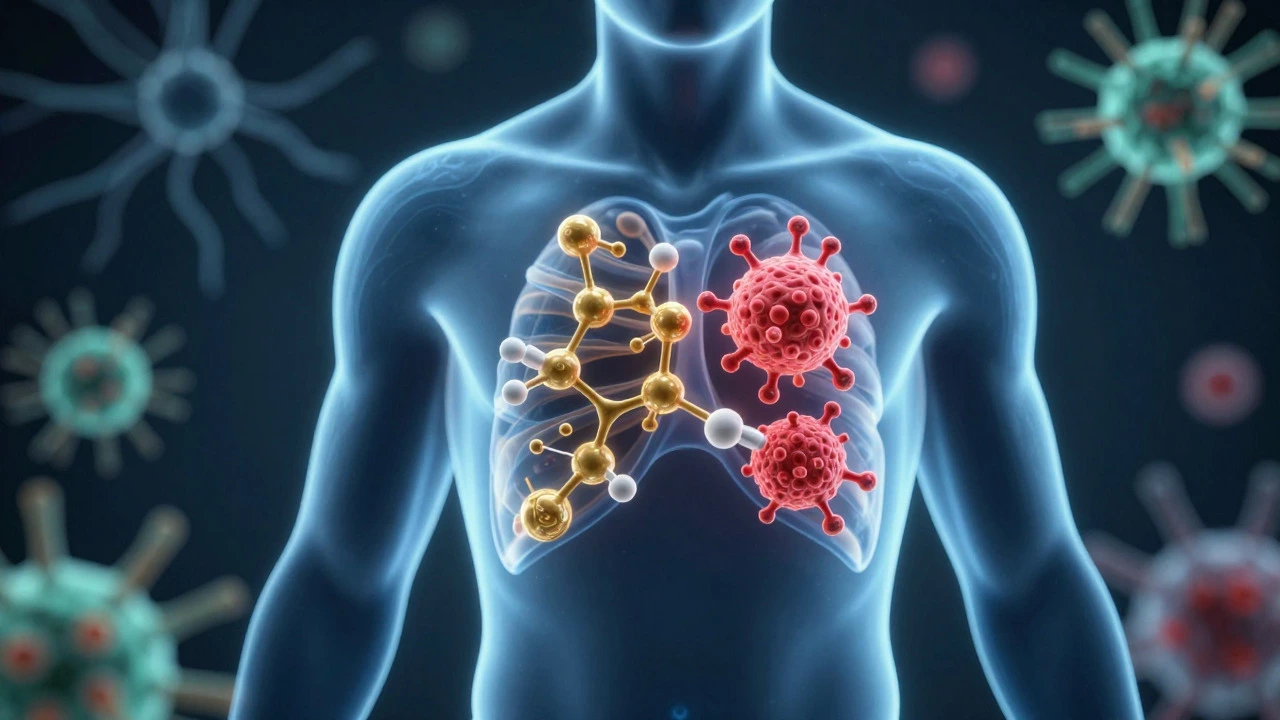
The Rise of Targeted Therapies and Immunotherapy
Perhaps the most significant change in treating Stage 4 cancer is the availability of treatments that are more precise and often less toxic than traditional chemotherapy. This is where genetic testing becomes non-negotiable. Before starting any treatment, your tumor should undergo molecular profiling to look for specific mutations. If your cancer has a driver mutation, such as EGFR in lung cancer or HER2 in breast cancer, you might benefit from targeted therapy is drugs that specifically target abnormal genes or proteins in cancer cells. These pills often work better and have milder side effects than intravenous chemotherapy.
Immunotherapy has also revolutionized the field. Drugs like checkpoint inhibitors (e.g., pembrolizumab, nivolumab) release the brakes on your immune system, allowing your own T-cells to hunt down cancer cells. For patients with high PD-L1 expression or mismatch repair deficiency (dMMR), immunotherapy can produce durable responses that last for years. In many cases, immunotherapy is preferred over chemotherapy as the first-line treatment for Stage 4 melanoma, kidney cancer, and lung cancer. It is essential to ask your oncologist: "Are there targeted options or immunotherapies available for my specific cancer type before we consider chemotherapy?"
| Treatment Type | How It Works | Common Side Effects | Best For |
|---|---|---|---|
| Chemotherapy | Kills all rapidly dividing cells | Fatigue, nausea, hair loss, low blood counts | Fast-growing tumors, symptom relief |
| Targeted Therapy | Blocks specific cancer pathways | Skin rash, diarrhea, liver issues | Cancers with specific genetic mutations |
| Immunotherapy | Boosts immune system response | Autoimmune-like reactions, fatigue | High PD-L1 or dMMR cancers |
| Hormone Therapy | Blocks hormones fueling cancer | Hot flashes, joint pain, mood changes | Breast and prostate cancers |
Quality of Life: The Critical Metric
In Stage 4 care, quality of life is not just a buzzword; it is a primary endpoint. Aggressive treatment that leaves you bedridden, hospitalized for infections, or unable to enjoy time with family defeats the purpose of extending life. This is why palliative care is specialized medical care focused on providing relief from symptoms and stress of serious illness should be introduced early, alongside active treatment. Palliative care is not the same as hospice. Hospice is for when curative or life-prolonging treatment stops. Palliative care supports you while you are undergoing chemotherapy or other therapies.
A palliative care team helps manage pain, anxiety, depression, and nutritional needs. Studies consistently show that patients who receive early palliative care alongside oncology treatment live longer and report higher satisfaction with their care. They handle the side effects so you can focus on living. If a proposed chemotherapy regimen is likely to cause severe debilitation without a clear chance of shrinking the tumor, it might be wise to pause and reassess. Sometimes, "doing less" is the most medically sound decision.

Factors That Influence the Decision
Deciding whether to pursue chemotherapy in Stage 4 is highly personal and medical. Here are the key factors your oncology team will evaluate:
- Tumor Biology: How fast is the cancer growing? Slow-growing indolent cancers might not need immediate aggressive treatment. Watchful waiting is sometimes an option.
- Performance Status: Can you walk? Can you feed yourself? If your ECOG score is 3 or 4 (bedbound most of the day), chemotherapy risks may outweigh benefits.
- Organ Function: Your kidneys filter chemo drugs; your liver metabolizes them. If these organs are compromised by cancer spread, dosages must be adjusted or alternative treatments chosen.
- Patient Preference: What matters most to you? Is it adding time at any cost, or is it remaining alert and pain-free for the time you have left?
It is also important to discuss clinical trials. Stage 4 patients are often eligible for trials testing new combinations of drugs, novel immunotherapies, or CAR-T cell therapies. Participation can give access to cutting-edge treatments that are not yet widely available, potentially offering better outcomes with manageable side effects.
Navigating Conversations with Your Doctor
Do not leave appointments without clarity. Ask direct questions. Instead of asking "Will this cure me?" ask "What is the realistic goal of this treatment?" or "How will this affect my daily energy levels?" Request a second opinion if you feel uncertain. In complex cases like Stage 4 cancer, getting another perspective from a specialist at a comprehensive cancer center can reveal options you hadn't considered, such as a specific targeted pill or a local radiation technique to control a painful bone metastasis.
Remember, saying no to chemotherapy does not mean giving up. It means choosing a different path, perhaps focusing on best supportive care, clinical trials, or alternative therapies that align better with your values and physical state. The goal is to ensure that every step you take brings you closer to the life you want to live, not just prolonging the dying process.
Is chemotherapy painful for stage 4 cancer patients?
The chemotherapy drugs themselves are not painful during infusion. However, side effects like mouth sores, nerve damage (neuropathy), or general weakness can cause discomfort. Modern anti-nausea medications and supportive care have significantly reduced the severity of these symptoms compared to previous decades. Pain management is a core part of the treatment plan.
Can stage 4 cancer be cured with chemotherapy?
For most solid tumors, stage 4 cancer is considered incurable but treatable. Exceptions include certain types of testicular cancer, lymphomas, and leukemias, which can be cured even at advanced stages. For others, the goal is long-term management similar to a chronic disease.
What happens if I refuse chemotherapy for stage 4 cancer?
If you refuse chemotherapy, your care team will focus on palliative care and symptom management. This ensures comfort, pain control, and psychological support. Depending on the cancer type, you might still be eligible for targeted therapies, immunotherapy, or hormone therapy, which are less aggressive than traditional chemo.
How long does chemotherapy take for stage 4 cancer?
Treatment duration varies. Some regimens run for 4-6 months, while others continue indefinitely as maintenance therapy until the cancer progresses or side effects become unmanageable. Regular scans monitor effectiveness, and treatment plans are adjusted based on response.
Is immunotherapy better than chemotherapy for stage 4?
Immunotherapy is often preferred for specific cancer types (like melanoma or lung cancer) because it can offer longer-lasting responses with different, often less severe, side effects. However, it only works for a subset of patients. Chemotherapy remains vital for cancers that do not respond to immune checkpoint inhibitors.