Cancer Stage Comparison Tool
Select a stage to understand the primary characteristics and treatment goals associated with that diagnosis.
Stage 3
Focus on eradication and cure
Stage 4
Focus on management and quality
Stage 3: Locally Advanced
Stage 4: Metastatic
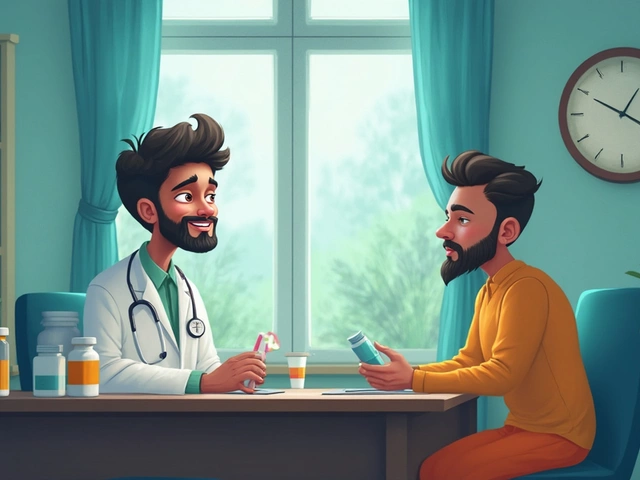
When a doctor mentions a stage number after a biopsy, it feels like the world stops. You're left staring at a chart or a screen, wondering exactly what "Stage 3" or "Stage 4" means for your actual life. The short answer is that Stage 4 is generally more advanced and harder to treat than Stage 3, but that doesn't tell the whole story. Medicine has changed so much in the last few years that a number on a page isn't the final word on your future.
Key Takeaways for Patients and Families
- Stage 3 means the cancer is locally advanced; Stage 4 means it has spread to distant organs.
- Stage 4 is typically not "curable" in the traditional sense, but it is often "manageable" as a chronic illness.
- Treatment goals shift from total eradication (curative) to quality of life and lifespan extension (palliative).
- New therapies like immunotherapy are making Stage 4 outcomes significantly better than they were a decade ago.
The Big Difference: Local vs. Distant
To understand why one is considered "worse," we have to look at how cancer staging is the process of describing the size of a tumor and whether it has spread to other parts of the body works. Most doctors use the TNM system-Tumor, Node, Metastasis.
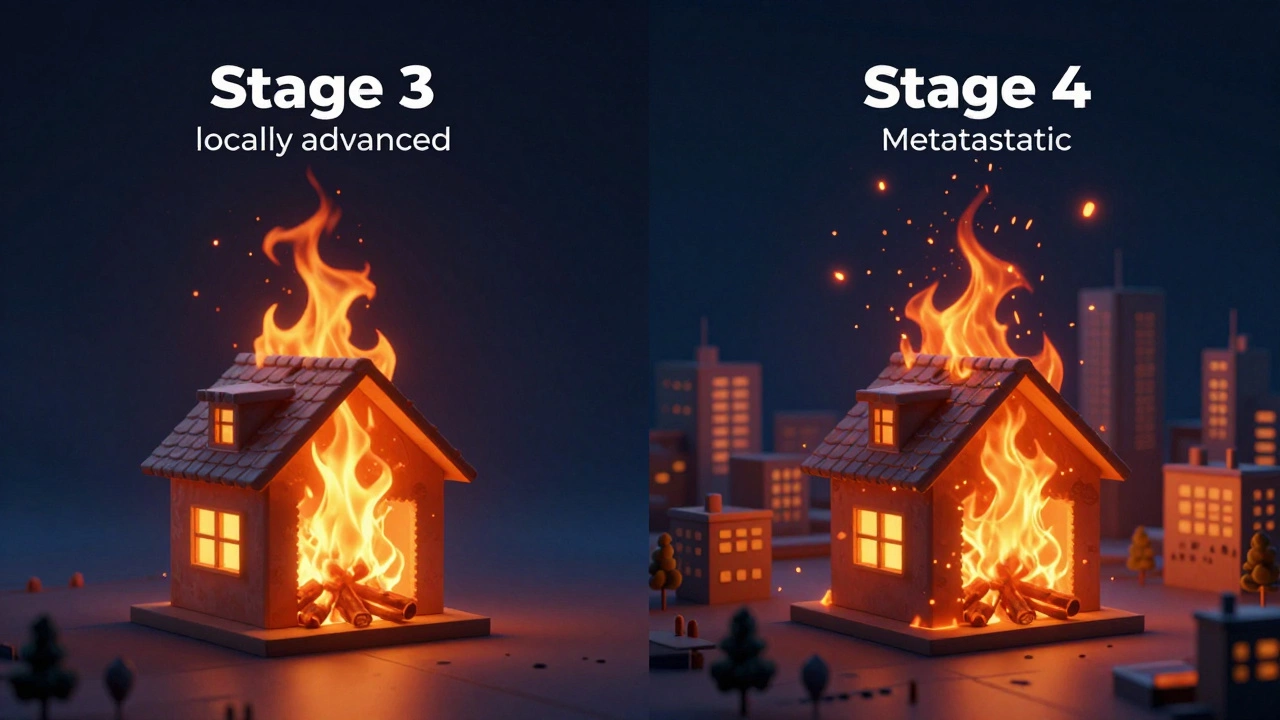
In Stage 3, the cancer has usually grown into the surrounding tissue and might have reached nearby lymph nodes. Think of it like a fire that has spread through a few rooms of a house. It's a serious situation, and the fire is large, but it's still contained within one building. The goal here is often aggressive surgery and chemotherapy to get rid of the cancer entirely.
Stage 4, however, is metastatic cancer. This means the "fire" has sent sparks through the air, and now there are small fires starting in other buildings across town. If you have breast cancer that has moved to the bones or lung cancer that has reached the brain, that is Stage 4. Because the cancer is now in multiple locations, you can't just "cut it out" with one surgery.
Treatment Goals: Cure vs. Management
This is where the "worse" part comes in. In Stage 3, the primary goal is often a cure. Doctors want to remove the tumor and zap any remaining cells so the cancer never comes back. The treatment is often grueling-heavy doses of chemotherapy and long hospital stays-but the intended outcome is that the patient is cancer-free.
In Stage 4, the goal shifts. While some rare Stage 4 cancers can be cured, most are treated as a chronic disease. The focus moves to palliative care, which isn't just about end-of-life care, but about maintaining a high quality of life. Instead of trying to kill every single cell, doctors use targeted therapies to keep the cancer "asleep" or growing very slowly. It's more like managing diabetes or heart disease; you live with it, you take your meds, and you keep your symptoms under control.
| Feature | Stage 3 (Locally Advanced) | Stage 4 (Metastatic) |
|---|---|---|
| Spread | Nearby lymph nodes/tissues | Distant organs (e.g., liver, lungs, bone) |
| Primary Goal | Curative (Elimination) | Management (Control/Quality of Life) |
| Surgery | Often the primary first step | Used mostly for symptom relief |
| Prognosis | Generally better long-term survival | More complex; varies by cancer type |
Why Stage 4 Isn't Always a "Death Sentence"
If you're reading this and feel panicked about a Stage 4 diagnosis, take a breath. The way we talk about stages is based on a model from twenty years ago. Today, we have immunotherapy, which trains your own immune system to find and kill cancer cells. We also have targeted therapy, which attacks specific genetic mutations in a tumor without harming healthy cells.
For example, some patients with Stage 4 melanoma-a skin cancer that used to be very lethal-now live for many years with a high quality of life thanks to drugs that block specific proteins on the cancer cell surface. In some cases, a patient with Stage 3 cancer might actually have a harder time because their tumor is in a location that is surgically impossible to reach, while a Stage 4 patient with a highly responsive mutation might see their tumors shrink dramatically with the right pill.
The Physical and Emotional Toll
It's honest to admit that Stage 4 is physically more taxing. Because the cancer is in multiple organs, you might deal with more systemic symptoms. Fatigue is a huge factor, and the side effects of long-term medication can wear a person down. Stage 3 is often an "intense sprint"-a few months of brutal treatment followed by a long recovery.
Emotionally, Stage 4 brings a different kind of weight. It's the transition from "I'm going to beat this" to "I'm living with this." That shift requires a different kind of mental strength. This is why oncology teams now include psychologists and social workers from day one. The mental game is just as important as the chemical one.
Navigating the Conversation with Your Doctor
When you're in the room with an oncologist, avoid asking "Am I going to die?" because they often can't give you a percentage that is accurate for you. Instead, ask questions that help you understand the specific behavior of your cancer. Every tumor is different; two people with "Stage 4 lung cancer" can have completely different genetic markers, meaning one drug might work for one person and not the other.
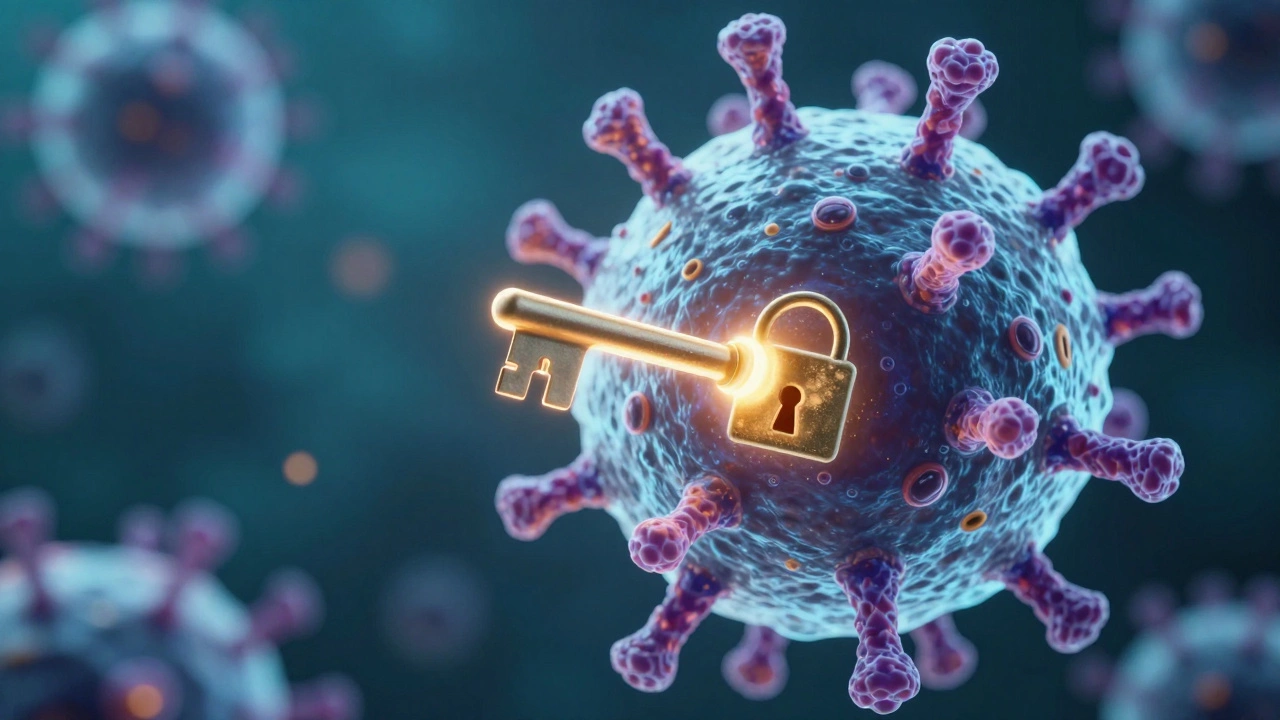
Ask about the biomarkers. If your cancer has a specific mutation (like EGFR or ALK in lung cancer), the stage matters less than the fact that there is a "key" (a drug) that fits that specific "lock" (the mutation). This is the move toward personalized medicine, where the stage is just one piece of the puzzle, not the whole picture.
Can Stage 4 cancer ever be cured?
While most Stage 4 cancers are considered incurable, there are exceptions. Some cancers, like certain types of lymphoma or testicular cancer, can respond so well to chemotherapy that they disappear entirely, even in advanced stages. In most other cases, the goal is "clinical remission," where the cancer is still there but not growing or causing symptoms.
Is Stage 3 always better than Stage 4?
Statistically, yes, because the cancer hasn't traveled to distant organs, making it easier to target. However, "better" is relative. A very aggressive Stage 3 tumor that resists chemotherapy can sometimes be more challenging than a slow-growing Stage 4 tumor that responds well to targeted therapy.
What is the main difference in treatment between the two?
Stage 3 treatment usually focuses on local control-surgery to remove the mass and radiation to clean up the edges. Stage 4 treatment is almost always systemic, meaning the medication (like chemo or immunotherapy) travels through the entire bloodstream to find cancer cells wherever they may be hiding in the body.
Does a Stage 4 diagnosis mean hospice is the only option?
Absolutely not. Hospice is for the very end of life when curative or stabilizing treatments are no longer working. Many people live for years, or even a decade, with Stage 4 cancer by using a combination of targeted therapies and supportive care.
How often are stages re-evaluated?
Stages are typically set at the time of diagnosis. However, doctors track your response to treatment using PET scans or CT scans every few months. While you might still be called "Stage 4," the actual volume of the tumor can shrink significantly, which is a win regardless of the official stage number.
What to Do Next
If you or a loved one are facing these diagnoses, the first step is to get a second opinion if you feel the current plan is too aggressive or not aggressive enough. Look for a NCI-Designated Cancer Center if you are in the US, or a specialized oncology institute in your region. These centers often have access to clinical trials that aren't available at general hospitals.
Start a health journal. Track not just the symptoms, but how you feel after each dose of medication. This data is gold for your doctor when they decide whether to tweak your dosage or switch you to a different drug. Finally, lean on a support group. Talking to someone who has lived with Stage 4 for five years is often more comforting than any brochure a doctor can give you.