CVS vs. Walgreens Pharmacy Selector
Answer these questions to see which pharmacy chain aligns best with your lifestyle and budget in 2026.
Your Recommendation Will Appear Here
Fill out the form on the left and click "See Recommendation".
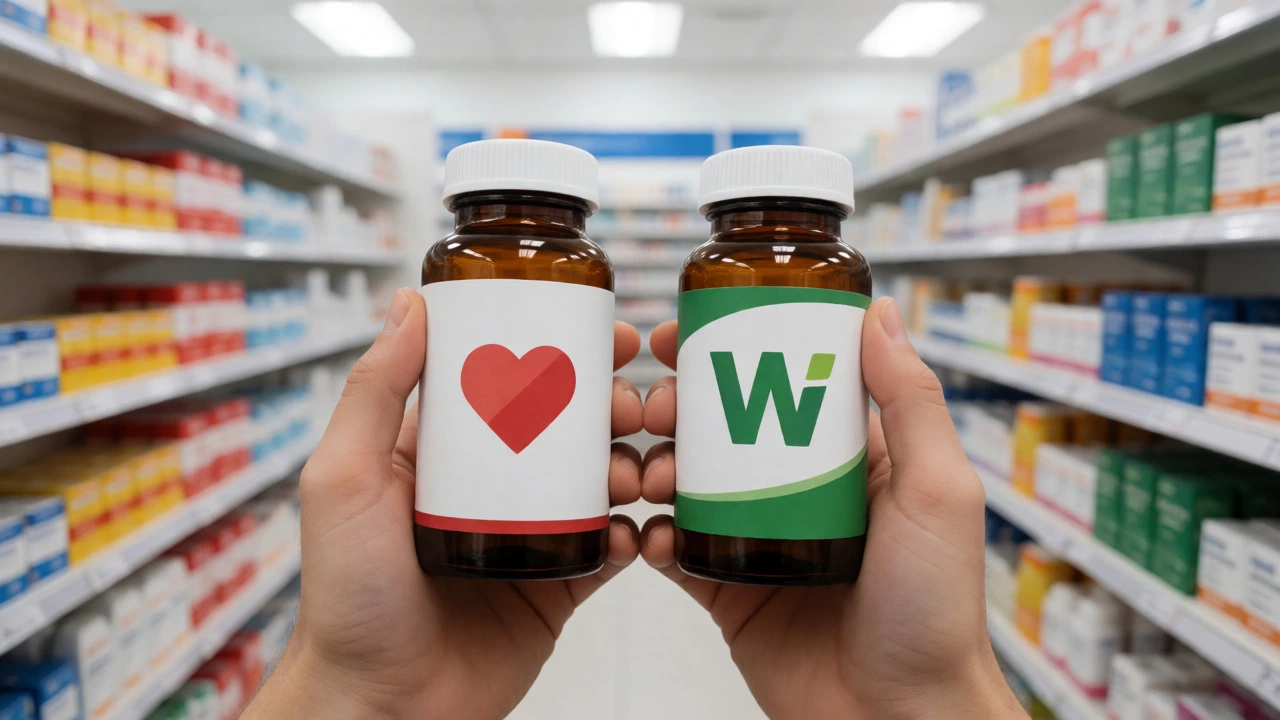
You’re standing in the aisle, holding two nearly identical bottles of blood pressure medication. One has a red heart logo; the other has a green "W". You glance at your wallet, then at your insurance card. Does it actually matter which chain you use? For millions of Americans, this isn't just a branding question-it’s about saving $50 a month or getting home before dinner.
Both CVS Health and Walgreens Boots Alliance are giants in the US retail pharmacy space. As of 2026, they control roughly 40% of all retail prescriptions filled in the country. But while their shelves look similar, their strategies, rewards programs, and digital tools have diverged significantly. Choosing the wrong one could mean missing out on exclusive discounts or dealing with clunky app interfaces that make refilling scripts a nightmare.
The Core Difference: Healthcare Integration vs. Retail Convenience
Here is the biggest strategic shift between the two: CVS has aggressively pivoted toward becoming a healthcare provider, not just a drugstore. Through its acquisition of Aetna, CVS integrates insurance data directly into your pharmacy experience. This means when you walk into a CVS, they often know more about your health history because they are also your insurer (if you have Aetna).
Walgreens, conversely, has doubled down on retail convenience and partnerships. They don’t own an insurance company. Instead, they focus on being everywhere you are-inside grocery stores, airports, and standalone locations. Their strength lies in their massive footprint of over 8,700 locations compared to CVS’s 9,000+, but with a different density model. Walgreens often feels more like a neighborhood convenience store with a pharmacy counter attached.
| Feature | CVS Pharmacy | Walgreens |
|---|---|---|
| Parent Company | CVS Health (owns Aetna) | Walgreens Boots Alliance |
| Rewards Program | CarePass (Health-focused) | myWalgreens (Retail-focused) |
| Insurance Integration | High (Aetna native integration) | Medium (Third-party partnerships) |
| Best For | Chronic condition management | Quick pickups & OTC deals |
| Digital App Rating | 4.8/5 (Streamlined) | 4.6/5 (Feature-rich but cluttered) |
Decoding the Rewards Programs: CarePass vs. myWalgreens
If you fill prescriptions regularly, the rewards program is where you’ll feel the difference most. CarePass by CVS costs $5 per month. In exchange, you get free shipping on online orders, a monthly coupon worth $10 off eligible purchases, and access to exclusive member-only prices on certain drugs. The catch? The "eligible" part. Many generic drugs aren’t discounted further under CarePass unless they are part of a specific promotional cycle.
On the other side, myWalgreens is free to join. It operates on a points system. You earn points on every dollar spent on both prescriptions and front-of-store items (like shampoo or snacks). These points convert to cash coupons. While less predictable than CVS’s flat discount, myWalgreens shines if you buy non-prescription items frequently. If you’re already buying toothpaste and vitamins there, you’re essentially subsidizing your prescription copay through points.
Who wins? If you strictly buy prescriptions and want predictable savings, CVS CarePass is mathematically superior for high-volume users. If you treat the pharmacy as a general errand stop, Walgreens’ free program offers better passive value.
Pricing Strategies: Who Has Cheaper Generics?
Let’s talk money. Insurance covers most of your bill, but what happens when you’re paying cash or hitting a deductible? Both chains use complex algorithms to price generics, but they target different demographics.
CVS tends to offer aggressive pricing on chronic maintenance meds (statins, blood pressure meds) to lock patients into their ecosystem long-term. They know that if you stay on their plan, you’re likely to use their MinuteClinic services later. Therefore, their base price for common generics is often lower than market average.
Walgreens often competes on short-term acute medications (antibiotics, pain relievers) and seasonal items. They run frequent "$5 for any generic" promotions, though these change weekly. You need to check the app before filling anything expensive. A quick tip: Always ask the pharmacist, "Is there a cheaper alternative available today?" at either location. Both chains have internal formulary lists that favor certain manufacturers, and switching from Brand X to Brand Y can save you $10 instantly.
Digital Experience: Apps and Refills
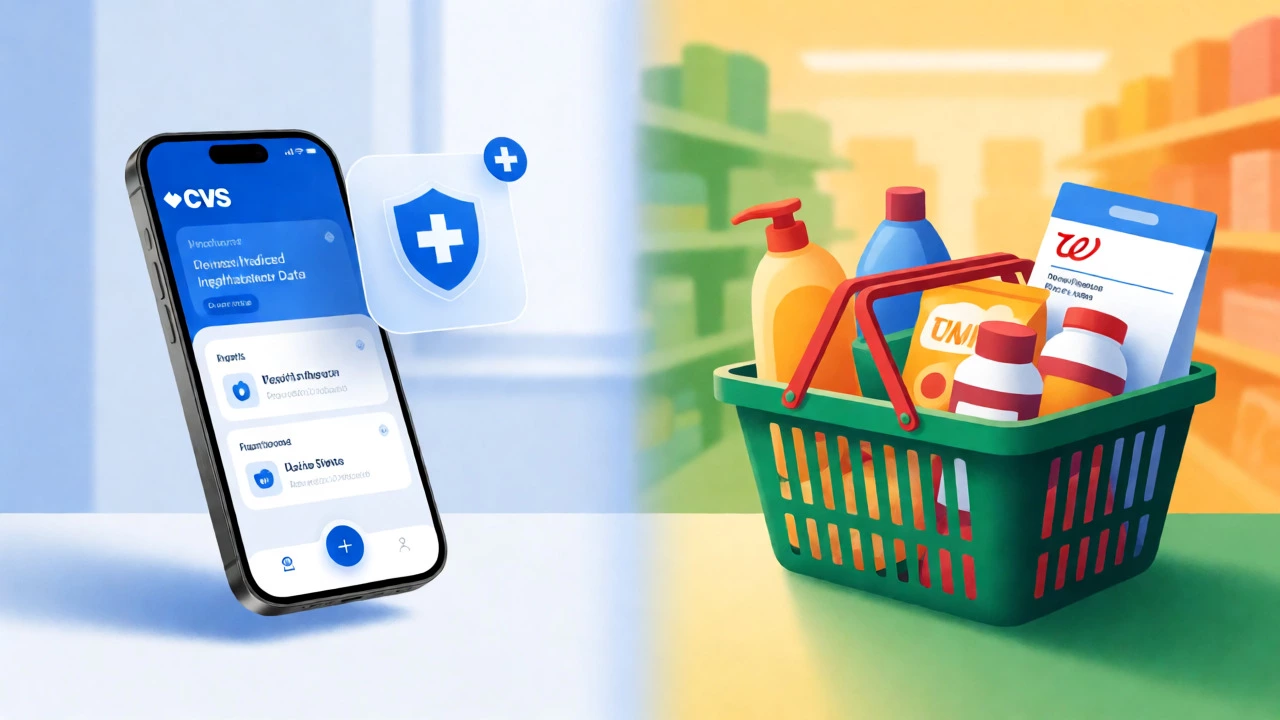
Nobody wants to wait on hold to refill a script. The mobile apps are your primary interface now, and here, CVS takes the lead. The CVS App is clean, fast, and integrates seamlessly with Apple Health and Google Fit. Because CVS owns Aetna, the app shows your real-time insurance coverage status without requiring you to log into a separate portal. You see exactly what you owe before you even walk in.
The Walgreens App is powerful but denser. It includes features for flu shots, vision checks, and photo printing. While useful, the navigation can be overwhelming. Users often report difficulty finding the "Refill All" button amidst the marketing banners. However, Walgreens’ text-message reminder system is arguably more reliable for ensuring you don’t miss a dose. They send proactive alerts three days before your supply runs out, whereas CVS sometimes waits until you’re already late.
Convenience and Accessibility
Location matters. If you live in a rural area, Walgreens might be closer. They have a higher presence in suburban and semi-rural markets. CVS dominates urban centers and high-density suburbs. Check your zip code. If you have a CVS within a 5-minute drive and a Walgreens 15 minutes away, the travel time alone might outweigh any potential $2 savings.
Drive-thru availability is another factor. CVS has been expanding drive-thrus rapidly, especially after acquiring hundreds of independent pharmacies. Walgreens still leads in total drive-thru count, particularly in older store formats. If you hate parking lots, verify which nearby store has a functional drive-thru window before committing.

Specialty Services and Clinics
This is where CVS pulls ahead for serious health needs. MinuteClinic is embedded in most CVS locations. You can get treated for minor illnesses, get vaccinations, or manage chronic conditions like diabetes without seeing your primary care doctor. Because CVS owns Aetna, these visits often result in immediate billing clarity and integrated records.
Walgreens partners with third-party clinics (like VillageMD in some regions), but the integration isn’t as seamless. You might fill a prescription at Walgreens but have to go elsewhere for a consultation. If you want a "one-stop-shop" for medical advice and medication, CVS’s vertical integration makes it the stronger choice.
Making Your Decision
So, who should you choose? There is no universal winner. Here is a simple decision tree:
- Choose CVS if: You have Aetna insurance, you have multiple chronic conditions requiring coordination, or you want a streamlined digital experience with predictable discounts via CarePass.
- Choose Walgreens if: You prefer not to pay a monthly membership fee, you buy many over-the-counter items alongside prescriptions, or you live in an area with better Walgreens accessibility.
- Stay Flexible: Most people don’t need to pick just one. Use Walgreens for your antibiotics and flu shots (using points), and CVS for your daily maintenance meds (using CarePass). Just ensure you keep your records organized so you don’t accidentally double-dose.
Ultimately, the "better" pharmacy is the one that saves you the most time and money based on your specific habits. Test both apps for a month. Track your actual out-of-pocket costs. The data will tell you which chain deserves your loyalty.
Is CVS generally cheaper than Walgreens?
It depends on the drug. CVS often has lower base prices for chronic maintenance medications due to its insurance integration. Walgreens may offer better deals on short-term prescriptions and over-the-counter items through its free rewards program. Always compare the final out-of-pocket cost in each app before filling.
Can I transfer prescriptions between CVS and Walgreens?
Yes, transferring is easy. You usually only need to provide your name, date of birth, and the name of the current pharmacy. The new pharmacy will call the old one to request the transfer. Note that controlled substances (like opioids) may require a paper prescription depending on state laws.
Is CVS CarePass worth the $5 monthly fee?
For most people who fill prescriptions monthly, yes. The $10 monthly coupon alone covers the fee if you spend $20+ on eligible items. Additionally, members get free shipping on online orders, which adds value if you order vitamins or supplements regularly.
Which pharmacy has better drive-thru service?
Walgreens historically has more drive-thru locations, especially in older suburban areas. However, CVS has been aggressively adding drive-thrus in recent years. Availability varies by specific location, so check the store details on the respective apps before visiting.
Do I lose my rewards points if I switch pharmacies?
Yes, rewards programs are proprietary. Points earned at Walgreens cannot be used at CVS, and vice versa. If you switch, you start fresh. Consider using up existing points or coupons before making the permanent move.