OTC Weight Loss Alternative Finder
Not sure which OTC supplement is right for you? Answer these quick questions to find your best match.
Weight Loss Potential
Side Effect Risk
Key Benefits
Important Warnings
You see the headlines. Everyone seems to be losing weight with Ozempic, a prescription injectable that mimics the hormone GLP-1 to curb appetite and slow digestion. But let's be real: it is expensive, requires a doctor's visit, involves needles, and often comes with side effects like nausea or fatigue. So, you walk into a pharmacy hoping to find a pill on the shelf that does the same thing. You grab a bottle of "Natural GLP-1 Booster" or some herbal blend. Does it work? The short answer is no-not in the way Ozempic works. There is currently no over-the-counter (OTC) drug that replicates the potent, specific mechanism of semaglutide (the active ingredient in Ozempic). However, there are natural compounds and supplements that influence similar biological pathways, offering milder versions of the same benefits.
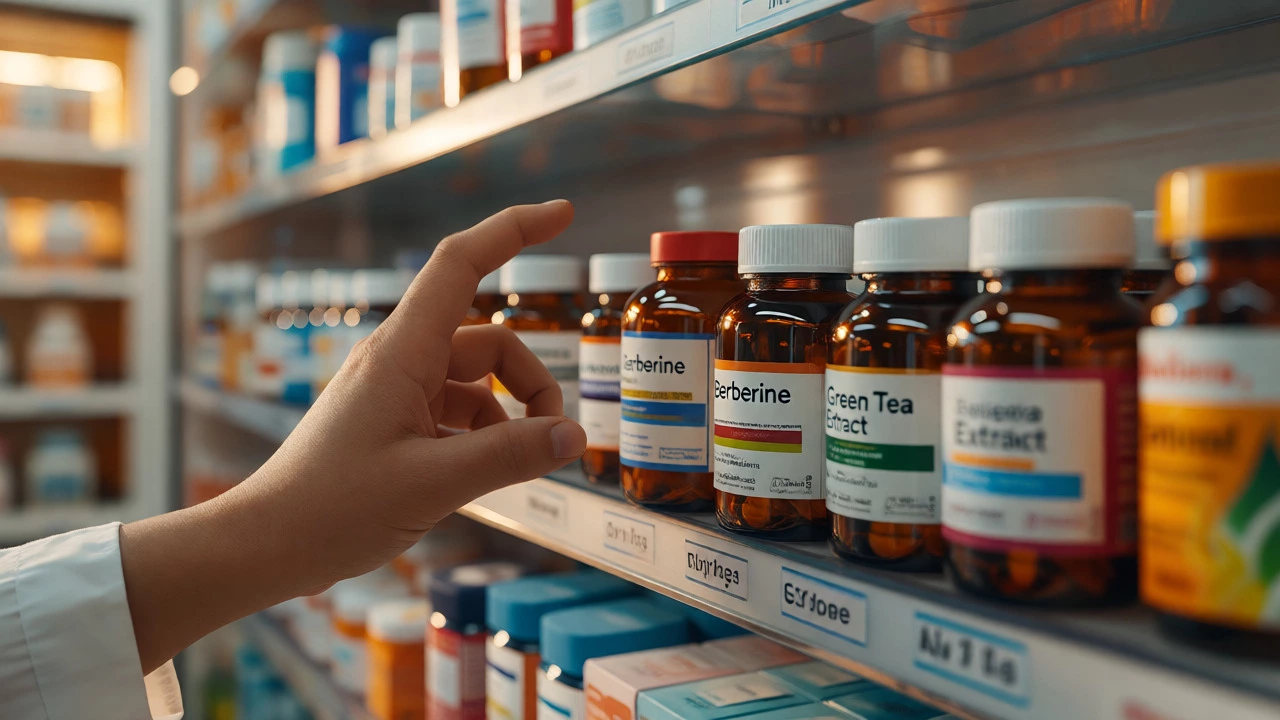
If you are looking for the closest thing to Ozempic without a prescription, you need to understand what you are actually buying. You aren't getting a drug; you are getting support for your metabolism. This article breaks down the top contenders, how they compare to the real deal, and whether they are worth your money.
The Reality Check: Why No OTC Pill Matches Ozempic Exactly
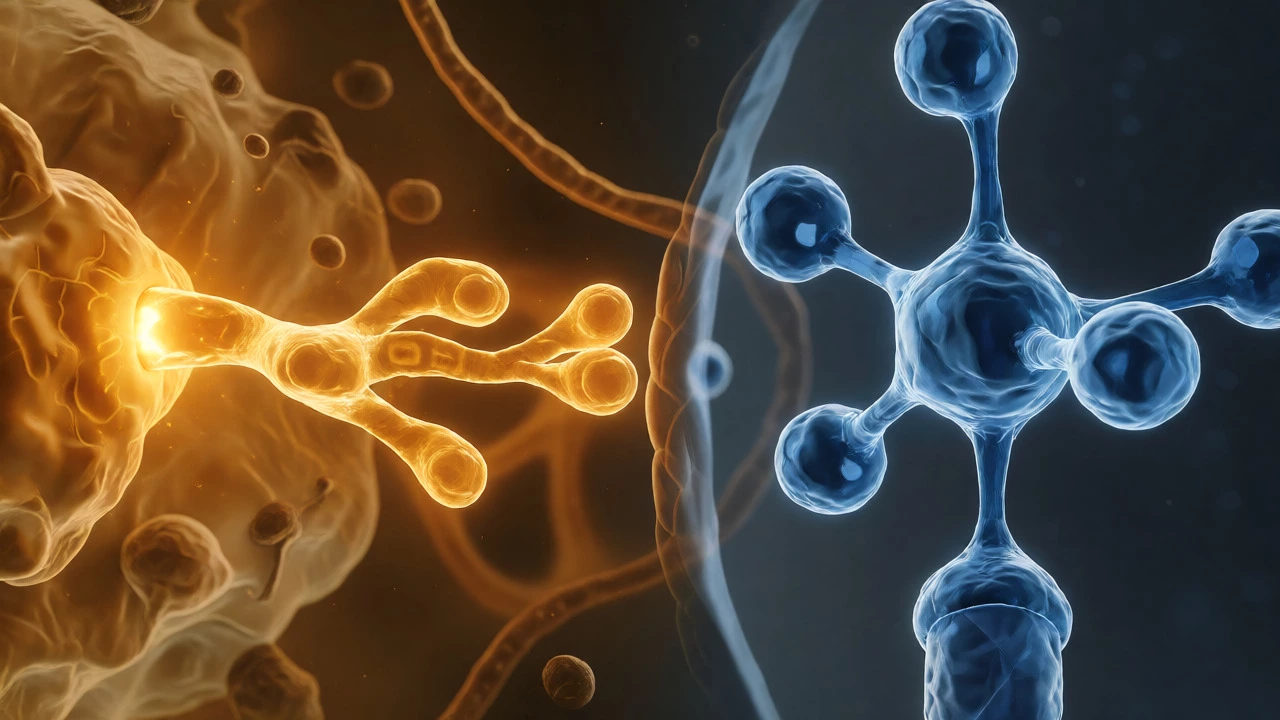
To understand why nothing matches Ozempic, you have to look at what Ozempic actually is. It is a GLP-1 receptor agonist. This means it binds directly to receptors in your brain and gut that control hunger signals, forcing them to stay active longer than natural hormones would. Prescription drugs like semaglutide are engineered to resist breakdown by enzymes, allowing them to last a week in your system. Natural supplements do not have this engineering. They might stimulate GLP-1 production slightly, but they cannot keep those receptors activated for days at a time.
Think of it this way: Ozempic is like turning on a faucet and keeping it open all day. Natural supplements are more like sprinkling water on the ground. It helps, but it doesn't flood the field. If you expect rapid, dramatic weight loss from an OTC supplement comparable to clinical trials of semaglutide, you will be disappointed. Most users report 5-10% body weight loss with Ozempic. With natural alternatives, realistic expectations are closer to 2-4%, primarily through better appetite control rather than forced metabolic suppression.
Berberine: The Most Promising Natural Contender
If you ask researchers which natural compound comes closest to mimicking GLP-1 activity, many point to Berberine. Berberine is a bioactive compound extracted from plants like goldenseal, barberry, and Oregon grape. It has been used in Traditional Chinese Medicine for centuries, but modern science has taken notice because of its impact on blood sugar and insulin sensitivity.
How does it relate to Ozempic? Berberine activates an enzyme called AMPK, often referred to as the "metabolic master switch." When AMPK is activated, your body burns fat for energy instead of storing it. Some studies suggest berberine can increase GLP-1 secretion indirectly. While it doesn't bind to the receptor like a drug, it improves the environment in which GLP-1 operates. A study published in the *Journal of Clinical Endocrinology & Metabolism* found that berberine improved glycemic control in people with type 2 diabetes, leading to modest weight reduction.
Pros:
- Proven to lower blood sugar and improve insulin sensitivity.
- May reduce cravings by stabilizing glucose spikes.
- Inexpensive and widely available.
- Poor absorption rate; often needs to be taken with food or formulated for bioavailability.
- Can cause gastrointestinal distress (cramping, diarrhea) if dosed too high.
- Does not provide the profound satiety effect of injectables.
Green Tea Extract and EGCG: Mild Appetite Suppression
Another popular option is Green Tea Extract, specifically standardized for EGCG (epigallocatechin gallate). This antioxidant is known for boosting metabolism and enhancing fat oxidation during exercise. Unlike berberine, which targets blood sugar, green tea extract works more on thermogenesis-the process of burning calories to produce heat.
While green tea won't shut off your hunger switch like Ozempic, it can help you eat slightly less by increasing feelings of fullness after meals. Research indicates that when combined with caffeine, EGCG may enhance fat loss by 3-5% compared to placebo. This is subtle, but for someone trying to maintain weight loss or avoid gaining back pounds, it can be useful.
Look for extracts with at least 50% EGCG content. Be cautious with dosage; high doses of green tea extract have been linked to liver stress in rare cases. Stick to recommended labels, usually around 250-500 mg of EGCG per day.
Fiber Supplements: The Mechanical Fullness Hack
Sometimes, the closest thing to a drug isn't a chemical mimic but a physical solution. Fiber supplements like glucomannan or psyllium husk work by absorbing water in your stomach and forming a gel-like substance. This physically stretches the stomach lining, sending signals to your brain that you are full.
This mimics one of Ozempic's key functions: delayed gastric emptying. Ozempic slows down how fast food leaves your stomach. Fiber does something similar mechanically. Glucomannan, derived from konjac root, is particularly effective because it expands up to 50 times its weight in water. Taking it before meals can significantly reduce calorie intake without altering your hormones.
Tip: Drink plenty of water. Without enough fluid, fiber can cause constipation instead of helping digestion. Start with 1 gram before major meals and adjust based on tolerance.
Comparison Table: Ozempic vs. Top OTC Alternatives
| Feature | Ozempic (Semaglutide) | Berberine | Green Tea Extract | Glucomannan (Fiber) |
|---|---|---|---|---|
| Mechanism | GLP-1 Receptor Agonist | AMPK Activation / Insulin Sensitivity | Thermogenesis / Antioxidant | Physical Satiety / Gel Formation |
| Weight Loss Potential | High (10-15% body weight) | Moderate (2-5%) | Low (1-3%) | Low (1-3%) |
| Appetite Control | Strong (Brain signaling) | Moderate (Blood sugar stability) | Mild | Moderate (Stomach stretching) |
| Side Effects | Nausea, vomiting, fatigue | Digestive upset, cramps | Jitteriness, liver stress (rare) | Bloating, gas, constipation |
| Cost (Monthly) | $800-$1,000+ (US) / ₹3,000-₹5,000 (India generic) | $20-$40 | $15-$30 | $10-$20 |
| Prescription Needed? | Yes | No | No | No |

What About "GLP-1 Boosters" Sold Online?
You will see bottles labeled "GLP-1 Activator" or "Natural Ozempic." These are usually proprietary blends containing berberine, chromium, alpha-lipoic acid, and various herbs. Here is the truth: these blends are not regulated like drugs. One batch might contain 500 mg of berberine; the next might contain 100 mg. There is no guarantee of potency.
Furthermore, marketing terms like "activator" are vague. Just because a herb stimulates GLP-1 release in a test tube doesn't mean it survives digestion in sufficient quantities to affect your brain. Save your money. Buy single-ingredient supplements like pure berberine or pure glucomannan. You know exactly what you are taking, and you can control the dose.
Lifestyle Factors That Amplify Natural Results
Supplements alone rarely move the needle significantly. The people who succeed with natural alternatives treat them as tools, not magic bullets. To get results close to pharmaceutical interventions, you must pair them with specific lifestyle changes.
First, prioritize protein. Protein triggers the release of PYY and GLP-1 naturally. Eating 25-30 grams of protein at breakfast can reduce snacking later in the day. Second, manage sleep. Poor sleep increases ghrelin (the hunger hormone) and decreases leptin (the fullness hormone), making any supplement less effective. Third, strength training. Building muscle increases your resting metabolic rate, complementing the metabolic boost from berberine or green tea.
If you combine berberine with a high-protein diet and resistance training, you create a synergistic effect. You are attacking weight gain from multiple angles: hormonal, mechanical, and metabolic.
When to See a Doctor Instead
Do not rely on OTC options if you have significant health markers out of range. If your BMI is over 30, or over 27 with comorbidities like hypertension or prediabetes, you likely qualify for prescription therapy. A doctor can monitor your kidney function and pancreas health, which is crucial when using GLP-1 drugs. Natural supplements are generally safe, but they interact with medications. For instance, berberine can lower blood sugar too much if you are already on diabetes medication, causing hypoglycemia.
Also, consider the source. In India, where regulations on supplements vary, ensure your product has third-party testing verification. Look for certifications like USP or GMP to avoid contaminants.
Is there any over-the-counter version of Ozempic?
No. Ozempic contains semaglutide, a prescription-only GLP-1 receptor agonist. There is no FDA-approved over-the-counter drug with the same active ingredient or mechanism. Supplements marketed as "natural Ozempic" are herbal blends that offer mild, indirect benefits but are not equivalent to the medication.
How long does it take to see results from berberine?
Most studies suggest noticeable improvements in blood sugar and modest weight loss within 8 to 12 weeks. Consistency is key, as berberine builds up in the system over time. Immediate appetite suppression is less common than with prescription drugs.
Can I take berberine and metformin together?
Many people do, but caution is required. Both berberine and metformin lower blood sugar. Taking them together can increase the risk of hypoglycemia (low blood sugar). Always consult your doctor before combining them, especially if you are already managing diabetes.
Do green tea pills cause jitters?
Yes, if they contain added caffeine or if you are sensitive to stimulants. Pure EGCG extracts without added caffeine are less likely to cause jitters but may still cause mild digestive discomfort. Start with a low dose to assess tolerance.
Which fiber supplement is best for weight loss?
Glucomannan is often cited as the most effective for appetite suppression due to its high water-absorption capacity. Psyllium husk is also excellent for digestive health and regularity. Choose based on your primary goal: glucomannan for fullness, psyllium for bowel regularity.