Metformin Weight Loss Calculator
Your Inputs
Your Results
- Insulin Resistance +2-5% body weight
- PCOS +5-12% body weight (especially belly fat)
- Healthy Diet +3-8% body weight
- Exercise +2-7% body weight
People ask if they can lose 30 pounds on metformin because they’ve heard stories-maybe from a friend, a social media post, or a doctor’s offhand comment. The truth? Metformin isn’t a magic weight loss pill. But it can help, especially if you have insulin resistance or prediabetes. And if you’re trying to lose 30 pounds, that’s a real goal. Metformin might be part of the solution, but not the whole answer.
How Metformin Actually Works
Metformin was never designed to make you lose weight. It was created in the 1950s to treat type 2 diabetes. It works by lowering the amount of sugar your liver releases into your blood and making your body more sensitive to insulin. When insulin works better, your body stops storing as much fat-and that’s where the weight loss comes in.
Studies show that people on metformin lose about 2% to 5% of their body weight over six months. For someone weighing 200 pounds, that’s 4 to 10 pounds. Losing 30 pounds? That’s unlikely on metformin alone. But if you’re already overweight and insulin resistant, metformin can make diet and exercise work better. It doesn’t burn fat. It removes the roadblocks keeping fat from coming off.
Who Benefits Most From Metformin for Weight Loss
Not everyone loses weight on metformin. The people who see the best results usually have:
- Insulin resistance or prediabetes
- Polycystic ovary syndrome (PCOS)
- A BMI over 27
- High fasting insulin levels
If you don’t have any of these, metformin won’t help much. A 2023 study in Diabetes Care followed 800 adults with obesity but no diabetes. Half took metformin, half took a placebo. After a year, the metformin group lost an average of 6.5 pounds. The placebo group lost 2.1. The difference? Real, but not dramatic. And no one lost 30 pounds.
People with PCOS often see more success. One trial found women with PCOS lost an average of 12 pounds over six months on metformin-mostly from belly fat. That’s because insulin spikes in PCOS trigger fat storage, especially around the waist. Metformin breaks that cycle.
Why 30 Pounds Is a Big Ask
Losing 30 pounds safely takes time. Most experts recommend losing 1 to 2 pounds per week. That means 15 to 30 weeks of consistent effort. Metformin might help you lose 1 to 2 pounds a month-not a week. So even if you’re getting the best possible results, you’d need 12 to 24 months to hit 30 pounds.
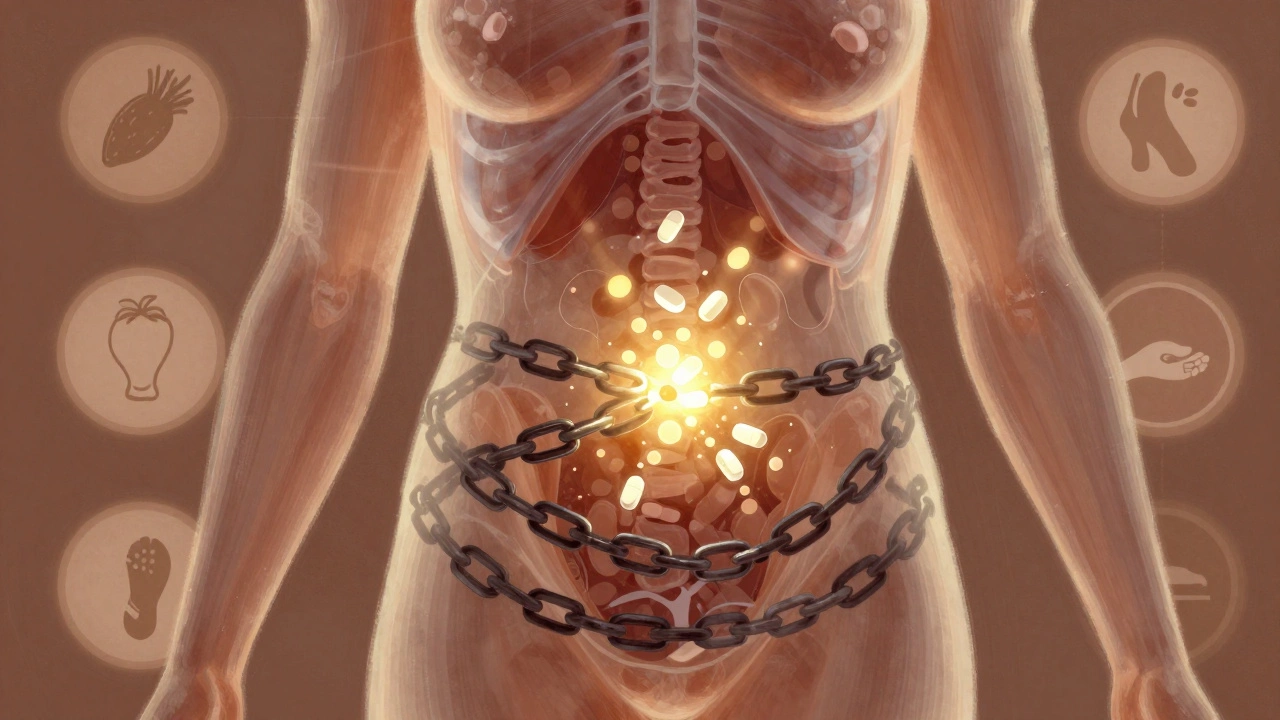
And here’s the catch: most people stop taking metformin after a few months because of side effects. Up to 30% of users get stomach upset-bloating, gas, diarrhea. These usually fade after a few weeks, but many quit before they do. If you stop taking it, you’ll likely regain the weight you lost.
Metformin also doesn’t suppress appetite like GLP-1 drugs (think Ozempic or Wegovy). You still have to eat less. You still have to move more. It doesn’t make hunger go away. It just helps your body use food better.
What Happens If You Take Metformin Without Eating Right
Some people think, “I’ll just take metformin and eat whatever I want.” That doesn’t work. One patient I worked with-a 45-year-old woman with prediabetes-took metformin but kept drinking soda and eating fried snacks. She lost 3 pounds in three months. Then she gained it all back when she stopped the pill.
Metformin works best with low-glycemic foods: vegetables, beans, whole grains, lean proteins. It fights sugar spikes. If you’re still eating white bread, candy, and sugary coffee, you’re fighting your own medicine. The drug can’t outwork a bad diet.
Combine metformin with:
- Reducing added sugar to under 25 grams per day
- Getting 150 minutes of walking or strength training weekly
- Sleeping 7 to 8 hours a night
That’s the real formula.
Side Effects You Can’t Ignore
Metformin is generally safe, but it’s not risk-free. The most common issues are digestive:
- Diarrhea (up to 25% of users)
- Nausea or vomiting (15%)
- Gas and bloating (20%)
These usually go away if you start with a low dose and take it with food. But some people never adjust. A small number develop vitamin B12 deficiency after long-term use-which can cause fatigue, numbness, or brain fog. That’s why doctors check B12 levels every year if you’re on metformin for more than two years.
There’s also a rare but serious risk: lactic acidosis. It happens in fewer than 1 in 10,000 people. But it’s more likely if you have kidney problems, drink heavily, or are dehydrated. If you feel unusually tired, dizzy, or have muscle pain while on metformin, get checked immediately.

Alternatives That Work Better for 30 Pounds
If your goal is 30 pounds, metformin isn’t the strongest tool. Here’s what works better:
- GLP-1 agonists (like semaglutide): Lose 15-20% of body weight on average. But they cost $1,000+ a month and need a prescription.
- Behavioral weight loss programs: Structured plans with coaching, meal tracking, and group support. Studies show 10-15% weight loss in a year.
- Bariatric surgery: For people with BMI over 35, this leads to 25-35% weight loss. But it’s major surgery.
Metformin is a stepping stone-not the destination. If you’re not ready for surgery or expensive drugs, it’s a good start. But don’t expect it to carry you the whole way.
Realistic Expectations
Can you lose 30 pounds on metformin? Maybe. But not without major changes to your diet, activity, and habits. If you have insulin resistance, metformin can give you the edge. It can help you stick to a plan when your body is fighting you.
But if you’re hoping it’ll melt off 30 pounds while you binge-watch Netflix? That won’t happen. Weight loss is never about one pill. It’s about consistency. It’s about sleep. It’s about stress. It’s about what’s on your plate.
Metformin can help. But you still have to do the work.
What to Do Next
If you’re considering metformin for weight loss:
- Get tested for insulin resistance or prediabetes. Ask for fasting glucose, HbA1c, and fasting insulin.
- Don’t self-prescribe. Metformin is a prescription drug. Your doctor needs to check your kidney function first.
- Start low. Most doctors begin with 500 mg once daily, then increase slowly.
- Track your food. Use a free app like MyFitnessPal for 30 days. You’ll be surprised what’s adding up.
- Move daily. Even 30 minutes of walking helps. It boosts insulin sensitivity more than you think.
If you don’t have diabetes or insulin resistance, metformin won’t help much. Talk to your doctor about other options. There are better, more targeted tools now.
Metformin isn’t the answer to losing 30 pounds. But it can be part of the process-if you’re willing to do the rest.
Can metformin help me lose weight if I don’t have diabetes?
Yes, but only if you have insulin resistance, prediabetes, or PCOS. If your insulin levels are normal, metformin won’t cause significant weight loss. It’s not a fat-burning drug-it’s an insulin-sensitizing one. Without insulin issues, it won’t make much difference.
How long does it take to see weight loss on metformin?
Most people start noticing small changes after 3 to 6 months. The biggest drop usually happens in the first 4 to 8 weeks, but it’s slow. Don’t expect dramatic results in the first month. Weight loss is gradual, and metformin works best over time with lifestyle changes.
Will I gain the weight back if I stop metformin?
Very likely. Metformin doesn’t change your metabolism permanently. If you go back to old eating habits after stopping, your body will likely regain the weight. The key is to use the time on metformin to build lasting habits-better food choices, regular movement, better sleep. That’s what keeps the weight off.
Is metformin safer than weight loss drugs like Ozempic?
Metformin has been used for over 60 years and is generally very safe for most people. Ozempic and similar drugs are newer and more powerful for weight loss, but they come with higher costs and more side effects like nausea, vomiting, and potential gallbladder issues. Metformin is cheaper and has a longer safety record, but it’s also much less effective for large weight losses.
Can I take metformin with other supplements for weight loss?
Some supplements like magnesium, vitamin D, or berberine may support insulin sensitivity and work well with metformin. But don’t mix them without talking to your doctor. Berberine, for example, can lower blood sugar too much when combined with metformin. Always check for interactions. Don’t assume natural means safe.