Semaglutide Weight Loss Realism Calculator
Calculate realistic weight loss expectations based on clinical trial data for semaglutide (Wegovy/Ozempic) and understand why aggressive goals are medically unsafe.
Imagine stepping on the scale after just four weeks of taking semaglutide is a prescription medication originally developed for type 2 diabetes that mimics a hormone targeting areas of the brain that regulate appetite and food intake. and seeing the number drop by twenty pounds. It sounds like the dream scenario, especially when you see influencers posting dramatic before-and-after photos. But here is the hard truth: losing twenty pounds in thirty days on this drug is not just unrealistic; it is medically dangerous and statistically nearly impossible for the vast majority of people.
If you are considering buying this medication from an online pharmacy is a digital platform that dispenses prescription medications directly to consumers via mail or local pickup., you might be tempted by promises of rapid results. However, understanding how your body actually processes fat, water, and muscle mass is crucial before you inject anything. Let’s break down the science, the realistic numbers, and the risks involved in chasing such an aggressive goal.
The Science Behind the Scale: Why 20 Pounds Is a Myth
To understand why twenty pounds is off the table, we need to look at basic energy balance. One pound of body fat contains approximately 3,500 calories. To lose twenty pounds of pure fat in one month, you would need to create a calorie deficit of 70,000 calories. That breaks down to a daily deficit of roughly 2,333 calories.
For most adults, total daily energy expenditure (TDEE) ranges between 1,800 and 2,500 calories. Creating a deficit larger than your entire daily intake means you would have to eat nothing and burn thousands of extra calories through exercise every single day. This is physiologically unsustainable. Even with semaglutide suppressing your appetite significantly, your body will not magically shed twenty pounds of tissue in four weeks.
What you might see on the scale initially is mostly water weight. When you start restricting carbohydrates and eating less due to reduced hunger, your glycogen stores deplete. Since glycogen holds water, you lose several pounds quickly. This creates a false sense of progress. After the first two weeks, the rate of loss slows down dramatically as your body adapts to the new metabolic state.
Realistic Weight Loss Timelines with Semaglutide
Clinical trials provide the most honest data regarding what to expect. In the STEP trial series conducted by Novo Nordisk, participants using semaglutide (Wegovy brand) at a maintenance dose of 2.4 mg per week lost an average of 15% of their body weight over sixty-eight weeks. For a person weighing 200 pounds, that is about 30 pounds over five and a half months, not one month.
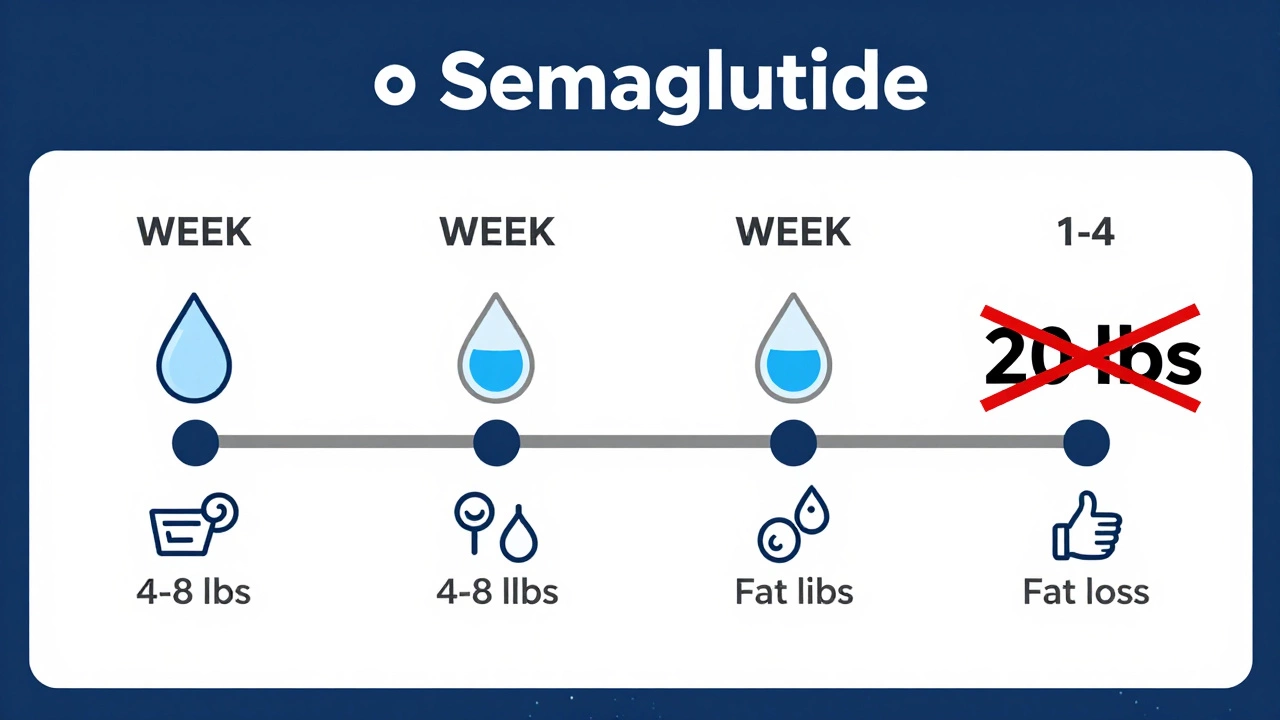
In the first month specifically, most patients lose between 4 to 8 pounds. Some may lose slightly more if they have significant water retention or very high starting weights, but hitting twenty pounds is an outlier scenario that usually involves extreme dehydration or severe muscle wasting, neither of which is healthy.
- Weeks 1-2: Dose titration begins at 0.25 mg. Weight loss is minimal, often 1-3 pounds, primarily water.
- Weeks 3-4: Dose increases to 0.5 mg. Appetite suppression kicks in. Additional 2-4 pounds of fat and water loss.
- Month 2-3: Dose reaches 1.0 mg or higher. Steady fat loss of 1-2 pounds per week becomes common.
- Months 4-6: Maintenance phase. Loss continues but plateaus eventually without lifestyle changes.
Patience is key. The drug works best when viewed as a tool for long-term management, not a quick fix for a summer beach body.
Dangers of Rapid Weight Loss Goals
Chasing a twenty-pound monthly loss introduces serious health risks. Your body needs time to adjust to lower caloric intake. Dropping too fast can lead to gallstones, as rapid fat mobilization saturates bile with cholesterol. It can also cause electrolyte imbalances, leading to heart palpitations and fatigue.
Muscle loss is another major concern. When you lose weight too quickly, your body catabolizes lean muscle tissue along with fat. This lowers your basal metabolic rate, making it harder to keep the weight off once you stop the medication. You end up with "skinny fat" physiology-lower weight but poor body composition and weaker metabolism.
Nutritional deficiencies are also prevalent. If you are barely eating because the drug suppresses hunger, you might miss out on essential proteins, vitamins, and minerals. This leads to hair loss, brittle nails, and weakened immunity. These are common complaints among users who push their bodies too hard too soon.
Navigating Online Pharmacies Safely
Many people turn to online pharmacies because of the high cost and strict insurance requirements for branded semaglutide in countries like the US and UK. While convenient, this route carries significant risks. Counterfeit drugs are rampant in the unregulated online market. A study published in JAMA Internal Medicine found that a significant percentage of compounded GLP-1 agonists sold online contained incorrect dosages or inactive ingredients.
When sourcing from an online pharmacy, you must verify legitimacy. Look for VIPPS (Verified Internet Pharmacy Practice Sites) accreditation in the US or equivalent regulatory bodies in other regions. Never buy from social media ads or direct messages. Always require a valid prescription from a licensed healthcare provider. Legitimate pharmacies will ask for your medical history and current medications to check for interactions.
| Source Type | Safety Level | Cost Factor | Prescription Required? |
|---|---|---|---|
| Local Brick-and-Mortar Pharmacy | High | High (without insurance) | Yes |
| Accredited Online Pharmacy | High | Moderate to High | Yes |
| Unverified Online Sellers | Low | Low | No (Often) |
| Compounding Pharmacies | Moderate | Moderate | Yes |
Compounding pharmacies offer a middle ground during shortages, but ensure they use FDA-approved active pharmaceutical ingredients (API). Avoid products that claim to be "bio-identical" without clear labeling of the source material.
Maximizing Results Without Compromising Health
If you want to get the most out of semaglutide, focus on sustainable habits rather than extreme deficits. Prioritize protein intake to preserve muscle mass. Aim for 0.7 to 1 gram of protein per pound of target body weight. This keeps you satiated and protects your metabolism.
Strength training is non-negotiable. Two to three sessions per week help maintain lean mass while the drug helps you burn fat. Walking is also excellent for digestion and overall calorie burn without adding stress to your body.
Hydration plays a critical role. Semaglutide can cause nausea and gastrointestinal issues. Drinking plenty of water helps mitigate these side effects and supports kidney function as your body processes waste products from fat breakdown.
Monitor your progress beyond the scale. Take body measurements and photos weekly. Sometimes the scale stalls while your clothes fit better. This psychological shift helps prevent discouragement and binge-eating episodes.
Common Side Effects to Watch For
Gastrointestinal distress is the most common complaint. Nausea, vomiting, diarrhea, and constipation affect up to 40% of users, especially during dose escalation. Eating smaller, low-fat meals can help manage these symptoms. Avoid fried foods and large portions.
Lethargy and brain fog are also reported. As your caloric intake drops, your energy levels may dip. Ensure you are getting enough complex carbohydrates and healthy fats to fuel your brain. If side effects become severe, consult your doctor immediately. Do not push through pain or persistent vomiting.
There is also a risk of pancreatitis and thyroid tumors in animal studies. While human links are still being investigated, patients with a family history of medullary thyroid carcinoma should avoid semaglutide entirely. Always disclose your full medical history to your provider.
Long-Term Sustainability vs. Quick Fixes
The biggest mistake people make is viewing semaglutide as a temporary crutch. Studies show that when patients stop the medication, most regain the weight within twelve months. This happens because the underlying hormonal drivers of hunger return. The drug masks the symptoms but does not cure the behavioral patterns.
To achieve lasting results, use the time on medication to build new habits. Learn portion control, mindful eating, and stress management techniques. Think of the drug as a training wheel. Once you are comfortable managing your weight with lower doses or off the drug entirely, you can taper off safely under medical supervision.
Setting a goal of 1-2 pounds per week is the gold standard recommended by the CDC and other health organizations. This pace ensures fat loss rather than muscle loss and allows your skin to adjust gradually, reducing sagging. Over six months, this approach yields 24-48 pounds of sustainable weight loss, which is far superior to a dangerous twenty-pound sprint.
Is it safe to take semaglutide without a prescription?
No, it is not safe. Semaglutide is a potent prescription medication with potential side effects and contraindications. Using it without medical supervision increases the risk of adverse reactions, incorrect dosing, and interactions with other medications. Always consult a healthcare provider before starting treatment.
How much weight can I realistically lose in the first month?
Most people lose between 4 to 8 pounds in the first month. This includes some initial water weight. Losing more than this is rare and often indicates dehydration or muscle loss, which is unhealthy. Focus on consistent, gradual progress rather than rapid drops.
Will I gain the weight back after stopping semaglutide?
Many people do regain weight if they do not maintain lifestyle changes. The drug addresses appetite but not habits. To prevent regain, continue practicing portion control, strength training, and mindful eating even after discontinuing the medication. Long-term success requires behavioral modification.
Are there natural alternatives to semaglutide for weight loss?
While no natural supplement matches the efficacy of semaglutide, certain strategies can support weight loss. These include increasing protein intake, consuming fiber-rich foods, staying hydrated, getting adequate sleep, and engaging in regular physical activity. Supplements like green tea extract or glucomannan may offer minor benefits but are not substitutes for prescription treatment.
What are the signs of a counterfeit semaglutide product?
Signs include unusually low prices, lack of proper packaging or labeling, absence of a batch number or expiration date, and purchasing from unverified online sources. Counterfeit products may contain incorrect dosages or harmful substances. Always buy from accredited pharmacies and verify the seller's credentials.