Weight Loss Drink Impact Calculator
Your Daily Habits
Your Potential Results
Why this works:
You’ve seen them everywhere: glossy bottles promising to melt belly fat while you sleep, powders that claim to boost metabolism by 300%, and teas labeled as "detox" miracles. The question on everyone’s mind is simple but tricky: what is the no. 1 weight loss drink? If there were a single magic potion, we’d all be sipping it instead of working out. But the truth is more nuanced-and honestly, more helpful.
There is no single "number one" drink that burns fat on its own. However, some beverages support weight management better than others by enhancing satiety, boosting metabolic rate slightly, or replacing high-calorie options. Let’s cut through the noise and look at what actually works, based on science rather than marketing slogans.
Quick Takeaways
- Water is the most effective weight loss drink because it has zero calories and increases satiety.
- Green tea contains catechins and caffeine that may slightly boost fat oxidation during exercise.
- Black coffee can suppress appetite and improve workout performance when consumed without sugar.
- Avoid sugary drinks, even those marketed as "healthy," like fruit juices and flavored lattes.
- No drink replaces the need for a calorie deficit and balanced nutrition.
The Real Champion: Water
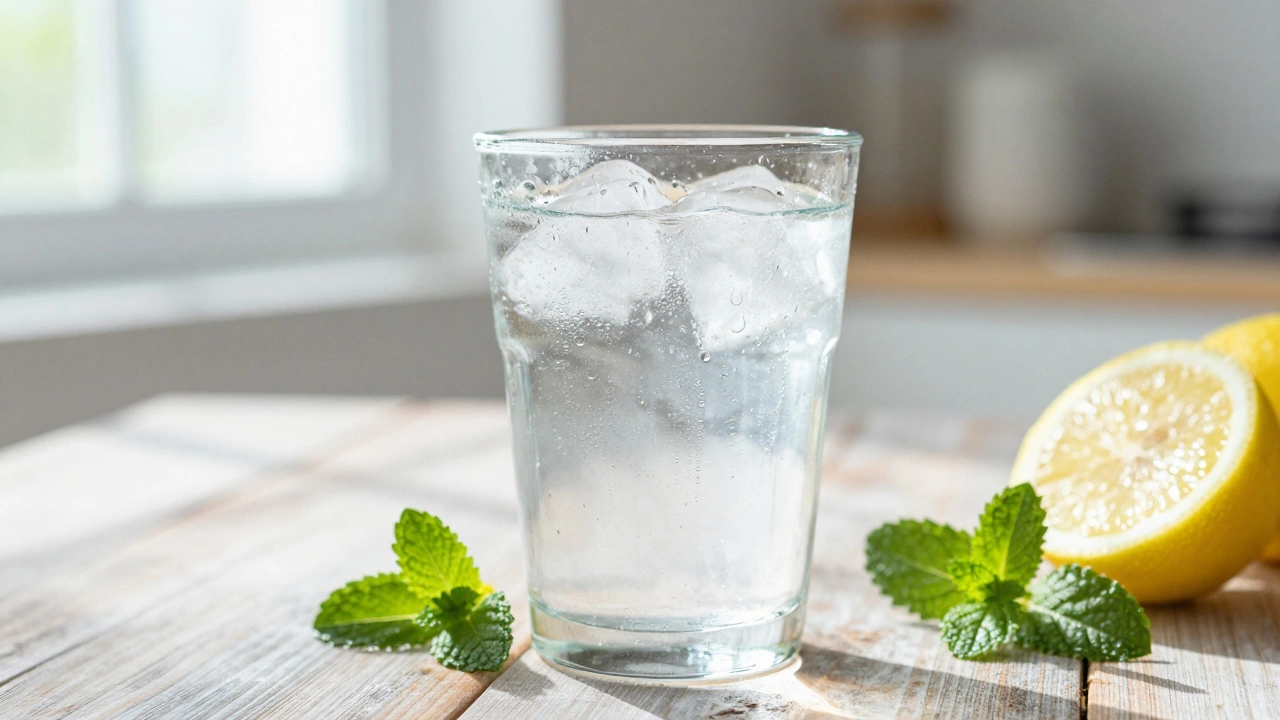
If you’re looking for the absolute best beverage to support weight loss, it’s not a fancy herbal blend or an expensive supplement-it’s water. Plain, simple, and free. Studies consistently show that drinking water before meals helps reduce calorie intake. A classic study published in the Obesity journal found that participants who drank 500ml of water 30 minutes before meals lost significantly more weight over 12 weeks compared to those who didn’t.
Why does this work? Water fills your stomach, sending signals to your brain that you’re full. It also requires energy to process-your body uses calories to warm cold water to body temperature, though this effect is minor. More importantly, water replaces high-calorie beverages. Swap one soda a day (about 140 calories) for water, and you could lose nearly 13 pounds in a year without changing anything else.
In Pune, where temperatures often soar above 35°C in summer, staying hydrated isn’t just about weight loss-it’s essential for health. Dehydration can mimic hunger cues, leading you to eat when you don’t need to. Keep a reusable bottle handy, and aim for at least 2-3 liters daily, depending on activity level.
Green Tea: The Mild Metabolism Booster
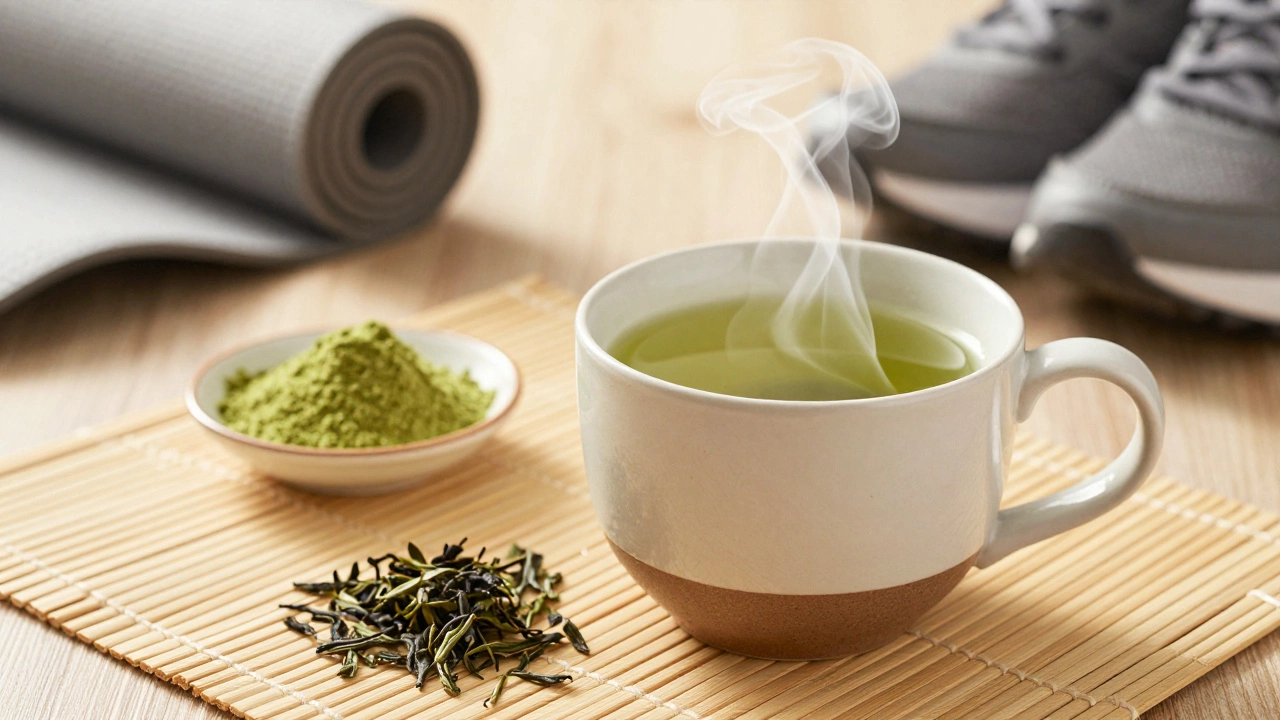
When people ask about weight loss drinks, green tea usually comes up first. And for good reason. Green tea contains two key compounds: caffeine and epigallocatechin gallate (EGCG), a type of antioxidant called a catechin. Research suggests these may enhance fat burning, especially during physical activity.
A meta-analysis in the International Journal of Obesity reviewed multiple studies and concluded that green tea extract led to modest weight loss-about 1.3 kg over 12 weeks-compared to placebo. That’s not dramatic, but it’s real. The mechanism involves increased thermogenesis (heat production) and fat oxidation. Think of it as giving your metabolism a tiny nudge, not a rocket boost.
To get benefits, drink 2-3 cups of brewed green tea daily. Avoid powdered extracts unless supervised by a healthcare provider, as high doses have been linked to liver issues in rare cases. Matcha, a finely ground form of green tea, offers higher concentrations of EGCG but also more caffeine-so watch your intake if you’re sensitive.
One thing to remember: green tea won’t cancel out a poor diet. It works best alongside whole foods, regular movement, and adequate sleep. And yes, adding milk or sugar turns it into a less effective option.
Black Coffee: Appetite Suppressor and Performance Enhancer
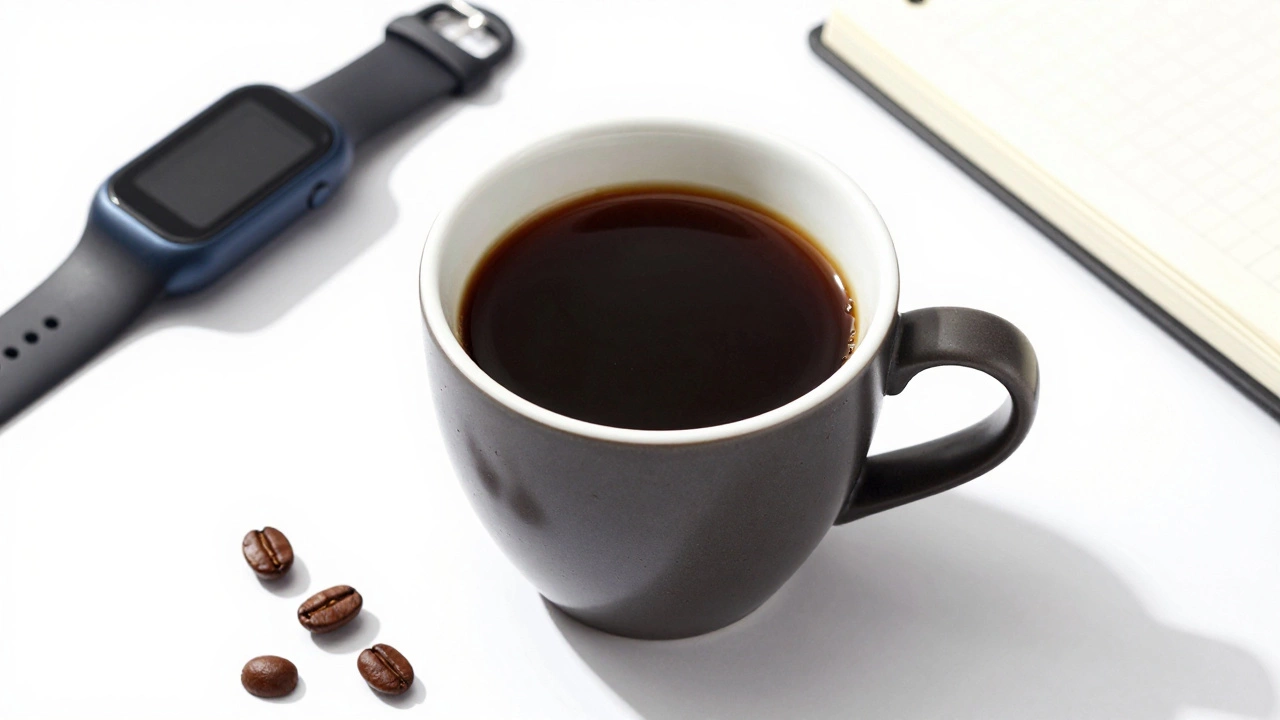
Coffee gets a bad rap sometimes, but black coffee-without cream, sugar, or syrups-is a powerful ally in weight management. Caffeine stimulates the central nervous system, which can temporarily increase metabolic rate by 3-11%. More practically, many people find coffee reduces their desire to snack between meals.
A study in the Journal of Clinical Endocrinology & Metabolism showed that caffeine improved endurance performance by up to 12%, meaning you might push harder during workouts and burn more calories overall. Just stick to 1-2 cups early in the day to avoid disrupting sleep, since poor rest is strongly linked to weight gain.
Be cautious with commercial "coffee drinks" like frappuccinos or caramel macchiatos. A large version can contain over 500 calories and 50g of sugar-more than a dessert. Brew it yourself or order it black to keep it lean.
Apple Cider Vinegar: Mixed Evidence, Low Risk
Apple cider vinegar (ACV) has surged in popularity thanks to social media influencers claiming it dissolves fat overnight. The science doesn’t fully back this up, but there’s some promise. A small Japanese study published in Bioscience, Biotechnology, and Biochemistry found that participants who took 15-30ml of ACV daily lost 1-2 kg over 12 weeks and saw reductions in belly fat and triglycerides.
The proposed mechanism involves acetic acid slowing down digestion, which may help stabilize blood sugar levels and reduce cravings. Some people report feeling fuller longer after meals when they consume diluted ACV beforehand.
However, results are inconsistent across studies. Larger trials haven’t replicated the same magnitude of effect. Also, never drink ACV straight-it’s highly acidic and can damage tooth enamel or irritate the throat. Always dilute 1-2 tablespoons in a glass of water, preferably before meals.
If you try it, monitor how your body responds. Not everyone tolerates ACV well, and it may interact with certain medications like diuretics or insulin. Consult your doctor if you have diabetes or kidney conditions.
Drinks to Avoid If You Want to Lose Weight
Knowing what to drink is only half the battle. Equally important is knowing what to skip. Here are common beverages that sabotage weight loss efforts:
- Sugary sodas: One can contains around 40g of added sugar and 140+ calories. Regular consumption is linked to visceral fat accumulation.
- Fruit juices: Even 100% orange juice lacks fiber and delivers concentrated sugar. One cup equals roughly three oranges’ worth of fructose without the satiating bulk.
- Alcohol: Beer, wine, and cocktails add empty calories and impair judgment around food choices. Alcohol also pauses fat burning as the body prioritizes metabolizing ethanol.
- Flavored yogurts and smoothies: Many store-bought versions contain as much sugar as soda. Check labels carefully-look for under 10g of added sugar per serving.
Even "healthy" sounding drinks like detox waters or electrolyte-enhanced beverages can hide sugars or artificial sweeteners. Read ingredient lists. If you crave flavor, infuse water with lemon, cucumber, mint, or berries naturally.
Comparison Table: Top Weight-Supportive Drinks
| Drink | Calories (per serving) | Key Benefit | Evidence Strength | Best For |
|---|---|---|---|---|
| Water | 0 | Increases satiety, replaces high-calorie drinks | Strong | Everyone |
| Green tea | 0-2 | Mild fat oxidation boost via EGCG + caffeine | Moderate | Active individuals |
| Black coffee | 0-5 | Appetite suppression, pre-workout energy | Moderate | Morning routine users |
| Apple cider vinegar (diluted) | 3-5 | Possible blood sugar stabilization | Weak/Mixed | Those managing insulin sensitivity |
| Herbal teas (peppermint, chamomile) | 0 | Hydration without stimulants | Low (indirect benefit) | Evening relaxation, non-caffeine seekers |
How to Build a Daily Hydration Routine for Weight Loss
Drinking the right things matters, but timing and consistency matter more. Here’s a practical approach:
- Morning: Start with a large glass of water upon waking. Rehydrates after sleep and kickstarts digestion.
- Before meals: Drink 1-2 glasses of water 20-30 minutes before eating. Helps control portion sizes.
- Mid-morning: Have a cup of green tea or black coffee if tolerated. Provides gentle energy without spiking blood sugar.
- Afternoon slump: Instead of reaching for snacks, sip water or herbal tea. Often, thirst masquerades as hunger.
- Post-workout: Rehydrate with water plus electrolytes if sweating heavily. Skip sugary sports drinks unless doing intense endurance training.
- Evening: Wind down with caffeine-free herbal tea. Supports better sleep, which regulates hunger hormones like ghrelin and leptin.
Track your intake using apps or marked bottles. Aim for pale yellow urine-a sign of proper hydration. Darker shades mean you need more fluids.
Common Myths Debunked
Let’s address some persistent misconceptions:
- Myth: Detox teas cleanse your system and burn fat.
Truth: Your liver and kidneys handle detoxification. Most "detox" teas contain laxatives that cause temporary water loss, not fat loss. - Myth: Lemon water melts belly fat.
Truth: Lemon adds vitamin C and flavor but doesn’t accelerate lipolysis. Any benefit comes from replacing sugary drinks. - Myth: Drinking ice-cold water drastically boosts metabolism.
Truth: The thermogenic effect exists but burns fewer than 10 extra calories per liter-not enough to impact weight meaningfully. - Myth: Fat-burning supplements in liquid form work faster.
Truth: Pills and liquids absorb similarly. Regulation varies widely, and many products lack clinical validation.
If a product sounds too good to be true, it probably is. Sustainable weight loss relies on consistent habits, not shortcuts.
Special Considerations
Some groups need extra caution:
- Pregnant women: Limit caffeine to 200mg/day (about one 8oz coffee). Avoid herbal teas unless approved by a provider.
- People with GERD: Acidic drinks like ACV or citrus water may worsen reflux. Stick to plain water or alkaline options.
- Kidney disease patients: Monitor fluid intake as advised. High potassium content in coconut water or banana smoothies can be risky.
- Diabetics: Be wary of hidden sugars in flavored waters or "health" drinks. Choose unsweetened varieties.
Always consult a registered dietitian or physician before making significant dietary changes, especially if managing chronic conditions.
Final Thoughts: What Should You Actually Drink?
So, back to the original question: what is the number one weight loss drink? The answer remains water. It’s safe, accessible, scientifically supported, and foundational to every other strategy. Green tea and black coffee offer mild advantages for specific goals, but they’re enhancements, not replacements.
Forget chasing miracle elixirs. Focus on building routines that make healthy choices automatic. Fill your fridge with infused waters, keep a kettle ready for tea, and carry a reusable bottle everywhere. Small shifts compound over time.
And if you ever feel overwhelmed by conflicting advice online, remember this: your body responds best to simplicity, consistency, and patience. No drink will undo years of neglect-but the right ones can help you build healthier patterns moving forward.
Does drinking hot water help burn fat?
Hot water may aid digestion and provide comfort, but it doesn’t directly increase fat burning. The slight caloric cost of warming cold water is negligible. Temperature preference shouldn’t drive your choice-consistency does.
Can I lose weight by only drinking green tea?
No. Green tea alone cannot create the calorie deficit needed for weight loss. Without reducing overall caloric intake or increasing physical activity, relying solely on green tea will yield minimal results. Use it as a supportive tool, not a standalone solution.
Is apple cider vinegar safe for daily use?
For most healthy adults, diluted apple cider vinegar (1-2 tbsp in water) taken once daily appears safe. However, long-term effects aren’t fully studied. Those with digestive sensitivities, dental erosion concerns, or medication interactions should consult a healthcare provider first.
Do protein shakes count as weight loss drinks?
Protein shakes aren’t inherently fat-burning, but they support muscle preservation during weight loss and promote satiety. When used to replace high-calorie meals or post-workout snacks, they can contribute positively. Choose low-sugar, whey or plant-based options aligned with your dietary needs.
How much water should I drink daily for weight loss?
General guidelines suggest 2-3 liters per day for adults, adjusted for climate, activity level, and body size. In hot climates like Pune, increase intake accordingly. Listen to your body-drink when thirsty, and check urine color as a hydration indicator.
Are electrolyte drinks good for weight loss?
Most commercial electrolyte drinks contain added sugars that counteract weight loss goals. Opt for sugar-free versions or homemade mixes with salt, lemon, and water. Reserve sugary sports drinks for prolonged intense exercise lasting over 60-90 minutes.
Can herbal teas replace water for hydration?
Herbal teas contribute to daily fluid intake and are hydrating, but they shouldn’t completely replace plain water. Some herbs have diuretic properties, potentially increasing fluid loss. Balance herbal consumption with adequate water throughout the day.
Does fasting with only water speed up weight loss?
Intermittent fasting combined with water-only periods can enhance calorie restriction and improve insulin sensitivity. However, extended water fasts require medical supervision due to risks of nutrient deficiency, dehydration, and metabolic slowdown. Shorter windows (12-16 hours) are safer for general populations.
What’s the best time to drink green tea for maximum benefit?
Morning or mid-afternoon works best, avoiding late evening to prevent sleep disruption. Consuming green tea 30-60 minutes before exercise may enhance fat oxidation. Pair it with light activity for optimal synergy.
Can carbonated water hinder weight loss?
Plain sparkling water has no negative impact on weight loss. Some people experience bloating or reduced appetite from carbonation, which could indirectly help or hinder progress depending on individual response. Flavored varieties with artificial sweeteners remain controversial; choose wisely based on personal tolerance.
For further reading on global wellness trends and verified resources, you might explore this directory, which curates trusted information across diverse regions-including insights relevant to holistic lifestyle planning beyond conventional fitness circles.