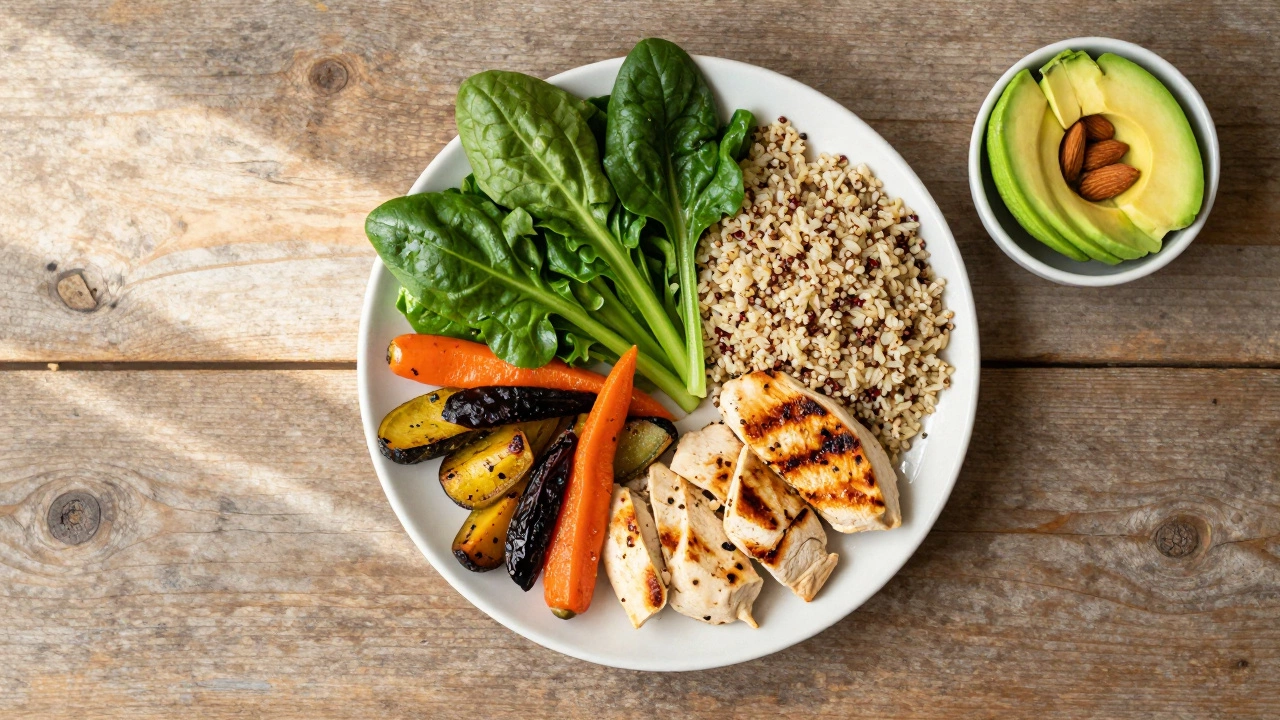
40-30-30 Macro Calculator
Enter your target daily calorie intake to see exactly how many grams of carbs, protein, and fat you should consume.
Energy Source
Tissue Repair
Hormone Health
You’ve probably seen numbers like "eat this, not that" or heard about cutting out carbs entirely. It’s exhausting. That’s why the 40-30-30 rule has gained so much traction lately. It isn’t a fad diet with strict bans. Instead, it’s a flexible framework for balancing your plate. The idea is simple: aim for 40% of your daily calories from carbohydrates, 30% from protein, and 30% from fats. This approach helps you feel full, maintain energy levels, and support muscle health while losing weight.
When I talk to people in Pune about their fitness journeys, most struggle with hunger. They cut calories too aggressively and end up crashing by 3 PM. The 40-30-30 split solves this by ensuring you get enough fuel. It’s not about counting every single calorie obsessively. It’s about understanding where those calories come from. If you’re looking for other structured approaches to lifestyle management, some people find organization tools helpful; for instance, this directory shows how categorized listings can simplify decision-making in complex markets, though here we focus on food.
Breaking Down the Macros
To understand the 40-30-30 rule, you need to know what macronutrients do. Carbohydrates are your body’s primary energy source. Protein builds and repairs tissues. Fats support hormone production and nutrient absorption. The 40-30-30 model assigns specific percentages of your total daily caloric intake to each group.
Let’s say you need 2,000 calories a day to maintain your current weight. To lose weight, you might aim for a 1,700-calorie deficit. Here is how the math works:
- Carbohydrates (40%): Each gram provides 4 calories. So, 40% of 1,700 is 680 calories. Divide by 4 to get 170 grams of carbs.
- Protein (30%): Each gram provides 4 calories. 30% of 1,700 is 510 calories. Divide by 4 to get 127.5 grams of protein.
- Fats (30%): Each gram provides 9 calories. 30% of 1,700 is 510 calories. Divide by 9 to get 56.6 grams of fat.
This breakdown ensures you aren’t starving yourself of any essential nutrient. Many diets fail because they eliminate one group entirely. Low-carb diets can leave you feeling sluggish. High-fat diets might be hard to sustain socially. The 40-30-30 rule offers a middle ground that feels sustainable long-term.
Why This Ratio Works for Fat Loss
The science behind this ratio lies in satiety and metabolism. Protein has a high thermic effect, meaning your body burns more calories digesting it compared to carbs or fats. By keeping protein at 30%, you boost your metabolic rate slightly. More importantly, protein keeps you full longer. You won’t be raiding the pantry an hour after lunch.
Carbohydrates at 40% provide enough glucose for brain function and physical activity. If you drop carbs too low, you might experience brain fog or irritability. The 40% target allows you to eat fruits, whole grains, and vegetables without guilt. These foods are rich in fiber, which aids digestion and stabilizes blood sugar levels.
Fats at 30% ensure hormonal balance. Your body needs dietary fat to produce hormones like testosterone and estrogen. Cutting fat too low can disrupt your menstrual cycle or lower energy levels. Healthy fats from sources like nuts, avocados, and olive oil also enhance the flavor of your meals, making the diet easier to stick to.
How to Apply the 40-30-30 Rule in Daily Life
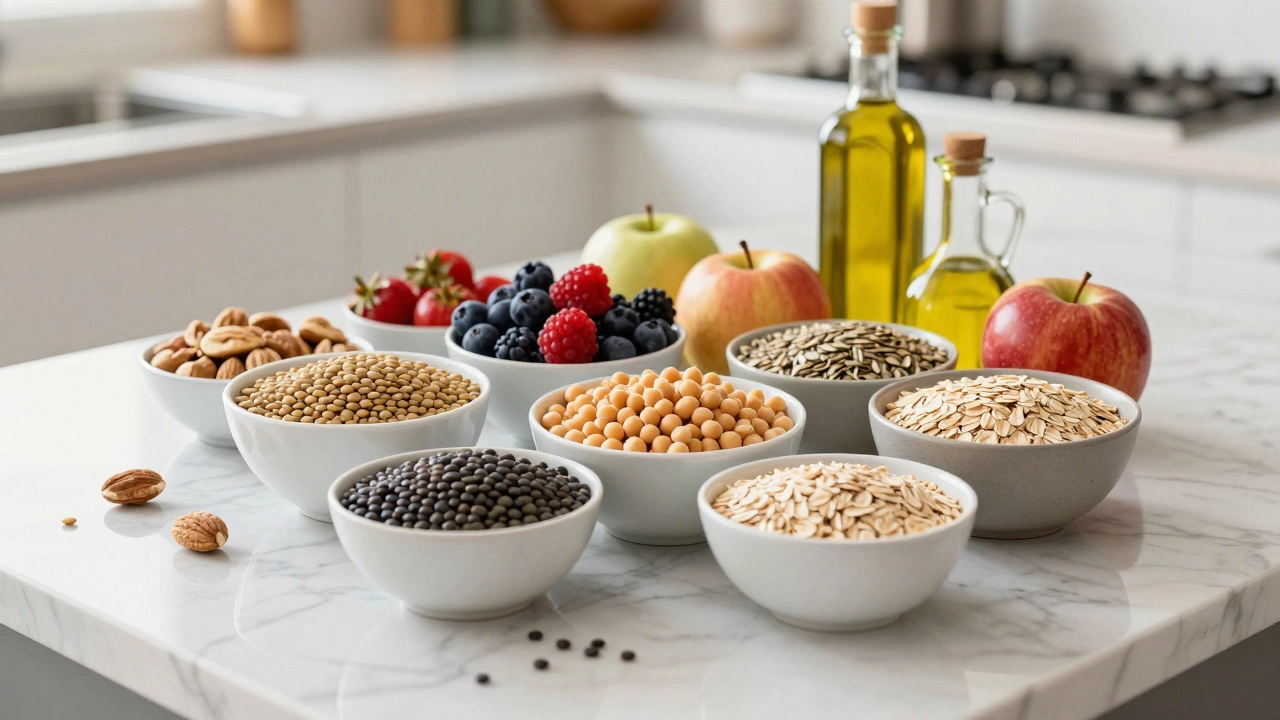
You don’t need a lab to follow this plan. Start by adjusting your plate composition. Visual cues work well when you’re starting out. Aim for half your plate to be vegetables (which count toward carbs but add volume), a quarter to be lean protein, and a quarter to be complex carbohydrates. Add a thumb-sized portion of healthy fats.
Here are practical steps to implement this today:
- Track your intake for three days. Use an app to see where you currently stand. Most people underestimate fat intake and overestimate protein.
- Prioritize protein at every meal. Include eggs, chicken, fish, lentils, or tofu in breakfast, lunch, and dinner.
- Choose complex carbs. Swap white rice for brown rice or quinoa. Replace sugary snacks with fruit or whole-grain crackers.
- Don’t fear healthy fats. Cook with moderate amounts of oil. Snack on a handful of almonds or walnuts.
- Adjust based on activity. If you have a heavy workout day, you might shift slightly more toward carbs (e.g., 45-30-25) to replenish glycogen stores.
Consistency matters more than perfection. Some days you’ll hit your targets exactly. Other days, you might overshoot on carbs at a social event. That’s okay. Look at your weekly average, not just daily fluctuations.
| Diet Type | Carbs (%) | Protein (%) | Fat (%) | Best For |
|---|---|---|---|---|
| 40-30-30 Rule | 40% | 30% | 30% | Balanced weight loss, sustainability |
| Keto | 5-10% | 20-25% | 70-75% | Rapid initial water loss, insulin resistance |
| Atkins (Induction) | Very Low | Moderate | Moderate | Strict carb restriction phase |
| Mediterranean | 50% | 20% | 30% | Heart health, general wellness |

Common Mistakes to Avoid
Even with a solid plan, pitfalls exist. One common error is choosing poor-quality sources. Not all carbs are equal. 170 grams of sugar will hit your macro target but spike your insulin and lead to fat storage. Focus on fiber-rich sources like oats, sweet potatoes, and legumes.
Another mistake is ignoring micronutrients. While the 40-30-30 rule focuses on macros, vitamins and minerals still matter. Eat a rainbow of vegetables to ensure you get enough magnesium, potassium, and vitamin C. Deficiencies can cause fatigue and weaken immunity, derailing your progress.
Finally, don’t forget hydration. Sometimes thirst masks itself as hunger. Drinking water before meals can help you stay within your calorie limits naturally. Aim for at least 2-3 liters a day, especially if you live in a warm climate like Pune.
Is the 40-30-30 Rule Right for Everyone?
It works well for most people seeking gradual, sustainable weight loss. However, individual needs vary. Athletes with high endurance demands might need more carbs. Bodybuilders focusing on muscle gain might increase protein further. People with certain medical conditions, such as kidney disease, should consult a doctor before increasing protein intake significantly.
If you find 30% protein difficult to achieve, start smaller. Increase it gradually over weeks. Your digestive system needs time to adapt to higher fiber and protein loads. Listen to your body. If you feel bloated or lethargic, adjust your portions or food choices.
Can I drink alcohol on the 40-30-30 rule?
Yes, but carefully. Alcohol contains 7 calories per gram and no nutritional value. It fits into none of the three macro categories directly. If you drink, reduce your fat or carb intake for the day to accommodate the empty calories. Moderation is key to staying on track.
Do I need to weigh my food every day?
Not necessarily. Weighing food helps initially to understand portion sizes. After a few weeks, you can use visual estimates. A deck of cards equals about 3 ounces of protein. A fist equals about 1 cup of carbs or vegetables. Practice makes perfect.
What if I miss my protein goal one day?
Don’t panic. One off-day won’t ruin your progress. Aim to hit your average over the week. Consistency over time matters more than daily perfection. Just get back on track with your next meal.
Is this better than Keto?
It depends on your goals. Keto may offer faster initial weight loss due to water weight drop. However, the 40-30-30 rule is often easier to maintain long-term because it doesn’t restrict entire food groups. Sustainability leads to lasting results.
Can vegetarians follow the 40-30-30 rule?
Absolutely. Combine plant proteins like lentils, chickpeas, tofu, and quinoa to meet your protein needs. You might need to eat larger volumes of food to hit the same protein grams, so adjust your calorie density accordingly.