
Blood Test Detection Gap Analyzer
Assess Your Screening Coverage
Select any symptoms or risk factors you currently have to see which cancers might evade standard blood detection.
Brain Tumors
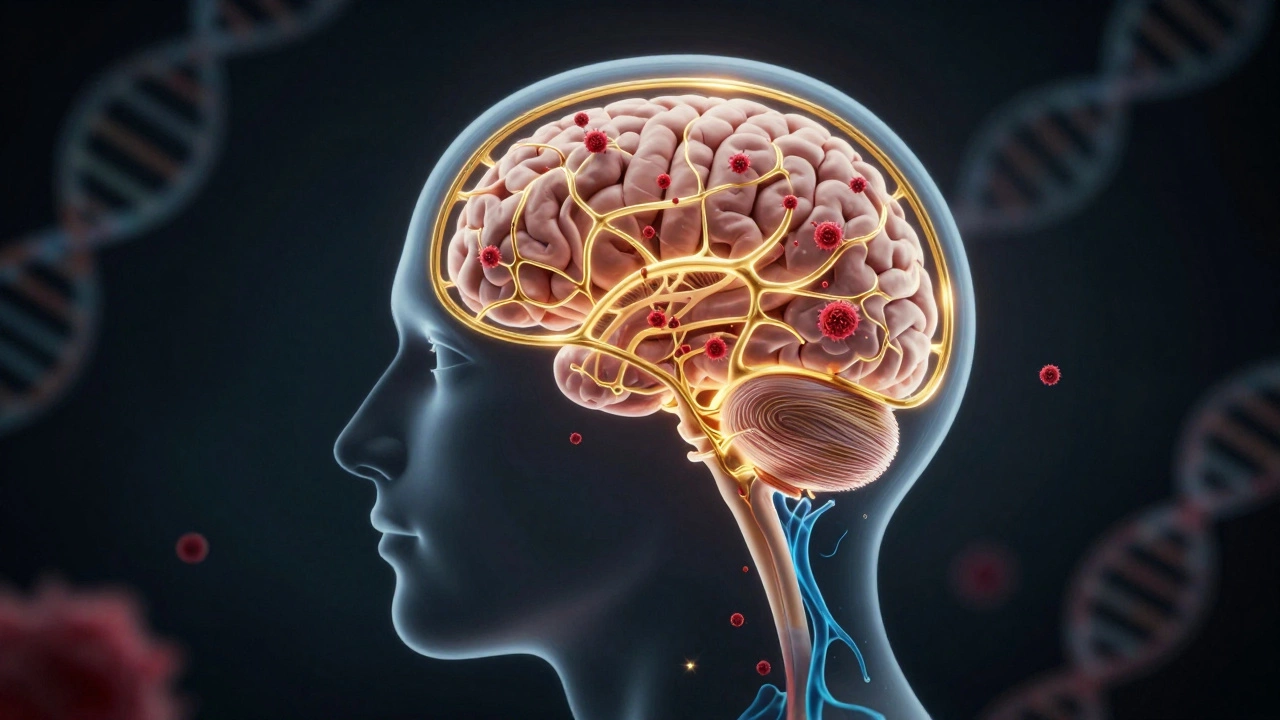
Standard blood tests typically cannot detect brain tumors due to the Blood-Brain Barrier preventing tumor markers from entering circulation.
Pancreatic Cancer
Pancreatic cancer often shows no abnormalities in routine blood work until advanced stages. Tumor markers like CA 19-9 are not reliable for screening healthy individuals.
General Screening Recommendations
Based on your profile, consider discussing these additional screening options with your doctor:
You get your annual health checkup. The doctor orders a complete blood count (CBC) and a comprehensive metabolic panel. You wait nervously for the results. When they come back, everything looks normal. Your white blood cell count is fine. Your liver enzymes are stable. You breathe a sigh of relief, assuming you’re in the clear.
But here’s the uncomfortable truth: that clean bill of health from your blood work doesn’t guarantee you don’t have cancer. In fact, many aggressive and deadly cancers leave almost no trace in standard blood tests until they reach advanced stages. Relying solely on blood work for peace of mind can be dangerous. It creates a false sense of security while a tumor grows silently elsewhere in your body.
To understand why this happens, we need to look at what blood tests actually measure and which types of cancer fly under the radar. This isn’t about fear-mongering; it’s about knowing how to protect yourself with the right screening tools.
The Myth of the "Universal" Cancer Blood Test
Many people believe there is a single blood test that can detect all cancers. This is a misconception. While liquid biopsies and circulating tumor DNA (ctDNA) tests are advancing rapidly, they are not yet standard for general population screening. Most routine blood work checks for general health indicators, not specific cancer cells.
Doctors do use Tumor Markers, which are substances produced by cancer cells or by the body in response to cancer. Examples include PSA for prostate cancer, CA-125 for ovarian cancer, and CEA for colorectal cancer. However, these markers have significant limitations:
- False Negatives: Many early-stage cancers do not produce enough markers to raise levels above the normal range.
- False Positives: Non-cancerous conditions like inflammation, infection, or benign tumors can elevate marker levels.
- Lack of Specificity: A high level might indicate cancer, but it rarely tells you exactly where it is or what type it is without further imaging.
This is why oncologists emphasize that tumor markers are primarily used to monitor treatment response in diagnosed patients, not to screen healthy individuals.
Cancers That Often Evade Blood Detection
Some cancers are particularly good at hiding from blood tests. These tumors may grow large and even spread before showing any abnormality in a CBC or basic chemistry panel. Here are the most common culprits:
1. Brain Tumors
Brain tumors are notoriously difficult to detect via blood work. The Blood-Brain Barrier is a selectively permeable border that prevents most substances in the blood from entering the brain. This barrier protects the brain from toxins but also keeps tumor markers contained within the central nervous system. As a result, blood tests often appear completely normal even in the presence of a glioma or meningioma. Diagnosis usually requires MRI or CT scans prompted by symptoms like persistent headaches, vision changes, or seizures.
2. Pancreatic Cancer
3. Kidney Cancer (Renal Cell Carcinoma)
Kidney cancer can grow quite large before causing symptoms or altering blood counts. Early-stage renal cell carcinoma typically does not affect kidney function significantly enough to change creatinine or urea levels in a standard metabolic panel. Hematuria (blood in urine) might be present, but it’s not always visible to the naked eye and requires a urinalysis, not just blood work. Ultrasound or CT scans are the primary diagnostic tools here.
4. Ovarian Cancer
Ovarian cancer is another stealthy disease. The CA-125 marker is often cited, but it has low sensitivity for early-stage disease. Many women with stage I or II ovarian cancer have normal CA-125 levels. Furthermore, CA-125 can rise due to menstruation, pregnancy, or endometriosis. Because of this unreliability, transvaginal ultrasound and physical exams remain key components of evaluation for women with risk factors or symptoms like bloating and pelvic pain.
5. Thyroid Cancer
Most thyroid cancers are slow-growing and do not alter thyroid hormone levels (TSH, T3, T4) in the blood. You can have a functioning thyroid gland with a malignant nodule, and your blood work will show perfect hormonal balance. Diagnosis relies on palpation during physical exams and ultrasound imaging of the neck, followed by fine-needle aspiration biopsy if a suspicious nodule is found.
| Cancer Type | Common Blood Marker | Reliability for Early Detection | Primary Diagnostic Tool |
|---|---|---|---|
| Brain Tumor | None reliable | Very Low | MRI / CT Scan |
| Pancreatic Cancer | CA 19-9 | Low | CT Scan / Endoscopic Ultrasound |
| Kidney Cancer | None specific | Low | Ultrasound / CT Scan |
| Ovarian Cancer | CA-125 | Moderate/Low | Transvaginal Ultrasound |
| Thyroid Cancer | TSH/T3/T4 (Hormones) | Low (for cancer specifically) | Neck Ultrasound / Biopsy |
| Prostate Cancer | PSA | Moderate | Digital Rectal Exam / MRI |
Why Do Some Cancers Hide From Blood Tests?
The reason some cancers evade blood detection comes down to biology and location. Solid tumors that do not shed cells into the bloodstream easily, or those located behind protective barriers like the skull or peritoneum, are harder to detect. Additionally, early-stage tumors are small and metabolically quiet. They haven’t started consuming enough resources or releasing enough waste products to disrupt the body’s homeostasis.
Anemia (low red blood cell count) is a common sign of advanced cancer, but it’s a late indicator. It occurs when cancer bleeds internally (like colon cancer) or suppresses bone marrow production (like leukemia). Waiting for anemia to appear means waiting too long.
Beyond Blood Work: The Real Pillars of Early Detection
If blood work isn’t enough, what should you rely on? Early detection saves lives, but it requires a multi-modal approach tailored to your age, gender, family history, and lifestyle risks.
1. Imaging Studies
Imaging allows doctors to see inside the body directly. Mammograms for breast cancer, low-dose CT scans for lung cancer in smokers, and colonoscopies for colorectal cancer are proven screening methods. These tests can find polyps or masses years before they cause symptoms or alter blood chemistry.
2. Physical Exams
Don’t underestimate the power of a skilled clinician’s hands. Breast self-exams, testicular self-exams, and professional pelvic or prostate exams can detect lumps or irregularities that no blood test could ever reveal. If you notice a new lump, skin change, or persistent symptom, do not wait for your next blood test. See a doctor immediately.
3. Genetic Counseling and Testing
If you have a strong family history of cancer, genetic testing for mutations like BRCA1/BRCA2 or Lynch syndrome can identify high risk. This allows for earlier and more frequent screening with imaging rather than relying on reactive blood tests.
4. Symptom Awareness
Your body sends signals. Persistent cough, unexplained weight loss, changes in bowel habits, unusual bleeding, or a sore that doesn’t heal are red flags. These symptoms often precede any abnormality in blood work. Ignoring them because "my blood tests were fine" is a critical error.
When Are Blood Tests Useful in Cancer Care?
Blood tests are not useless; they are just misused if relied upon alone for screening. Their true value lies in:
- Monitoring Treatment: Tracking tumor marker levels after surgery or chemotherapy to see if the cancer is responding.
- Diagnosing Blood Cancers: Leukemias and lymphomas originate in the blood or bone marrow, so CBC and peripheral blood smears are diagnostic gold standards here.
- Assessing Organ Function: Checking liver and kidney health before starting toxic chemotherapy drugs.
For solid tumors like breast, lung, or colon cancer, blood tests support the diagnosis but rarely initiate it.
Action Plan: How to Screen Smartly
To ensure you aren’t missing a silent threat, follow these steps based on current medical guidelines:
- Know Your Family History: Document cancers in first-degree relatives. Share this with your doctor.
- Follow Age-Based Screening Guidelines: Start mammograms at 40-50, colonoscopies at 45, and low-dose CTs if you’re a former smoker over 50.
- Perform Regular Self-Exams: Check breasts, testes, and skin monthly. Familiarize yourself with what’s normal for your body.
- Don’t Skip Annual Physicals: Even if blood work is normal, the physical exam and discussion of symptoms are vital.
- Advocate for Yourself: If you feel something is wrong despite normal labs, seek a second opinion or request imaging.
Cancer is diverse, and no single test catches everything. Blood work is a piece of the puzzle, not the whole picture. By combining lab results with imaging, physical exams, and personal vigilance, you build a robust defense against late-stage diagnosis.
Can a complete blood count (CBC) detect cancer?
A CBC can sometimes suggest cancer, particularly blood cancers like leukemia, by showing abnormal white blood cell counts or anemia. However, it cannot detect most solid tumors like breast, lung, or colon cancer in their early stages. Normal CBC results do not rule out cancer.
Why doesn't my doctor order a full-body scan for cancer screening?
Full-body scans expose patients to high levels of radiation and often lead to false positives, resulting in unnecessary biopsies and anxiety. Medical guidelines recommend targeted screening (like mammograms or colonoscopies) based on age and risk factors, which are safer and more effective for early detection.
Are tumor marker blood tests accurate for early detection?
Generally, no. Most tumor markers lack sensitivity for early-stage cancer and specificity for distinguishing cancer from benign conditions. They are best used for monitoring known cancer cases rather than screening healthy individuals.
What symptoms should prompt me to see a doctor even if my blood work is normal?
Unexplained weight loss, persistent fatigue, new lumps, changes in bowel or bladder habits, unusual bleeding, or a cough that won’t go away. These symptoms warrant immediate investigation regardless of recent blood test results.
Is liquid biopsy available for general cancer screening?
As of 2026, liquid biopsies are primarily used for monitoring treatment response and detecting recurrence in patients already diagnosed with cancer. They are not yet approved as standalone screening tools for the general population due to issues with false positives and cost.