Cancer Types: Challenges & Statistics Explained
Data reflects global averages discussed in the associated article.
Overview: Pancreatic Cancer
Most cases detected late when tumor has spread.
Primary Challenge
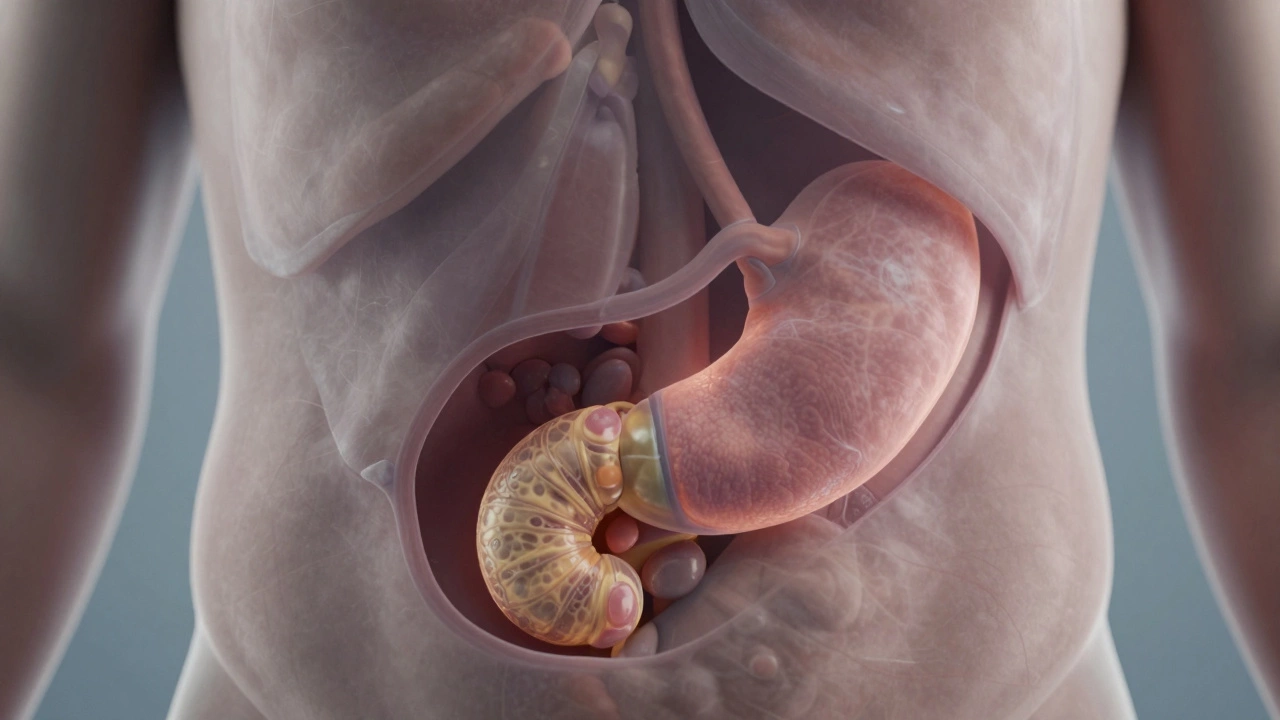
Deep location behind stomach means tumors grow silently without pain until advanced stages. Only ~15% find the surgical window.
Symptoms to Watch For
- Jaundice (yellowing skin)
- Unexplained weight loss
- Persistent abdominal pain
Future Outlook
Liquid biopsies are emerging to detect genetic markers earlier. Early detection remains the only definitive cure path via surgery (Whipple procedure).
People often ask me which cancers are considered the most dangerous. It's a heavy question, but asking it shows you care about health outcomes. When we talk about the "worst" cancers, we aren't ranking them by fear alone. We look at the five-year survival rates, how fast the tumor spreads, and whether current treatments work well enough. Some cancers grow silently until it is too late. Others spread so quickly that doctors struggle to keep up. Understanding this distinction helps you know what symptoms to watch for.
It is crucial to remember that every patient is different. A diagnosis does not seal your fate instantly. Medicine has come a long way since we last looked at these statistics. However, certain types still pose significant challenges compared to others. Today, we will break down the top three most difficult cancers to treat based on global medical data and expert consensus.
Defining the Most Dangerous Cancers
Before listing specific diseases, you need to understand what makes a cancer "worst." Doctors use several metrics to judge severity. One major factor is the Six-Month Survival Rate. If fewer than half of the patients survive six months after diagnosis, that type raises red flags immediately. Another key metric is late-stage detection. Many aggressive tumors do not show pain or swelling early on.
We also consider metastasis speed. This means how fast cancer cells travel to other organs. Once cancer moves from the primary site to the liver, lungs, or brain, it becomes much harder to manage. Finally, treatment resistance plays a role. Some tumors adapt quickly to drugs, making chemotherapy less effective over time. By combining these factors, we can identify the three most challenging conditions currently facing oncology today.
Pancreatic Cancer: The Silent Killer
The first spot on the list is often reserved for Pancreatic Cancera malignancy starting in the pancreas gland. You might wonder why this one is so notorious. The pancreas sits deep behind the stomach and near the spine. Because it is hidden, small tumors do not press on nerves or cause visible lumps. Patients rarely feel sick until the disease reaches advanced stages.
Statistics show that survival rates remain low because most cases are discovered when the tumor has already spread. Surgery, specifically the Whipple procedure, offers a cure, but only if the cancer is still contained within the pancreas. Unfortunately, surgeons find this window in only about fifteen percent of patients. The rest often face systemic issues where the cancer has traveled elsewhere. Even with modern chemotherapy regimens, the outlook remains difficult.
Symptoms to watch for include jaundice, unexplained weight loss, and persistent abdominal pain. Sometimes skin changes happen due to bile duct obstruction. In 2026, genetic testing is becoming more common for high-risk families. Knowing your family history could save you. Early detection tools like liquid biopsies are showing promise in clinical trials, offering hope for catching this earlier than before.
| Cancer Type | Avg. 5-Year Survival | Main Challenge |
|---|---|---|
| Pancreatic Cancer | Approximately 12% | Late detection |
| Lung Cancer | Varies widely | Rapid metastasis |
| Glioblastoma | About 6% | Blood-brain barrier |
Lung Cancer: The Aggressive Spread
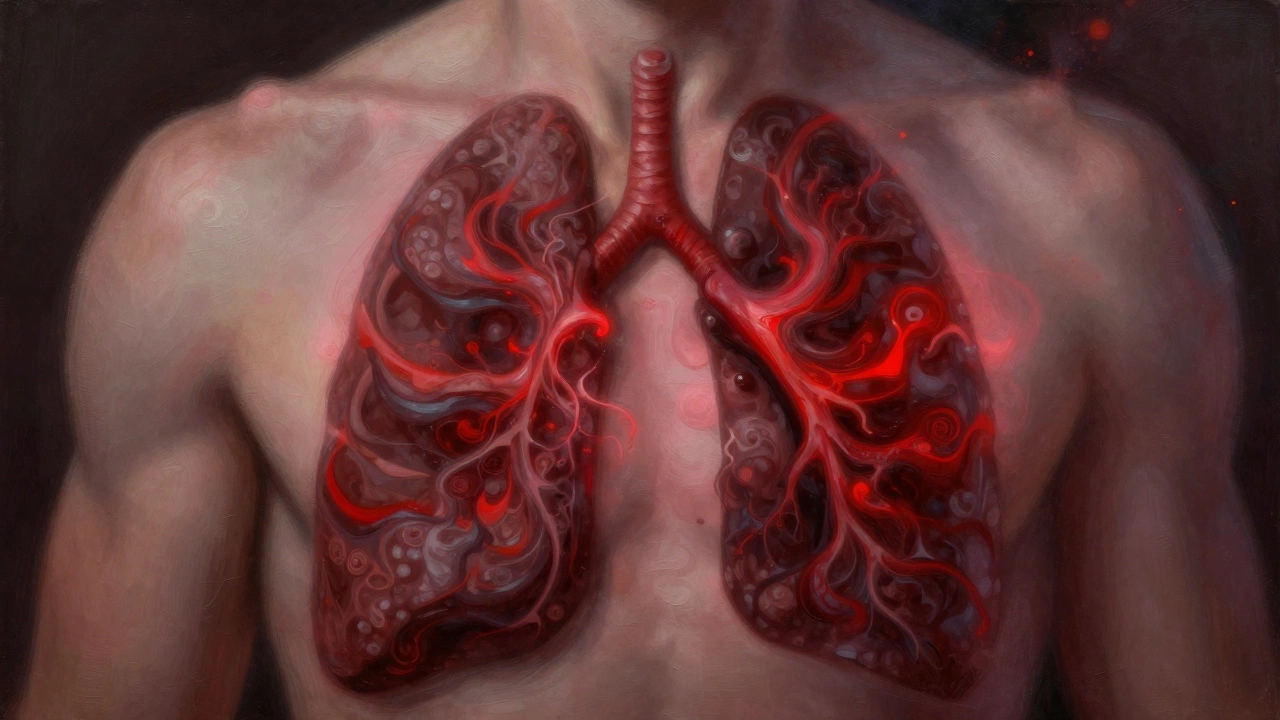
Next on our list is Lung CancerBronchogenic Carcinoma. While smoking rates have dropped in many parts of the world, lung cancer remains a leading cause of death globally. There are two main kinds: Small Cell and Non-Small Cell. Both are serious, but Small Cell grows incredibly fast. It doubles in size faster than almost any other cancer type.
The reason this feels so daunting is that by the time patients cough up blood or experience shortness of breath, the cancer has often gone beyond the lungs. It loves spreading to the adrenal glands, brain, and bones. Despite advancements in targeted therapies, once it spreads, treating it becomes a marathon battle rather than a quick fix. However, low-dose CT scanning has changed things for high-risk smokers. Catching a nodule early allows for surgical removal before it takes hold.
Immunotherapy has been a game-changer recently. Unlike traditional chemotherapy that kills all dividing cells, immunotherapy teaches your own immune system to spot cancer markers. For some patients, this extends life by years. Still, not everyone responds to these drugs. Research continues to find biomarkers that predict who will benefit, ensuring better personalized care plans for those diagnosed.
Glioblastoma: The Brain Barrier
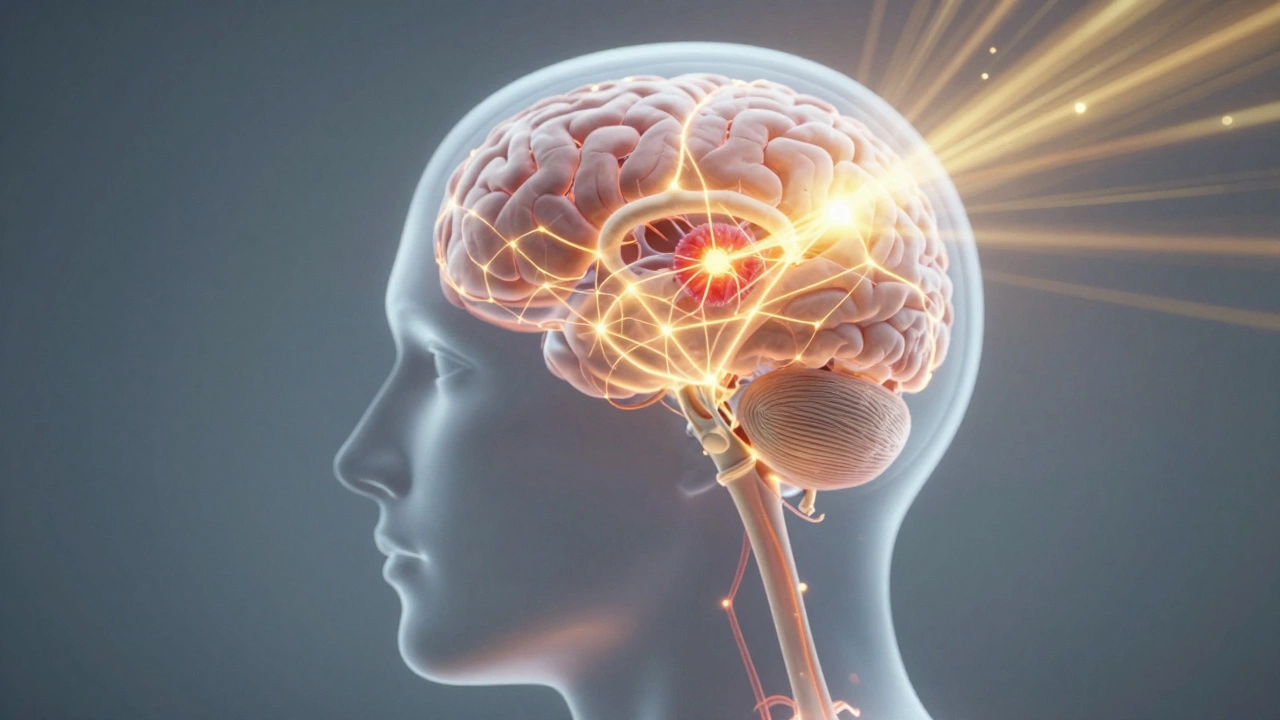
Third, we discuss GlioblastomaThe most aggressive form of brain tumor. This cancer starts in the glial cells of the brain. The danger here lies in the location. Removing brain tissue is delicate work. Neurosurgeons cannot remove everything without risking permanent neurological damage. These tumors infiltrate healthy brain tissue, making clean edges impossible to define.
Even worse, the blood-brain barrier prevents many drugs from entering the brain effectively. Standard chemotherapy struggles to cross this shield to reach the tumor. Radiation helps, but it damages surrounding healthy cells too. Recurrence is extremely common, often happening within months of finishing treatment. Patients face a cycle of shrinking the tumor, seeing it grow back, and repeating the process.
Symptoms vary depending on the tumor's location. Headaches, seizures, and personality changes are common warning signs. Clinical trials are exploring focused ultrasound and laser ablation techniques. These methods aim to heat up the tumor directly while sparing normal tissue. While experimental, they represent a shift towards precision medicine that could eventually improve outcomes significantly.
Treatment Options and Future Hope
It sounds bleak, but giving up on science is not an option. Medical researchers are constantly working on new solutions. ImmunotherapyTherapy using the body's immune system to fight cancer is moving from rare usage to standard care in many hospitals. Drugs that block specific proteins in cancer cells are reducing recurrence rates in certain groups.
Palliative care is another vital component. It focuses on quality of life, managing pain, and supporting mental health. Even if curing the cancer seems distant, keeping the patient comfortable is a priority. Nutrition support teams help maintain strength during harsh treatments. Psychological support is equally important for coping with the emotional toll of a difficult diagnosis.
Prevention strategies exist for some of these risks. Quitting smoking drastically cuts lung cancer risk. Monitoring blood sugar and maintaining a healthy weight may lower pancreatic risks. Family history matters, so genetic counseling could guide you. Awareness saves lives, even if the path forward looks steep.
Frequently Asked Questions
Can you survive pancreatic cancer?
Survival depends heavily on the stage at diagnosis. If the tumor is caught early and removed surgically, long-term survival is possible. Late-stage cases have lower survival probabilities, but palliative treatments help manage symptoms.
Is lung cancer curable in 2026?
Early-stage lung cancer is often curable through surgery and radiation. Advanced stages require long-term management. New drugs are turning advanced lung cancer into a chronic condition for many patients.
Why is glioblastoma so hard to treat?
Its location in the brain makes surgery risky. The blood-brain barrier blocks drugs, and the tumor invades healthy tissue, leaving microscopic cells behind after treatment that lead to recurrence.
What are the symptoms of the deadliest cancers?
Common signs include unexplained weight loss, persistent pain, coughing blood, jaundice, or new headaches. Any sudden change in bodily function warrants a doctor's visit.
Does insurance cover immunotherapy treatments?
Most comprehensive health insurance plans now cover approved immunotherapy medications, though costs vary. Prior authorization is often required, and patient assistance programs can help with out-of-pocket expenses.