Valve Replacement Recovery: What to Expect and How to Heal Faster
When you undergo valve replacement recovery, the process of healing after heart valve surgery to fix a damaged or leaking valve. Also known as heart valve replacement rehab, it’s not just about waiting for the incision to close—it’s about rebuilding strength, stamina, and confidence in your heart’s ability to work again. This isn’t a quick fix. It’s a journey that lasts months, not weeks, and the difference between a smooth recovery and a rough one often comes down to what you do after you leave the hospital.
Most people go home within a week after surgery, but full recovery takes 3 to 6 months. Your heart valve surgery, a procedure to replace a faulty heart valve with a mechanical or biological one changes how your heart pumps, and your body needs time to adapt. You’ll feel tired, sore, and maybe even anxious—those are normal. But the biggest mistake people make? Staying still. Movement is medicine. Walking 10 minutes a day, even if you’re breathless, helps prevent blood clots, keeps your lungs clear, and slowly rebuilds muscle. cardiac rehabilitation, a supervised program of exercise, education, and support designed for heart patients after surgery is one of the most effective tools you have. Studies show people who stick with it return to normal life faster and have fewer readmissions.
Recovery isn’t just physical. You might notice mood swings, trouble sleeping, or a loss of appetite. That’s your body reacting to major stress. Talk to your doctor if you feel overwhelmed. Many hospitals offer support groups—real people who’ve been through it. And don’t ignore warning signs: swelling in your legs, sudden shortness of breath, or fever could mean infection or complications. Call your care team right away.
What you eat matters too. Salt can cause fluid buildup. Sugar can slow healing. Focus on lean proteins, vegetables, and whole grains. Avoid processed foods. Your doctor might put you on blood thinners—those are critical to prevent clots, but they mean you need to be careful with certain foods and other meds. Always check before taking anything new, even herbal supplements.
People often ask: When can I drive? Lift my grandkids? Go back to work? There’s no one-size-fits-all answer. It depends on your age, the type of valve, your job, and how well you’re healing. But most people drive again after 4 to 6 weeks. Lifting more than 10 pounds? Wait at least 3 months. Returning to work? Some people do it in 6 weeks; others need 3 months. Listen to your body, not the clock.
Below, you’ll find real stories and practical advice from people who’ve walked this path—what helped them, what surprised them, and what they wish they’d known sooner. Whether you’re preparing for surgery or months into recovery, these posts give you the no-fluff, real-world guidance you need to heal with confidence.
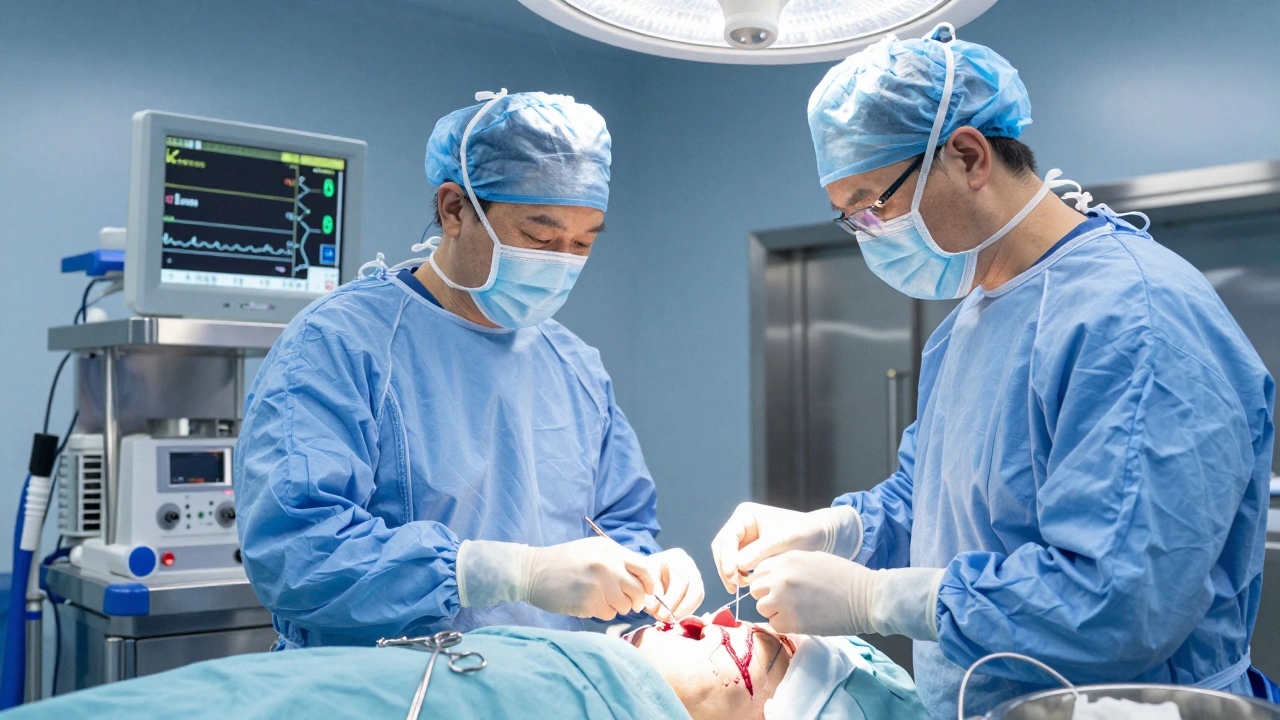
How Long Does Heart Surgery Take? Realistic Timelines for Common Procedures
Heart surgery times vary by procedure: bypasses take 3-6 hours, valve repairs 2.5-4 hours, and transplants 4-8 hours. Recovery takes weeks, not hours. Know what to expect.
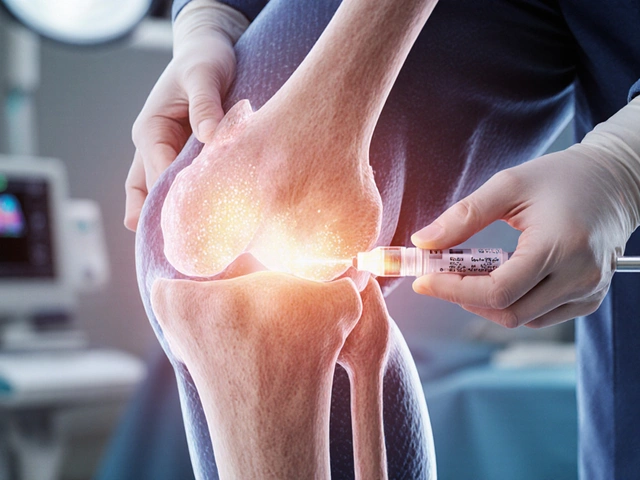
What Is the Newest Alternative to Knee Replacement?
Oct, 30 2025