Coronary Bypass Time: What to Expect Before, During, and After Surgery
When doctors recommend a coronary bypass, a surgical procedure to restore blood flow to the heart by rerouting arteries around blocked vessels. Also known as coronary artery bypass graft (CABG), it’s one of the most common heart surgeries in India, especially for people with severe blockages that meds alone can’t fix. The actual coronary bypass time — how long the surgery lasts — usually runs between 3 to 6 hours. But that’s just the start. What matters more is what happens before you go under, and especially after you wake up.
Recovery time after a coronary bypass isn’t measured in days. Most people are out of the hospital in 5 to 7 days, but full healing takes months. Your chest bone takes 6 to 8 weeks to knit back together, and it can take up to 3 months before you feel like yourself again. Some people need 6 months to a year to fully regain strength. The speed of your recovery depends on your age, overall health, whether you had complications, and — most importantly — how much you move. Doctors push walking the day after surgery because staying still slows healing and increases risks like blood clots and pneumonia.
What you do after surgery matters more than the surgery itself. Many patients don’t realize that lifestyle changes — quitting smoking, eating less salt and sugar, and sticking to daily walks — are what determine if the bypass lasts 10 years or 20. Medications like aspirin, statins, and blood pressure pills aren’t optional. They’re the backup system keeping your new grafts open. And yes, fatigue is normal. So is mood swings. This isn’t just a physical repair; it’s a major life event.
You’ll find real stories here about what recovery actually looks like — from people who went back to work in 8 weeks to those who struggled for over a year. There are posts on how to avoid common mistakes after surgery, what foods help your heart heal, and how to tell if your chest pain is normal or a warning sign. You’ll also see what alternatives exist today — like stents or minimally invasive techniques — and when bypass is still the best choice. This isn’t theory. It’s what people in India are experiencing right now, with real timelines, real setbacks, and real wins.
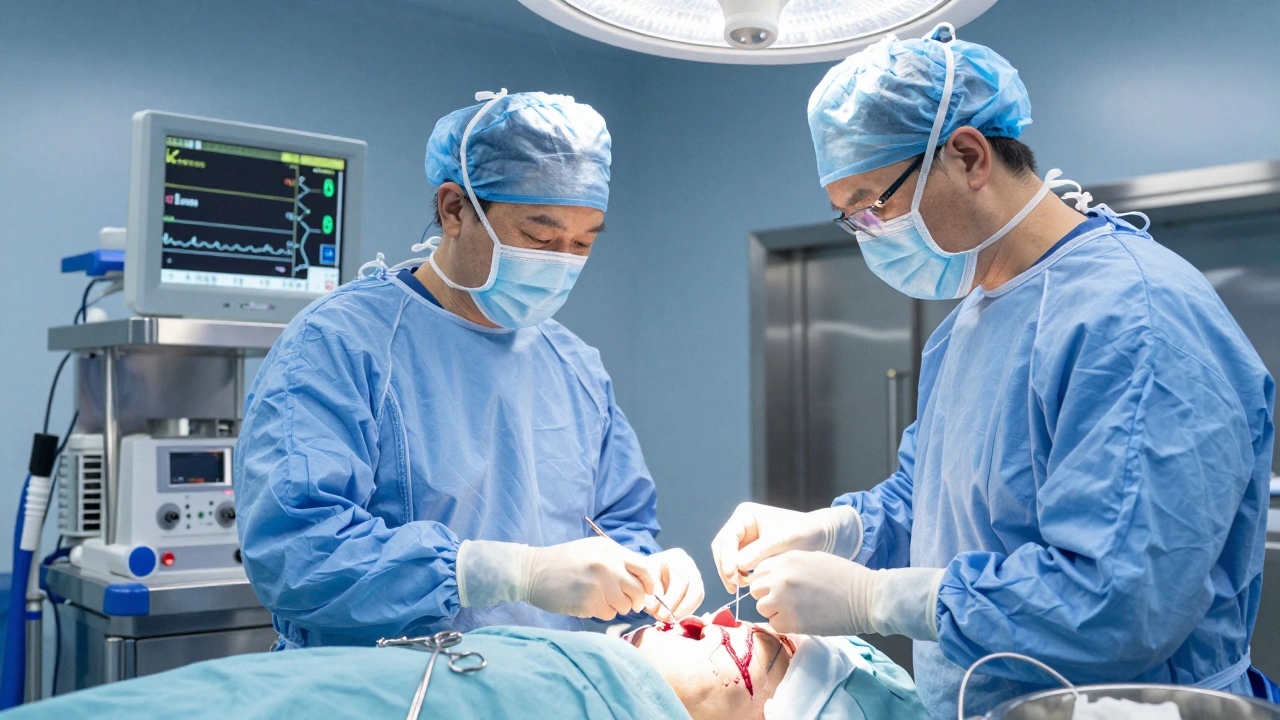
How Long Does Heart Surgery Take? Realistic Timelines for Common Procedures
Heart surgery times vary by procedure: bypasses take 3-6 hours, valve repairs 2.5-4 hours, and transplants 4-8 hours. Recovery takes weeks, not hours. Know what to expect.