Diabetes Treatment Pathway Finder
Select your primary health goal and preferences below. This tool uses clinical data regarding modern therapies (Tirzepatide, SGLT2 Inhibitors, etc.) to suggest a starting conversation point for your next doctor visit.
How it Works (Mechanism)
Primary Benefits
Disclaimer: This tool is for educational purposes based on general medical trends. Always consult your endocrinologist before changing medication.
The Landscape of Diabetes Care in 2026
If you are managing diabetes or supporting someone who does, you likely hear about breakthrough therapies constantly. By 2026, the conversation has shifted significantly from simply lowering blood sugar to reversing weight gain and protecting heart health simultaneously. While insulin remains vital for many, the newest protocols prioritize medications that mimic natural gut hormones to control appetite and glucose metabolism at the same time.
This shift isn't just academic; it changes daily life. You no longer have to choose between controlling your blood sugar and maintaining a healthy weight. The latest approved therapies combine multiple mechanisms of action into single injections, reducing pill burden and improving overall metabolic outcomes. Understanding these options means taking charge of your health plan rather than reacting to symptoms.
Dual and Triple Agonists Leading the Way
The term 'agonist' sounds technical, but it simply means a substance that turns on a specific receptor in your body. Older treatments focused on one pathway. Today, we are seeing powerful combination drugs that target several pathways at once. Tirzepatide is a medication that activates both GLP-1 and GIP hormone receptors. This dual-action approach allows for better glucose control compared to older single-agency drugs.
Clinical data consistently shows that targeting two or more receptors leads to higher weight loss percentages and tighter HbA1c results. Doctors often prescribe this when metformin alone stops working well enough. It works by slowing down digestion, telling the brain you are full, and helping your pancreas release insulin only when needed. This precision reduces the risk of dangerous hypoglycemia compared to some older synthetic drugs.
Beyond just Tirzepatide, we are now entering the era of triple agonists. These experimental yet increasingly available treatments add a glucagon receptor modulator to the mix. This addition helps burn fat even while you rest. For patients struggling with visceral fat around organs, this mechanism offers a new level of protection against heart disease complications.
SGLT2 Inhibitors Remain Essential
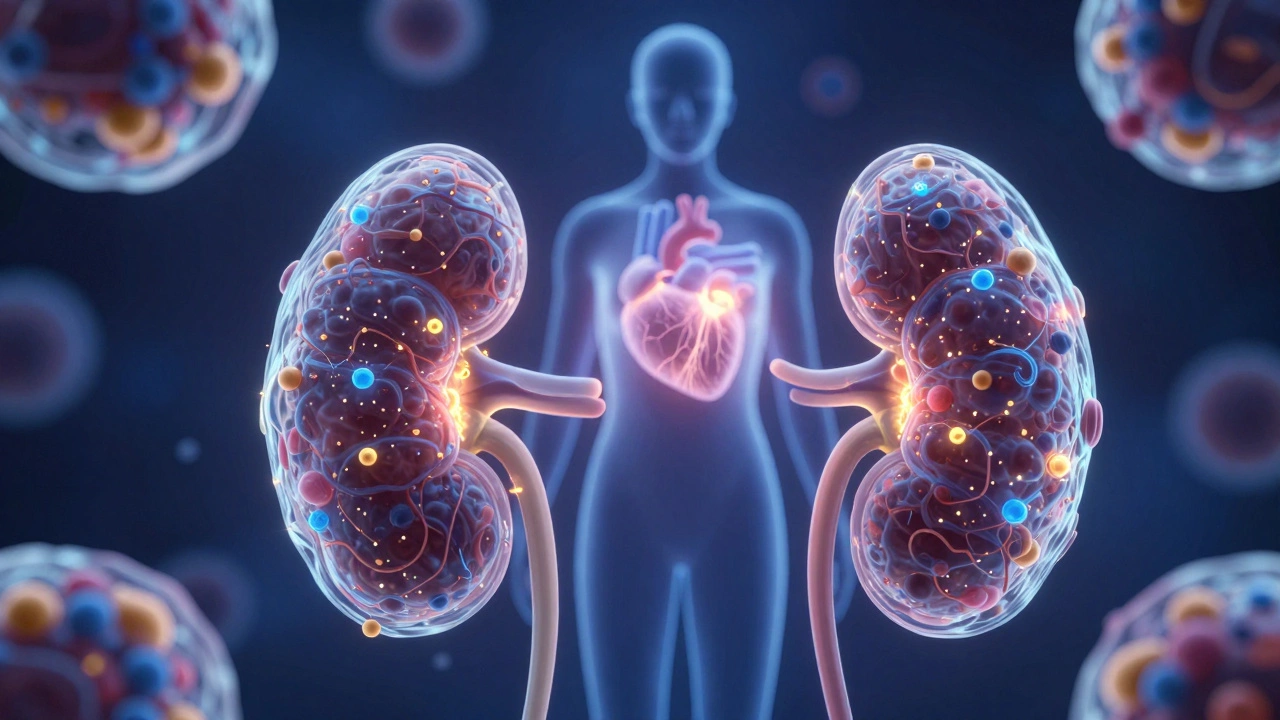
While injectable agonists grab headlines, pills still play a crucial role. Sodium-Glucose Cotransporter-2 inhibitors continue to be a staple in modern diabetes management. SGLT2 Inhibitors are drugs that cause kidneys to remove sugar through urine. Names like empagliflozin or dapagliflozin are familiar to many specialists. They lower blood sugar independent of insulin levels, which makes them very safe for people with type 2 diabetes.
The real benefit here goes beyond sugar numbers. Studies confirm these medicines protect your heart and kidneys specifically. If you have chronic kidney disease alongside diabetes, these drugs slow progression more effectively than traditional oral meds alone. It's not just about the meter reading; it is about organ survival over decades.
Side effects do exist, mostly related to hydration and urinary tract hygiene. Staying hydrated is non-negotiable when using these. However, the trade-off for improved cardiac safety profiles often outweighs these manageable inconveniences. Your healthcare provider will monitor kidney function regularly to ensure the dosage remains optimal for your specific physiology.
Smart Technology Integration
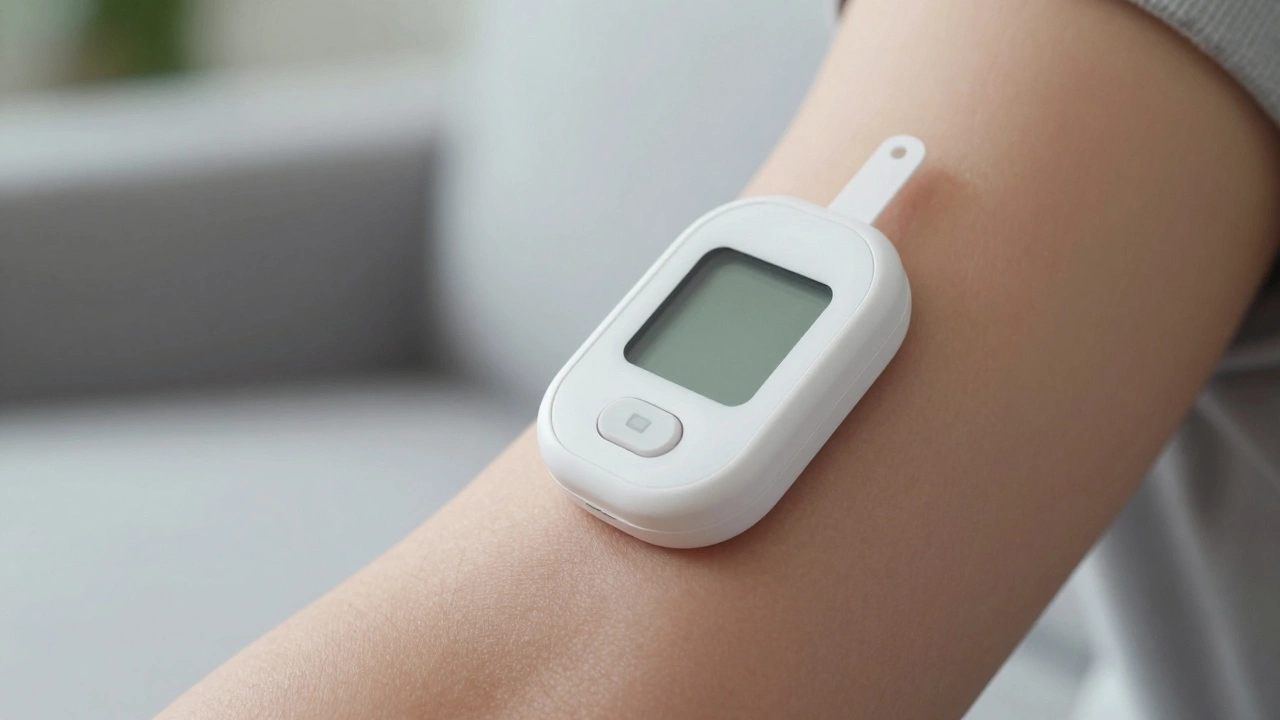
Medicine changes nothing if you cannot measure its impact accurately. We have moved past pricking fingers multiple times a day. Continuous Glucose Monitoring systems are now considered standard care for almost every patient using insulin. Continuous Glucose Monitor is a wearable sensor that tracks interstitial fluid glucose levels in real-time. These small devices send data directly to your phone.
The technology has matured significantly. Alerts can now predict a low blood sugar event minutes before it happens, allowing you to take corrective action. Some advanced models pair with insulin pumps to create a hybrid closed-loop system. Essentially, the device acts like an artificial pancreas, automatically adjusting basal rates based on your activity and food intake patterns.
Insurance coverage has expanded in 2025 and 2026 to support these devices more broadly. No longer are they reserved only for complex cases. Regular users benefit from knowing their true glycemic variability, not just average numbers. This visibility helps adjust dietary choices instantly rather than waiting weeks for lab results.
Lifestyle Medicine as Pharmacotherapy
It is impossible to discuss new treatments without addressing the foundation. Medications work best when supported by nutrition and movement. In 2026, dietitians treat food choices with the same rigor as prescriptions. Low-carbohydrate diets remain effective, especially when combined with GLP-1 therapies, but personalized nutrition plans using gut microbiome analysis are gaining traction.
Exercise prescriptions are becoming more specific too. Instead of vague advice like 'walk more,' you receive tailored resistance training schedules designed to increase insulin sensitivity in muscle tissue. Resistance training forces muscles to absorb glucose without needing as much insulin, directly supporting the pharmacological treatments mentioned earlier.
Weight management programs now integrate with electronic health records. Your doctor sees your food logs and step counts alongside your prescription refills. This holistic view ensures that medication doses are calibrated to actual lifestyle adherence, preventing unnecessary dose escalations that cause side effects.
| Treatment Class | Mechanism of Action | Primary Benefit | Common Side Effect |
|---|---|---|---|
| Tirzepatide | GLP-1 + GIP Agonist | Weight Loss + Sugar Control | Nausea, Diarrhea |
| SGLT2 Inhibitors | Kidney Glucose Excretion | Heart + Kidney Protection | Urinary Tract Infections |
| Insulin Pumps | Subcutaneous Delivery | Flexible Basal Rates | Hypoglycemia Risk |
| DPP-4 Inhibitors | Enzyme Blocker | Gentle Glucose Lowering | Joint Pain |

Accessing New Care Models
Having access to top-tier medicine doesn't mean much if you cannot afford it. Telemedicine platforms have simplified the process of getting specialized care without traveling to major cities. Many insurance carriers now cover remote medication management visits. This reduces barriers for people living in rural areas or those with mobility challenges.
Patient assistance programs run by manufacturers have also streamlined application processes. You do not always need a grant writer anymore; digital verification links directly to pharmacy benefit managers. Cost-sharing reduction cards are easier to find online than physical mail-ins. Always check if the brand-name version offers savings versus switching to a cheaper biosimilar immediately, as efficacy can vary slightly.
Community health centers are increasingly stocking these newer agents to reduce hospital readmissions. The logic is simple: better outpatient control saves millions later. Asking your primary care provider about eligibility for copay coupons is a practical step toward consistent treatment adherence.
Frequently Asked Questions
Is there a cure for type 2 diabetes?
Currently, there is no permanent cure that eliminates the underlying condition forever. However, remission is possible. Remission means blood sugar stays normal without medication. This usually requires significant weight loss and lifestyle changes supported by modern therapies. Think of it as managing the condition so thoroughly it behaves like it is cured.
Can I stop taking Metformin if I start Tirzepatide?
Many doctors transition patients off Metformin if the GLP-1/GIP agent controls blood sugar well alone. It depends on your personal response and liver health. Never stop without medical supervision because rebound hyperglycemia can occur quickly after switching regimens.
Do these new drugs cause hair loss?
Hair thinning is reported rarely with rapid weight loss from these drugs. It is often temporary telogen effluvium due to stress on the body. Ensuring adequate protein intake and vitamins minimizes this risk significantly.
How soon do I see results?
You may notice changes in appetite within days of starting a GLP-1 therapy. Blood sugar improvements typically appear within 4 to 8 weeks. Weight loss takes longer, often plateauing after six months as the body adjusts.
Are these treatments safe for pregnancy?
Most new incretin mimetics require stopping before conception. Insulin remains the safest choice during pregnancy for tight glucose control. Always consult your OB-GYN regarding timing if you are planning a family while on these newer medications.