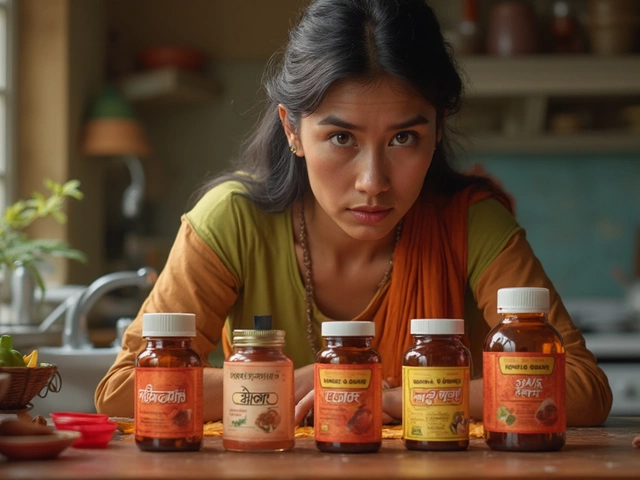
People take herbal supplements for all kinds of reasons-stress relief, better sleep, more energy, or just because they sound natural and safe. But here’s the truth: just because something comes from a plant doesn’t mean it’s harmless. Thousands of people in India and around the world take ashwagandha, turmeric, ginseng, or green tea extract every day without thinking twice. But what happens when those same herbs mix with your blood pressure medicine? Or when you’re preparing for surgery? The risks aren’t always obvious, and the labels don’t always tell you the whole story.
Herbal supplements aren’t regulated like medicines
In India, herbal products fall under the AYUSH ministry’s guidelines, but those rules are far looser than what applies to prescription drugs. Unlike a pill like metformin or atorvastatin, which must prove safety and effectiveness through clinical trials, most herbal supplements don’t need to show they work before hitting the shelves. They also don’t have to list every ingredient clearly. Some products labeled as ashwagandha actually contain fillers, heavy metals, or even hidden pharmaceuticals like steroids or sildenafil. A 2023 study by the Indian Council of Medical Research found that nearly 1 in 5 herbal products tested contained undeclared synthetic drugs.
That’s why buying from a trusted brand matters. Look for products with GMP (Good Manufacturing Practices) certification or those listed under the Ayush 100 program. Avoid random online sellers or street vendors offering "miracle cures." If the price seems too good to be true, it probably is.
Herbs can interact with your medications
You might be taking blood thinners like warfarin, diabetes meds like metformin, or antidepressants like sertraline. Each of these can react dangerously with common herbal supplements.
- St. John’s Wort can make birth control pills, antidepressants, and HIV drugs useless. It’s been linked to treatment failure in people with depression who thought they were getting help.
- Ginkgo biloba and garlic supplements can increase bleeding risk-dangerous if you’re on aspirin or about to have surgery.
- Green tea extract in high doses has been linked to liver damage, especially when taken on an empty stomach.
- Ashwagandha may lower blood pressure and blood sugar. If you’re already on medication for either, you could end up with dizziness, fainting, or hypoglycemia.
These aren’t rare cases. In Pune’s AIIMS hospital, emergency rooms see at least one patient a week with herb-drug interactions. One 62-year-old man took turmeric capsules for joint pain and ended up in the ICU with internal bleeding because he didn’t tell his doctor he was also on clopidogrel.
More isn’t better
People think if a little herbal extract helps, then more must be better. That’s not true. Many herbs have narrow safety windows. For example, kava-used for anxiety-was banned in several countries after causing severe liver injury. Even turmeric, often called a superfood, can cause stomach upset, nausea, or kidney stones if taken in doses over 1,500 mg daily for long periods.
There’s no official daily limit for most herbal supplements because they’re not regulated as drugs. But experts suggest sticking to traditional doses: 300-500 mg of standardized ashwagandha extract once a day, 500 mg of turmeric with black pepper twice daily, or 400 mg of ginseng once a day. More than that? You’re entering uncharted territory.

Some herbs are just not safe for certain people
Herbal supplements aren’t one-size-fits-all. If you’re pregnant, breastfeeding, have liver disease, or are under 18, some herbs can be risky or even harmful.
- Black cohosh and dong quai can affect hormones and are not recommended during pregnancy.
- Ephedra (still found in some weight loss products) can trigger heart attacks or strokes. It’s banned in the U.S. and India, but illegal versions still show up online.
- Comfrey and coltsfoot contain pyrrolizidine alkaloids, which are toxic to the liver. Even topical use isn’t always safe.
Children and elderly people metabolize herbs differently. A dose that’s fine for a 35-year-old might be too strong for a 70-year-old with slower kidney function. Always talk to a doctor before giving herbal supplements to kids or older adults.
Just because it’s traditional doesn’t mean it’s proven
Ayurveda, Traditional Chinese Medicine, and other ancient systems have used herbs for thousands of years. That’s impressive. But tradition doesn’t equal science. Many herbal remedies were passed down because they seemed to help-not because they were tested in controlled studies.
For example, ashwagandha has shown promise in small studies for reducing stress and improving sleep. But those studies involved fewer than 100 people, lasted a few weeks, and didn’t compare it to placebo in a rigorous way. Same with curcumin (the active part of turmeric): lab studies look great, but human trials often show weak or inconsistent results. Don’t assume ancient use = medical proof.
What should you do before taking any herbal supplement?
Here’s a simple checklist before you buy or swallow anything labeled "herbal":
- Check with your doctor-especially if you’re on any prescription drugs, have a chronic condition, or are scheduled for surgery.
- Read the label-look for standardized extracts, dosage amounts, and manufacturer details. Avoid products with vague claims like "100% natural" or "clinically proven" without data.
- Look for third-party testing-brands that use USP, NSF, or ConsumerLab certification are more likely to contain what they say they do.
- Start low-try the lowest recommended dose for a week to see how your body reacts.
- Track your symptoms-note any changes in sleep, digestion, mood, or energy. Report side effects to your doctor.
There’s no shame in asking your doctor, "Is this safe for me?" Most doctors appreciate patients who are informed. If your doctor dismisses herbal supplements outright, consider finding one who understands integrative care. Many hospitals in India now have integrative medicine departments that can guide you safely.

When herbal supplements might actually help
That said, they’re not all dangerous. For some people, under the right conditions, herbal supplements can offer real benefits:
- Ashwagandha may reduce cortisol levels and improve sleep quality in people with chronic stress.
- Probiotics (often considered herbal in traditional use) can help with antibiotic-related diarrhea.
- Peppermint oil capsules are clinically proven to ease IBS symptoms in many people.
- Omega-3s from flaxseed or chia can support heart health when diet alone isn’t enough.
The key? Use them as a complement-not a replacement-for proven treatments. Don’t stop your diabetes medicine because you started taking bitter gourd extract. Don’t skip your cholesterol drug because you’re drinking garlic tea. Herbal supplements can support health, but they’re not magic bullets.
Bottom line: Be smart, not just natural
Herbal supplements aren’t the enemy. But treating them like harmless candy is dangerous. They’re powerful plant chemicals-and like any powerful substance, they need respect. The safest approach is to use them with awareness, under guidance, and with full disclosure to your healthcare provider.
There’s no shortcut to health. No herb will undo years of poor diet, lack of sleep, or chronic stress. But when used wisely, some can help you feel better-without putting your life at risk.
Can herbal supplements replace prescription drugs?
No. Herbal supplements are not approved substitutes for prescription medications. Stopping drugs like insulin, blood pressure pills, or antidepressants to use herbs instead can lead to serious health risks, including hospitalization or death. Always consult your doctor before making any changes to your medication regimen.
Are herbal supplements safe during pregnancy?
Most herbal supplements are not recommended during pregnancy. Herbs like black cohosh, dong quai, and pennyroyal can stimulate uterine contractions or affect hormone levels. Even common ones like ginger, while sometimes used for nausea, should be taken only under medical supervision. Always check with your OB-GYN before taking any supplement while pregnant.
How do I know if a herbal supplement is of good quality?
Look for brands with GMP certification, third-party testing (USP, NSF, or ConsumerLab), and clear labeling of active ingredients and dosages. Avoid products with proprietary blends that hide ingredient amounts. Buy from reputable pharmacies or trusted online retailers with customer reviews and return policies.
Do herbal supplements have side effects?
Yes. Even natural herbs can cause nausea, headaches, dizziness, liver damage, or allergic reactions. Some, like kava or comfrey, can cause severe organ damage. Side effects are often underreported because people don’t connect them to supplements. Always monitor how you feel after starting a new herb.
Can I take herbal supplements before surgery?
No-many herbal supplements increase bleeding risk or interfere with anesthesia. Stop all herbal supplements at least two weeks before any planned surgery. Inform your surgeon and anesthesiologist about everything you’re taking, including teas, tinctures, and capsules. This isn’t optional-it’s critical for your safety.
What to do next
If you’re already taking herbal supplements, don’t panic. But do take action. Make a list of everything you’re using-name, dose, how often. Bring it to your next doctor’s visit. Ask: "Is this safe with my other meds?" If you’re thinking about starting one, wait. Do your research. Talk to someone who understands both modern medicine and herbal traditions. Your health isn’t a gamble. Treat supplements like the powerful tools they are-and use them wisely.