Stage 4 Chemo Benefit-Risk Estimator
Patient & Treatment Profile
Enter Your Details
Select options and click calculate to see an estimated balance of benefits vs. risks.
Potential Benefit
Calculating...
Potential Risk
Calculating...
Key Considerations:
Receiving a stage 4 cancer diagnosis is one of the most terrifying moments in human life. The word "stage 4" implies that the disease has spread beyond its original site to distant organs or tissues. For many patients and their families, the immediate question isn't just about survival-it's about whether the harsh reality of chemotherapy is worth the potential toll on their remaining time. There is no single answer that fits every person. For some, chemo extends life by months or even years with manageable side effects. For others, it may shorten their days without offering significant relief. Understanding this balance requires looking past general statistics and examining your specific cancer type, overall health, and personal goals.
Understanding Stage 4 Cancer and Treatment Goals
To decide if chemotherapy is right for you, you first need to understand what stage 4 means in medical terms. Stage 4, also known as metastatic cancer, indicates that malignant cells have traveled through the bloodstream or lymphatic system to establish new tumors elsewhere in the body. Unlike earlier stages where surgery might remove the entire tumor, stage 4 cancer is generally considered incurable in the traditional sense. However, "incurable" does not mean "untreatable." Many people live for years with stage 4 cancer, managing it like a chronic condition such as diabetes or heart disease.
The primary goal of treatment at this stage shifts from cure to control. Oncologists aim to shrink tumors, slow down growth, and alleviate symptoms caused by the cancer. This approach is often called palliative intent, though it can still involve aggressive treatments like chemotherapy, immunotherapy, or targeted therapy. The decision to start chemo depends heavily on the biology of the cancer. Some cancers, like testicular cancer or certain types of lymphoma, remain highly sensitive to chemotherapy even at stage 4, with high cure rates. Others, like pancreatic cancer or advanced lung cancer, are more resistant, making the risk-benefit analysis much tighter.
What is the main goal of chemotherapy for stage 4 cancer?
The main goal is usually to extend life, shrink tumors to relieve pressure on organs, and manage symptoms, rather than to completely eliminate the disease.
When Chemotherapy Offers Clear Benefits
Chemotherapy works by killing rapidly dividing cells, which includes both cancer cells and healthy cells like those in hair follicles or the digestive tract. Despite its toxicity, chemo remains a cornerstone of cancer treatment because it can dramatically improve outcomes in specific scenarios. If you have a hormone receptor-positive breast cancer or a non-small cell lung cancer with specific genetic mutations, systemic treatments including chemo can keep the disease at bay for a long time. In these cases, the benefit often outweighs the burden.
Consider the case of metastatic colorectal cancer. Decades ago, a stage 4 diagnosis meant a prognosis of less than a year. Today, thanks to advancements in chemotherapy combinations and targeted therapies, median survival has extended to three years or more for many patients. These patients often experience periods where they feel relatively normal, allowing them to travel, work, and spend quality time with loved ones. The key here is response rate. If scans show the tumors shrinking after the first few cycles, it’s a strong indicator that the treatment is working and likely worth continuing.
Another critical factor is symptom relief. Sometimes, cancer causes physical pain or obstruction-such as a tumor pressing on the spinal cord or blocking the airway. Chemotherapy can shrink these masses quickly, providing immediate relief that radiation or surgery might not achieve as effectively. In these instances, chemo is not just about extending life; it’s about improving the quality of the time you have left.
The Hidden Costs: Side Effects and Quality of Life
No discussion about chemotherapy is complete without addressing its side effects. While modern supportive care has improved significantly, chemo still carries risks. Common side effects include nausea, fatigue, hair loss, and increased susceptibility to infections. More severe complications can include nerve damage (neuropathy), heart problems, or bone marrow suppression leading to low blood counts. For an elderly patient or someone with pre-existing conditions like kidney disease, these side effects can be debilitating.
The concept of "quality-adjusted life years" (QALYs) is often used by oncologists to weigh these decisions. If a treatment adds six months to life but those six months are spent in the hospital recovering from severe side effects, is it truly a gain? Many patients report that while they accept short-term discomfort, they cannot tolerate prolonged weakness or cognitive fog, often referred to as "chemo brain." This mental fatigue can affect memory and concentration, impacting daily interactions and independence.
It is crucial to have an honest conversation with your oncology team about your tolerance for side effects. Ask questions like: "How will this regimen affect my ability to perform daily tasks?" or "What is the likelihood of needing emergency room visits?" Knowing the worst-case scenario helps you prepare mentally and logistically. Supportive medications for nausea and pain have become much better, but individual responses vary widely.
| Approach | Primary Goal | Typical Side Effects | Best For |
|---|---|---|---|
| Chemotherapy | Shrink tumors, slow growth | Fatigue, nausea, hair loss, immune suppression | Cancers sensitive to cell-killing drugs (e.g., lymphoma, testicular) |
| Immunotherapy | Boost immune system to fight cancer | Autoimmune reactions, fatigue, rash | Cancers with high mutation loads (e.g., melanoma, lung) |
| Targeted Therapy | Block specific cancer pathways | Skin issues, diarrhea, liver toxicity | Cancers with specific genetic mutations (e.g., EGFR, HER2) |
| Hospice/Palliative Care | Maximize comfort and dignity | Minimal medical side effects | Patients with poor performance status or limited life expectancy |

Alternatives to Traditional Chemotherapy
In recent years, the landscape of cancer treatment has expanded far beyond traditional cytotoxic chemotherapy. Immunotherapy and targeted therapies offer alternatives that may provide similar benefits with different side effect profiles. Immunotherapy drugs, such as checkpoint inhibitors, help your own immune system recognize and attack cancer cells. They tend to cause fewer classic chemo side effects like hair loss but can trigger unique immune-related adverse events, such as inflammation of the lungs or thyroid.
Targeted therapies focus on specific genetic abnormalities within cancer cells. For example, patients with non-small cell lung cancer who have an EGFR mutation can take oral pills that block this protein, often with minimal disruption to daily life. Before starting any treatment, comprehensive genomic profiling of the tumor is essential. This testing identifies actionable mutations that could make you eligible for these newer, often less toxic options. If your cancer lacks these targets, traditional chemo may remain the best available option.
Additionally, clinical trials offer access to cutting-edge treatments that are not yet widely available. Participating in a trial can provide hope and potentially better outcomes, but it also comes with uncertainties regarding efficacy and side effects. Discussing trial eligibility with your oncologist is a vital step in exploring all avenues.
Assessing Your Personal Health Status
Your overall health, often measured by a metric called "performance status," plays a huge role in determining if chemo is worth it. Doctors use scales like the ECOG (Eastern Cooperative Oncology Group) score to assess how well you can carry out daily activities. A score of 0 means you are fully active, while a score of 4 means you are bedridden. Generally, patients with an ECOG score of 0 or 1 tolerate chemotherapy well and derive significant benefit. Those with scores of 3 or 4 often suffer more from treatment than from the cancer itself, leading doctors to recommend against aggressive chemo.
Age alone should not dictate treatment decisions, but biological age matters. A fit 75-year-old may handle chemo better than a frail 60-year-old with multiple comorbidities. Factors like kidney function, liver health, and heart strength are carefully evaluated before prescribing regimens. Dose adjustments are common to minimize toxicity while maintaining efficacy. Always ask your doctor: "Given my current health, what is the realistic chance that this treatment will help me?"
The Role of Palliative and Hospice Care
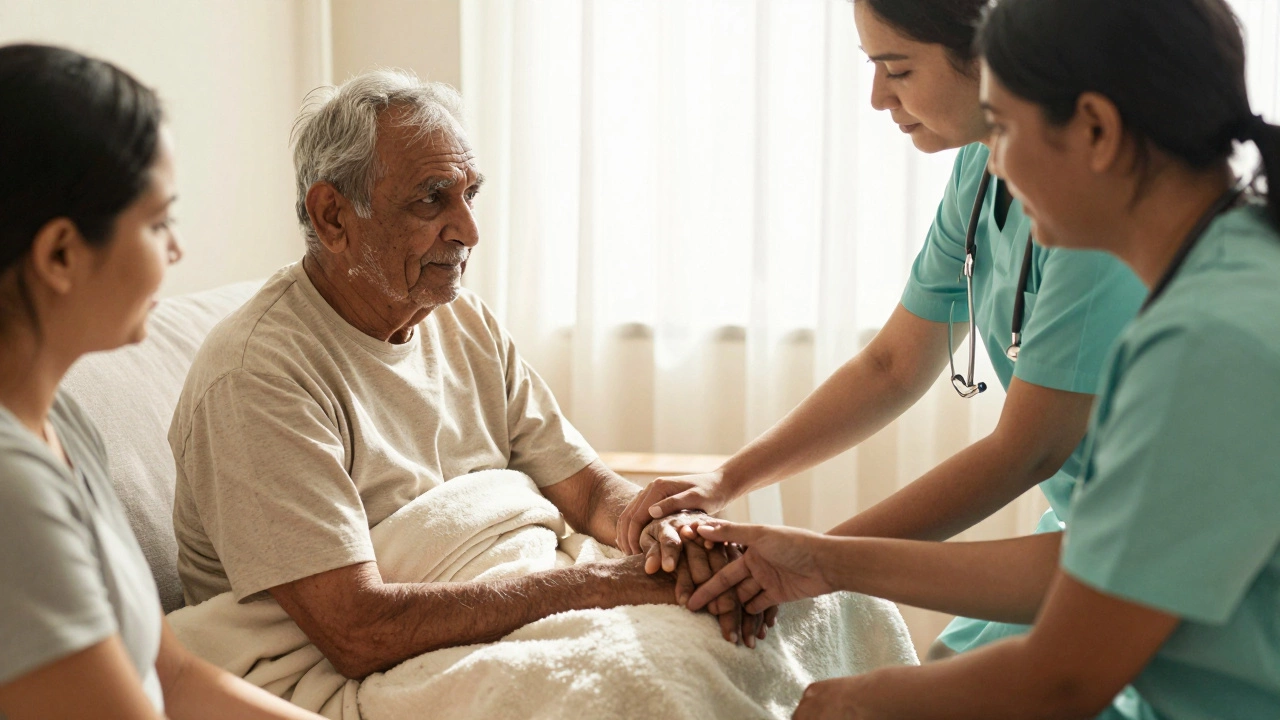
There is a common misconception that choosing hospice or palliative care means giving up. In reality, integrating palliative care early alongside cancer treatment has been shown to improve both quality of life and sometimes even survival. Palliative care focuses on relieving symptoms and stress associated with serious illness. It involves a team of specialists who address pain, nausea, emotional distress, and spiritual needs.
If chemotherapy is unlikely to extend life meaningfully or if the side effects would severely diminish your remaining time, focusing on comfort becomes the priority. Hospice care provides support at home or in a dedicated facility, ensuring that your final days are peaceful and surrounded by loved ones. This choice is valid and dignified. It allows you to control your environment and avoid unnecessary hospitalizations. Many patients find that prioritizing comfort enables them to have meaningful conversations and create lasting memories, which they value more than additional weeks of suffering.
Making the Decision: Questions to Ask Your Oncologist
Deciding whether to pursue chemotherapy for stage 4 cancer is deeply personal. To make an informed choice, prepare a list of questions for your next appointment. Here are some critical inquiries:
- What is the expected benefit of this chemotherapy in terms of months or years of added life?
- What are the most common and severe side effects I should expect?
- Are there alternative treatments, such as immunotherapy or targeted therapy, suitable for my cancer type?
- How will this treatment impact my daily activities and independence?
- If I stop treatment, what happens next? Will symptoms worsen quickly?
- Can we integrate palliative care now to manage symptoms regardless of my treatment choice?
Take notes during these discussions. Bring a family member or friend to help remember details. Second opinions are also valuable, especially from major cancer centers that specialize in your specific type of cancer. They may offer insights into newer protocols or clinical trials that local providers might not know about.
Support Systems and Mental Health
The emotional burden of stage 4 cancer affects not just the patient but the entire family. Anxiety, depression, and fear are natural responses. Seeking psychological support through counseling or support groups can be incredibly beneficial. Organizations like the American Cancer Society or local community groups provide resources for coping strategies. Mental resilience can influence how well you tolerate treatment and adhere to care plans.
Practical support is equally important. Ensure you have help with transportation to appointments, meal preparation, and household chores. Fatigue from chemo can be overwhelming, so having a network of caregivers ensures you don’t exhaust yourself trying to maintain normalcy. Open communication with your loved ones about your wishes and fears fosters connection and reduces isolation.
Is it too late to try chemotherapy for stage 4 cancer?
It depends on your overall health and the type of cancer. Even in advanced stages, if your body is strong enough, chemo can still shrink tumors and extend life. However, if you are very frail, the risks may outweigh the benefits.
Does chemotherapy always cause hair loss?
Not always. Hair loss depends on the specific drugs and doses used. Some regimens cause thinning, while others lead to total hair loss. Scalp cooling caps can sometimes reduce this side effect.
Can I combine chemotherapy with complementary therapies?
Yes, but always consult your oncologist first. Acupuncture, massage, and meditation can help manage side effects like pain and anxiety. Avoid herbal supplements that might interfere with chemo metabolism.
How do I know if chemotherapy is working?
Doctors monitor progress through regular CT scans, MRI, or blood tests. Shrinkage of tumors or stabilization of disease indicates effectiveness. Improvement in symptoms is also a positive sign.
What is the difference between palliative care and hospice?
Palliative care can be provided at any stage alongside curative treatment to manage symptoms. Hospice is specifically for patients with a life expectancy of six months or less who have stopped curative treatments.
Ultimately, the question of whether chemo is worth it for stage 4 cancer rests on your values and priorities. For some, every extra day is precious, regardless of the cost. For others, maintaining clarity and comfort is paramount. There is no right or wrong answer, only the one that aligns with your hopes and realities. Take the time to gather information, listen to your body, and surround yourself with compassionate support. Your journey is unique, and your voice must be central in every decision made along the way.