Mounjaro Cost Calculator & Savings Checker
Discover your real out-of-pocket costs and find the best savings option for tirzepatide in 2026
Your Situation
Your Estimated Costs
Configure your situation and click "Calculate My Costs" to see detailed estimates
Safety & Legitimacy Check
✅ Safe Options Include:
- FDA-approved brand-name medications
- Valid prescription from licensed physician
- Official manufacturer savings programs
- US-based pharmacies with state licenses
🚩 Red Flags to Avoid:
- No prescription required
- Prices under $200/month for tirzepatide
- Shipping from overseas locations
- Hidden auto-renewal subscriptions
Seeing an ad that promises Mounjaro for $25 feels like finding a luxury car parked on the sidewalk with the keys in the ignition. It’s tempting, but it doesn’t make sense. In 2026, the reality of pharmaceutical pricing is stark. The list price for a single dose of Mounjaro (tirzepatide) often exceeds $1,000 without insurance. So, how do you get it for twenty-five bucks? The short answer is: you usually don’t buy the brand name drug itself at that price point legally in the US. Instead, that $25 figure typically refers to a monthly consultation fee for telehealth clinics, a coupon for a generic alternative, or a subscription model that requires careful scrutiny.
If you are looking to lose weight using GLP-1 agonists or dual agonists like tirzepatide, understanding the difference between the medication cost, the clinic fee, and the actual drug acquisition is critical. This guide breaks down where that $25 number comes from, what you are actually paying for, and whether it’s safe.
The "$25" Misconception: What Are You Actually Paying?
When you see "Get Mounjaro for $25," it is almost never the price of the pen. Eli Lilly, the manufacturer, does not sell Mounjaro for $25. That price tag usually hides one of three things:
- The Consultation Fee: Many online weight loss clinics charge $25 to $49 for the initial doctor’s visit. They market this as "starting your journey," but once you pay, you still have to buy the medication separately, which can cost hundreds more per month.
- The Coupon Value: Manufacturer savings cards might reduce your out-of-pocket cost significantly if you have commercial insurance, but they rarely drop the price to $25 unless your plan has very specific coverage tiers.
- Compounded Tirzepatide: Some clinics offer "compounded" versions of the active ingredient. While cheaper than brand-name Mounjaro, these are not FDA-approved as Mounjaro. Prices vary wildly, and $25 is suspiciously low even for compounded options, suggesting a bait-and-switch tactic.
You need to look past the headline. If a site says "$25/month for weight loss," check the fine print. Are they including shipping? Is it just the first month? Is it a different drug entirely?
Legitimate Ways to Lower Your Mounjaro Cost
If you have been prescribed Mounjaro by your doctor, there are legitimate ways to bring the cost down, though hitting exactly $25 is rare without substantial insurance support.
1. Manufacturer Savings Programs
Eli Lilly offers a patient assistance program called Lilly Support Line. For eligible patients with commercial insurance, this can lower the copay to as low as $25 per month for the first 12 months. This is likely the most common source of the "$25 Mounjaro" claim. However, this requires:
- Having qualifying commercial health insurance (Medicare and Medicaid are generally excluded).
- A valid prescription from a healthcare provider.
- Registration through the official Lilly website before picking up the medication.
2. Insurance Coverage Expansion
In 2025 and 2026, many major insurers expanded coverage for GLP-1 medications beyond just Type 2 Diabetes to include obesity treatment (BMI over 30, or over 27 with comorbidities). Check your formulary. If Mounjaro is covered, your copay might be fixed at a low tier, such as $25 or $50.
3. Patient Assistance Foundations
Non-profit organizations like NeedyMeds or the Patient Access Network Foundation (PAN) may provide grants for individuals who are uninsured or underinsured. These programs often require proof of income and residency.
The Compounded Tirzepatide Market: Cheaper, But Risky
Because of high demand and occasional shortages of brand-name Mounjaro, many telehealth clinics turned to compounded pharmacies. Compounding involves mixing the active ingredient (tirzepatide) into a solution.
| Feature | Brand-Name Mounjaro | Compounded Tirzepatide |
|---|---|---|
| FDA Approval | Yes (for T2D and Obesity) | No (Individual pharmacy regulation) |
| Price Range | $800 - $1,300/month (without aid) | $300 - $600/month |
| Purity Assurance | Rigorous manufacturing standards | Varies by pharmacy; risk of contamination |
| Availability | Subject to supply chain issues | Often available when brand is scarce |
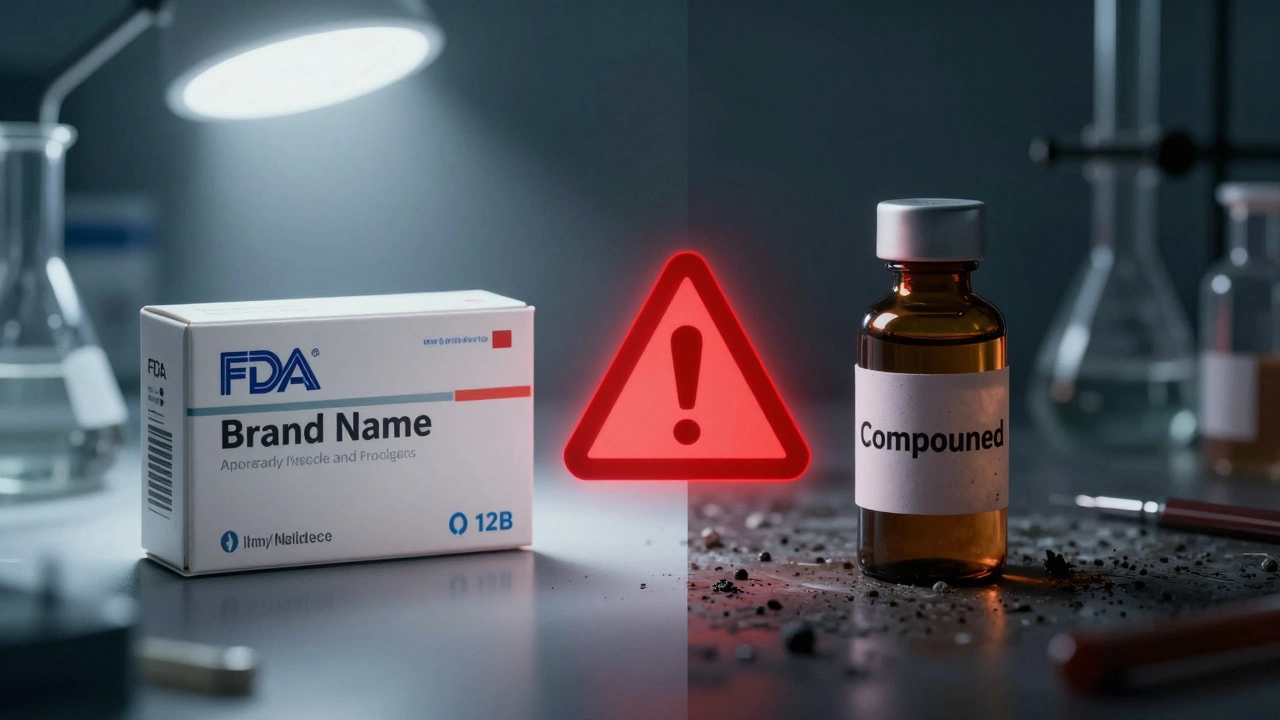
While compounded versions are cheaper, they are not identical. The FDA has issued warnings about unapproved semaglutide and tirzepatide products containing fillers or incorrect dosages. A $25 offer for compounded tirzepatide is a red flag. It suggests the product may be diluted, counterfeit, or sourced from unreliable overseas manufacturers.
Safe Alternatives to Mounjaro Under 0
If Mounjaro remains out of budget, other FDA-approved weight loss medications exist. Some are older, meaning patents have expired, allowing for generic versions that are significantly cheaper.
1. Generic Phentermine
Phentermine is an older appetite suppressant. It is not a GLP-1 agonist, so it works differently. It stimulates the central nervous system to reduce hunger. Because it is generic, you can often find it for less than $50 at retail pharmacies, and sometimes much less with good coupons. It is intended for short-term use (up to 12 weeks).
2. Liraglutide (Saxenda/Wegovy Generic)
Liraglutide is a GLP-1 agonist similar to semaglutide. Brand names include Saxenda and Wegovy. As of 2026, biosimilar versions are entering the market, driving prices down. While not as potent as tirzepatide (Mounjaro), it is effective for many people and may be covered better by insurance plans.
3. Orlistat (Alli/Xenical)
Orlistat blocks fat absorption in the gut. The over-the-counter version, Alli, costs around $50-$70 per month. It doesn’t suppress appetite but helps manage calories from fat. Side effects include gastrointestinal discomfort, which can be significant.
Red Flags: When to Avoid the Deal
In the world of weight loss drugs, if it sounds too good to be true, it usually is. Here is how to spot a scam:
- No Prescription Required: Any site selling Mounjaro or tirzepatide without a licensed doctor’s review is illegal and dangerous. These drugs affect blood sugar and heart rate. Medical supervision is mandatory.
- Hidden Subscription Fees: Watch out for "$25 first month" deals that auto-renew at $400+ if you forget to cancel. Read the cancellation policy carefully.
- Overseas Shipping: If the medication ships from outside the US or Canada, there is no guarantee of authenticity. Counterfeit pills may contain nothing but saline or harmful substances.
- Pressure Tactics: Legitimate clinics give you time to decide. Scammers use countdown timers and fake scarcity ("Only 3 left!") to rush you into buying.

Steps to Safely Access Affordable Weight Loss Medication
To navigate this complex landscape, follow this step-by-step approach:
- Consult Your Primary Care Physician: Ask if you qualify for Mounjaro based on BMI and medical history. Get a written prescription.
- Check Your Insurance Formulary: Call the number on your insurance card. Ask specifically: "Is tirzepatide covered for weight loss? What is my copay?"
- Apply for Manufacturer Aid: If you have commercial insurance, apply for the Lilly Support Line discount. This is the safest way to potentially hit that $25 copay target.
- Compare Telehealth Clinics: If insurance denies coverage, compare reputable telehealth services. Look for transparent pricing. Avoid those advertising "$25 all-in." Expect to pay $300-$500 for compounded tirzepatide from a verified US-based compounding pharmacy.
- Consider Lifestyle First: Medication works best with diet and exercise. No pill replaces a calorie deficit. Combining modest dietary changes with medication yields better results than either alone.
Understanding the Long-Term Commitment
Mounjaro is not a one-time fix. It is a chronic disease management tool. Most people need to stay on the medication indefinitely to maintain weight loss. Studies show that stopping GLP-1 agonists often leads to weight regain within a year. Therefore, calculating the annual cost is crucial. A $25 monthly deal is great, but only if it is sustainable for years, not just weeks.
Also, consider the side effects. Nausea, vomiting, diarrhea, and constipation are common. More serious risks include pancreatitis, gallbladder issues, and potential thyroid tumors (seen in rodent studies). Regular blood work and monitoring are necessary, adding to the overall cost of care.
Can I really get Mounjaro for $25 a month?
Only if you have qualifying commercial insurance and use the Eli Lilly patient assistance program, which caps the copay at $25 for the first year. Without insurance, the cash price is much higher. Be wary of ads claiming $25 for the drug itself without mentioning insurance requirements.
Is compounded tirzepatide the same as Mounjaro?
No. Mounjaro is FDA-approved and manufactured under strict quality controls. Compounded tirzepatide is mixed by individual pharmacies and is not FDA-approved. While it contains the same active ingredient, purity, dosage accuracy, and safety are not guaranteed to the same standard.
What are the cheapest legal alternatives to Mounjaro?
Generic phentermine is often the cheapest prescription option, costing under $50. Over-the-counter orlistat (Alli) is another option. For GLP-1s, generic liraglutide is becoming more affordable. Always consult a doctor before switching medications.
Do Medicare or Medicaid cover Mounjaro for weight loss?
Generally, no. Federal law prohibits Medicare from covering drugs primarily for weight loss. Medicaid coverage varies by state but is limited. Private commercial insurance is the most likely payer for weight loss indications.
Are there risks with buying weight loss meds online?
Yes. Online scams are common. Risks include receiving counterfeit drugs, incorrect dosages, or contaminated products. Always verify that the pharmacy is licensed in your state and requires a valid prescription from a licensed physician.