20-Pound Weight Loss Planner
Enter your current stats to see how long it will take to drop 20 pounds and what your daily targets should be.
Target Daily Intake
--
Calories per day
Est. Timeframe
--
To lose 20 lbs
Quick Tips from Your Data:
- • Ensure protein intake is high to preserve muscle.
- • Stay hydrated to help distinguish thirst from hunger.
Fill in your details and click "Calculate My Plan" to see your personalized weight loss roadmap.
You want to shed 20 pounds quickly. Maybe a wedding is coming up, or you just hit a number on the scale that made you pause. It’s tempting to grab a juice cleanse or buy the latest fat-burning pill. But here’s the truth: dropping 20 pounds fast isn’t about starving yourself. It’s about smart choices that keep your metabolism humming and your muscles intact.
Most people fail because they aim for impossible speeds. Losing 1-2 pounds a week is safe. That means 20 pounds takes roughly 10 to 20 weeks. If you try to rush it further, you risk muscle loss, fatigue, and rebound weight gain. This guide breaks down exactly how to lose those 20 pounds efficiently without wrecking your health.
The Math Behind Losing 20 Pounds Quickly
Let’s look at the numbers. One pound of body fat contains approximately 3,500 calories. To lose 20 pounds, you need a total deficit of 70,000 calories. If you want to do this in 10 weeks (a fast but realistic pace), you need to burn 7,000 more calories than you consume each week. That’s 1,000 calories per day.
Can you cut 1,000 calories from your plate? Yes, if you’re currently eating 2,500+ calories daily. Can you burn 1,000 extra through exercise? That’s tough for beginners. The sweet spot is combining both: eat 500 fewer calories and move enough to burn another 500. This approach preserves muscle mass better than extreme dieting alone.
Diet Changes That Actually Work
You don’t need a complex meal plan. You need simple rules that reduce calorie density while keeping you full. Start by cutting liquid calories. Sodas, fancy coffees, and fruit juices add hundreds of empty calories with zero satiety. Switch to water, black coffee, or green tea. This single change can save 300-500 calories a day for many people.
Next, prioritize protein. Eating 0.8 to 1 gram of protein per pound of goal weight helps preserve lean muscle during a deficit. Chicken breast, eggs, Greek yogurt, lentils, and paneer are great options. Protein also has a high thermic effect, meaning your body burns more calories digesting it compared to fats or carbs.
- Cut refined carbs: Swap white rice and maida (all-purpose flour) for brown rice, quinoa, or whole wheat. These have more fiber, which slows digestion and keeps blood sugar stable.
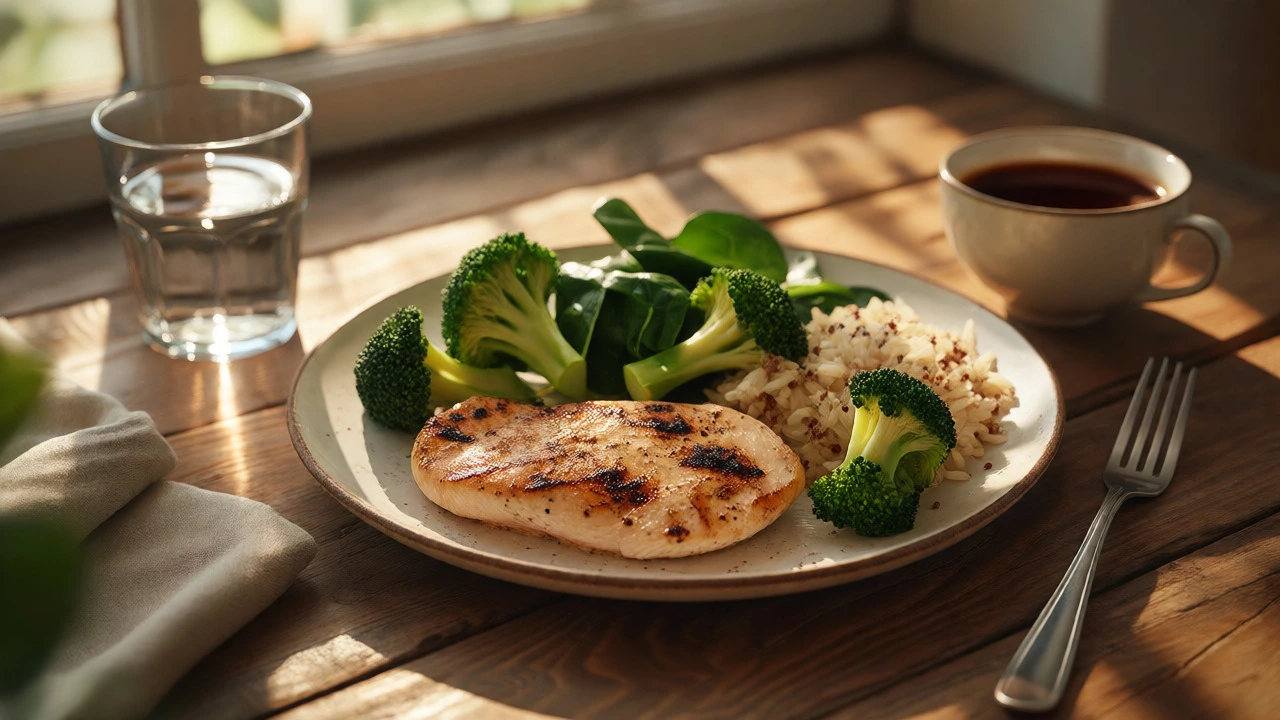
- Eat more vegetables: Fill half your plate with non-starchy veggies like spinach, broccoli, and cauliflower. They are low in calories but high in volume, helping you feel physically full.
- Limit added sugars: Check labels on sauces, dressings, and packaged snacks. Hidden sugars add up fast.
Movement: More Than Just Cardio
Many people think running is the only way to lose weight. It’s not. While cardio burns calories during the activity, strength training builds muscle. Muscle tissue burns more calories at rest than fat tissue does. By lifting weights or doing bodyweight exercises, you increase your resting metabolic rate.
Aim for three sessions of resistance training per week. Focus on compound movements like squats, push-ups, lunges, and rows. These engage multiple muscle groups, maximizing calorie burn. On other days, incorporate moderate-intensity cardio like brisk walking, cycling, or swimming. You don’t need to run marathons. A 30-minute brisk walk after meals can significantly improve insulin sensitivity and aid fat loss.

Lifestyle Factors Often Ignored
Stress and sleep play huge roles in weight management. When you’re stressed, your body produces cortisol. High cortisol levels can increase appetite and promote fat storage, especially around the belly. Find ways to manage stress, whether it’s meditation, deep breathing, or simply spending time in nature.
Sleep deprivation messes with hunger hormones. Lack of sleep increases ghrelin (the hunger hormone) and decreases leptin (the satiety hormone). This leads to cravings for high-carb, high-sugar foods. Aim for 7-9 hours of quality sleep every night. If you’re sleeping poorly, fixing this might be the easiest way to kickstart your progress.
Common Pitfalls to Avoid
Don’t fall into the trap of "cheat days" turning into "cheat weekends." If you restrict severely for six days and then binge on pizza and ice cream for two, you’ll erase your weekly deficit. Instead, allow small treats within your calorie budget. Moderation beats deprivation.
Another mistake is relying too heavily on supplements. No pill replaces a good diet and consistent movement. Some supplements, like caffeine or green tea extract, might give a slight metabolic boost, but they won’t work if your foundation is shaky. Save your money for healthy food and gym memberships.

Sample Daily Routine for Rapid Loss
Here’s what a typical day might look like for someone aiming to drop weight quickly:
- Morning: Wake up at 6:30 AM. Drink 500ml of water. Do 20 minutes of strength training or yoga.
- Breakfast: Two boiled eggs with sautéed spinach and one slice of multigrain toast.
- Lunch: Grilled chicken salad with olive oil dressing, or dal with brown rice and lots of sabzi (vegetables).
- Snack: An apple or a handful of almonds.
- Dinner: Light meal finished by 8 PM. Example: Fish curry with steamed veggies or a large bowl of vegetable soup.
- Evening: 30-minute walk after dinner. Go to bed by 10:30 PM.
When to Seek Professional Help
If you’ve tried these strategies for 4-6 weeks and see no progress, consider consulting a professional. Sometimes underlying issues like thyroid problems or PCOS affect weight loss. A doctor or registered dietitian can check your blood work and tailor a plan specifically for you. In India, many cities have specialized Weight Loss Clinics offering medical supervision for faster results.
| Approach | Speed | Sustainability | Best For |
|---|---|---|---|
| Extreme Calorie Restriction | Very Fast | Low | Short-term emergencies (not recommended) |
| Balanced Deficit + Exercise | Moderate-Fast | High | Long-term health and sustainable results |
| Keto Diet | Fast initially | Moderate | Those who prefer high-fat, low-carb eating |
| Intermittent Fasting | Moderate | High | People who dislike counting calories |
Is losing 20 pounds in a month possible?
It is possible, but difficult and often unsustainable. Losing 20 pounds in 30 days requires a deficit of nearly 2,300 calories per day, which usually involves severe restriction and intense exercise. Most of this weight will likely be water and muscle rather than pure fat.
What is the best exercise to lose belly fat?
You cannot spot-reduce fat. However, a combination of high-intensity interval training (HIIT) and strength training is most effective for overall fat loss, including belly fat. Consistency in a caloric deficit matters more than any specific ab exercise.
Do I need to count calories to lose weight?
Not necessarily, but it helps significantly in the beginning. Tracking intake for 2-3 weeks teaches you portion control and reveals hidden calories. After that, you can switch to intuitive eating based on hunger cues and food quality.
Why am I gaining weight despite dieting?
This could be due to water retention from high salt intake, constipation, or hormonal fluctuations. Also, weigh-ins fluctuate daily. Look at weekly averages instead of daily numbers. If the trend is upward over several weeks, reassess your calorie intake.
Are weight loss pills effective?
Over-the-counter pills generally have minimal effects. Prescription medications like semaglutide can be highly effective but require medical supervision. Always consult a doctor before starting any medication, as side effects can include nausea and digestive issues.