Herbal Supplement Finder
Select a health goal or a specific herb below to learn how it works, what to look for, and important safety precautions.
Browse Supplements
Herb Name
CategoryHow it Works & Primary Use:
Description goes here.
⚠️ Safety Warning
Warning details go here.
Key Takeaways for Natural Wellness
- Herbal supplements use plant-based extracts to support specific bodily functions.
- Common examples include Turmeric for inflammation, Ashwagandha for stress, and Echinacea for immunity.
- They are not substitutes for medical treatment but can serve as supportive care.
- Always check for interactions with medications, as some herbs can block or amplify drug effects.
The Heavy Hitters: Anti-Inflammatory and Joint Support
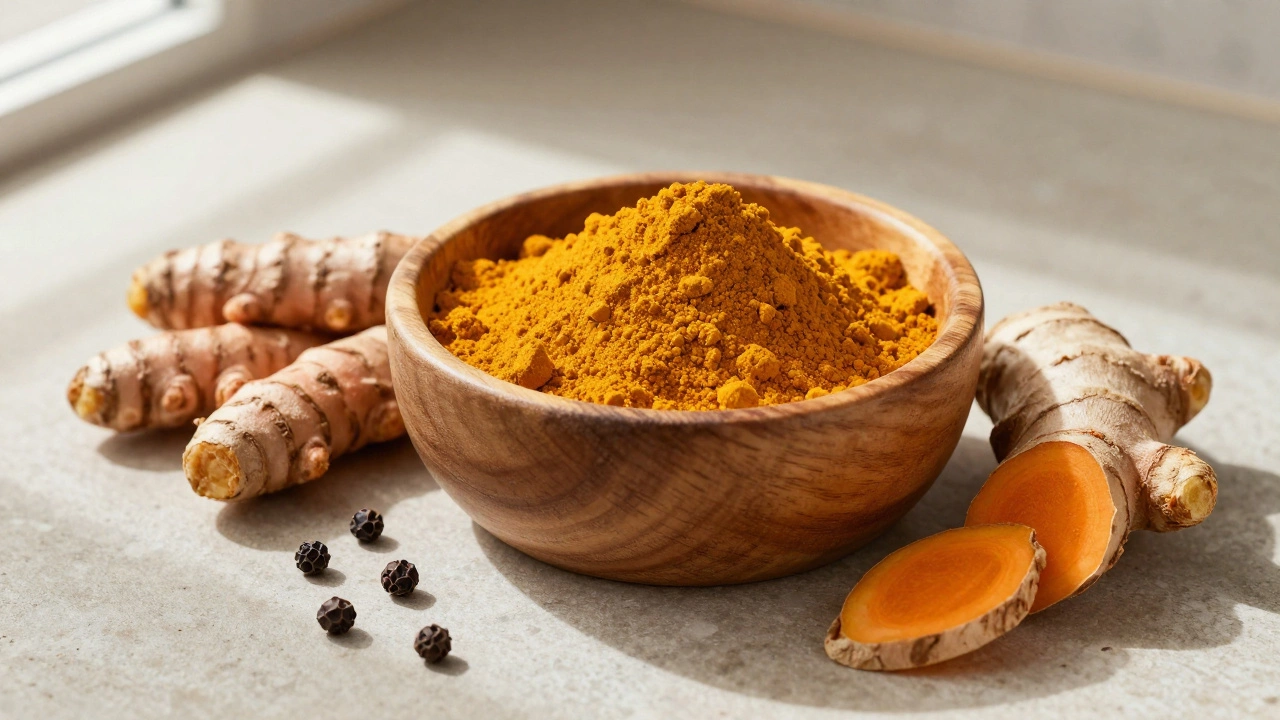
If you've ever dealt with a stiff knee or a sore back after a long day, you've likely come across Turmeric is a yellow-orange spice from the Curcuma longa plant containing curcumin, a bioactive compound with potent anti-inflammatory properties. Curcumin is the magic ingredient here, but there's a catch: your body isn't great at absorbing it on its own. That's why you'll often see it paired with black pepper (piperine), which can increase absorption by up to 2,000%.
Another powerhouse in this category is Ginger is a flowering plant of the Zingiberaceae family used to treat nausea and reduce muscle pain. While most people think of it as a kitchen staple, as a supplement, it's highly effective for those dealing with morning sickness or chemotherapy-induced nausea. Unlike synthetic painkillers, ginger works by inhibiting prostaglandins, the chemicals that signal pain and inflammation in the body.
| Herb | Primary Active Compound | Best For | Key Tip |
|---|---|---|---|
| Turmeric | Curcumin | Joint pain, Arthritis | Take with black pepper |
| Ginger | Gingerols | Nausea, Digestion | Good for motion sickness |
| Boswellia | Boswellic acids | Chronic inflammation | Often used in Ayurveda |
Calming the Mind: Stress and Sleep Aids
In a world that never shuts off, many people turn to "adaptogens." These are herbs that help your body adapt to stress and bring your systems back into balance. One of the most famous is Ashwagandha is a powerful adaptogenic herb from the Withania somnifera plant used to reduce cortisol levels and anxiety. If you feel "wired but tired," this herb is often the go-to because it doesn't just sedate you; it helps regulate the stress response system over time.
Then there's the more direct approach to sleep. Valerian Root is a sedative herb derived from the Valeriana officinalis plant that increases GABA levels in the brain. GABA is a neurotransmitter that tells your brain to slow down. Think of it as a natural dimmer switch for your thoughts. While it's effective for insomnia, some people experience a "hangover" feeling the next morning if the dose is too high.
For those who need something lighter, Chamomile is a daisy-like herb often consumed as tea or extract to promote relaxation and mild sedation. It contains apigenin, an antioxidant that binds to certain receptors in your brain that promote sleepiness. It's the gentle nudge to sleep, whereas Valerian is more of a push.

Boosting the Immune System
When the first person in the office starts sneezing, many reach for Echinacea is a purple coneflower plant believed to stimulate the production of white blood cells to fight infection. The goal here isn't to cure a cold once you have it, but to shorten the duration. Research suggests that taking it at the very first sign of a tickle in the throat is far more effective than taking it after you're already bedridden.
Another common addition to the immune toolkit is Elderberry is the fruit of the Sambucus nigra tree, rich in anthocyanins that prevent viruses from entering cells. Unlike Echinacea, which stimulates the immune system, Elderberry creates a sort of barrier, making it harder for respiratory viruses to replicate. This is why you'll often see it in syrup form during the winter months.
Metabolism and Blood Sugar Support
Managing energy and blood sugar is a huge focus for many. Cinnamon is a spice derived from the bark of Cinnamomum trees that improves insulin sensitivity. It doesn't replace insulin, but it helps the cells in your body respond to it better, which can prevent those mid-afternoon energy crashes. It's important to use Ceylon cinnamon (the "true" cinnamon) rather than Cassia, as Cassia contains higher levels of coumarin, which can be hard on the liver in large amounts.
Similarly, Fenugreek is a seed from the Trigonella foenum-graecum plant used to lower blood glucose levels and improve digestion. It's particularly popular in Mediterranean and Indian cooking, but as a supplement, it works by slowing down the absorption of carbohydrates in the digestive tract.

The Hidden Risks: What Nobody Tells You
Herbal doesn't always mean harmless. The biggest mistake people make is assuming that because a supplement comes from a plant, it can't interact with medicine. For example, St. John's Wort is a flowering plant used to treat mild-to-moderate depression by affecting serotonin levels. While it works for some, it is notorious for making other medications-like birth control or blood thinners-completely ineffective. It essentially "speeds up" the liver's processing of these drugs, flushing them out of your system before they can work.
Then there's the issue of blood thinning. If you're scheduled for surgery, you have to be incredibly careful with herbs like garlic, ginger, and ginkgo biloba. These plants have natural anticoagulant properties, meaning they stop your blood from clotting. While that's great for heart health in some contexts, it's dangerous if you're on an operating table and can't stop a bleed.
How to Choose a Quality Supplement
Since the FDA doesn't approve supplements for safety and effectiveness before they hit the market, you have to be your own detective. Don't just buy the cheapest bottle on the shelf. Look for third-party certifications. Seals from organizations like USP, NSF International, or ConsumerLab signify that what is listed on the label is actually what's inside the capsule.
Check the form of the supplement. A "root powder" is different from a "standardized extract." A standardized extract means the manufacturer ensures that every single dose contains a specific amount of the active ingredient (like 95% curcuminoids in turmeric). This ensures you get a consistent dose every time, rather than hoping the root was potent enough that week.
Can I take herbal supplements with prescription medications?
It depends entirely on the herb and the medication. Some herbs, like St. John's Wort, can neutralize the effects of prescriptions, while others, like Ginger or Ginkgo, can increase the risk of bleeding if taken with blood thinners like Warfarin. Always consult a healthcare provider before starting a new supplement to avoid dangerous interactions.
Are herbal supplements safer than synthetic drugs?
"Natural" does not automatically mean "safe." Many plants produce potent chemicals to protect themselves in the wild, and those same chemicals can cause side effects or toxicity in humans. While they often have fewer synthetic additives, they can still cause allergic reactions or organ stress if used incorrectly.
How long does it take for herbal supplements to work?
It varies by the goal. For immediate relief, like Chamomile for relaxation or Ginger for nausea, you may feel effects within 30 to 60 minutes. However, adaptogens like Ashwagandha or anti-inflammatories like Turmeric often require 2 to 8 weeks of consistent use to build up in your system and show noticeable results.
What is the difference between a supplement and a drug?
A drug is intended to treat, cure, or prevent a specific disease and must undergo rigorous clinical trials for FDA approval. A supplement is intended to support general health, provide nutrients, or maintain bodily functions. Supplements are regulated as food, not as medicine, meaning the burden of safety proof is lower before they reach consumers.
Can children take these herbal supplements?
Children's bodies process compounds differently than adults. Many herbal supplements are not tested for pediatric use and could be dangerous. For example, some adult doses of Valerian or Ashwagandha could be too potent for a child. Always speak with a pediatrician before giving any herbal extract to a child.
Next Steps for Your Wellness Journey
If you're just starting out, don't try five different herbs at once. If you have a reaction, you'll have no idea which one caused it. Start with one supplement, take it for a few weeks, and keep a simple log of how you feel. If you're dealing with a chronic condition like hypertension or diabetes, your first stop should be your doctor-not the supplement aisle. Use these plant-based tools to complement a healthy diet and active lifestyle, not to replace the basics of medicine and nutrition.