Diabetes Medication Decision Assistant
Answer these questions to find a potential match.
Select your criteria and click Analyze to see recommendations.
There is no single "best" medicine for diabetes. If there were, every doctor would prescribe the same pill to every patient. But human bodies are not identical machines; they are complex biological systems that react differently to stress, diet, and chemicals. What works wonders for your neighbor might cause nausea or low blood sugar for you.
The real answer depends on three things: whether you have Type 1 or Type 2 diabetes, your heart and kidney health, and your ability to afford daily injections versus oral pills. In 2026, the landscape of diabetes medication has shifted dramatically. We are moving away from simply lowering blood sugar numbers toward protecting organs like the heart and kidneys. This guide breaks down the top contenders, how they work, and which one might be right for you.
Understanding the Goal: Beyond Blood Sugar Numbers
For decades, the goal of treating Type 2 Diabetes was purely about hitting a target HbA1c level (usually below 7%). Doctors focused on keeping glucose levels down to prevent immediate symptoms like excessive thirst or blurred vision. However, modern medical guidelines, including those from the American Diabetes Association (ADA) and the European Association for the Study of Diabetes (EASD), now prioritize organ protection.
Why the change? Because high blood sugar damages blood vessels over time, leading to heart attacks, strokes, and kidney failure. Today, the "best" drug is one that lowers blood sugar *and* reduces cardiovascular risk. If a pill drops your sugar but increases your chance of a heart attack, it is no longer considered a first-line choice for many patients. This shift means we look at medications through two lenses: glycemic control and cardiorenal protection.
Metformin: The Unshakable Foundation
Metformin remains the starting point for most people diagnosed with Type 2 Diabetes. It has been around since the 1950s, derived from French lilac plants, and it is incredibly effective at reducing the amount of glucose your liver produces. Unlike insulin, it rarely causes hypoglycemia (dangerously low blood sugar) because it only works when your blood sugar is elevated.
It is cheap, widely available, and generally safe. Most doctors will start you here unless you have severe kidney disease. The main downside? Gastrointestinal issues. Many people experience bloating, diarrhea, or stomach cramps during the first few weeks. Taking it with food or using the extended-release version can help. While it doesn't offer significant weight loss benefits, it is neutral, meaning it won't make you gain weight like some older drugs do.
GLP-1 Receptor Agonists: The Weight Loss Powerhouses
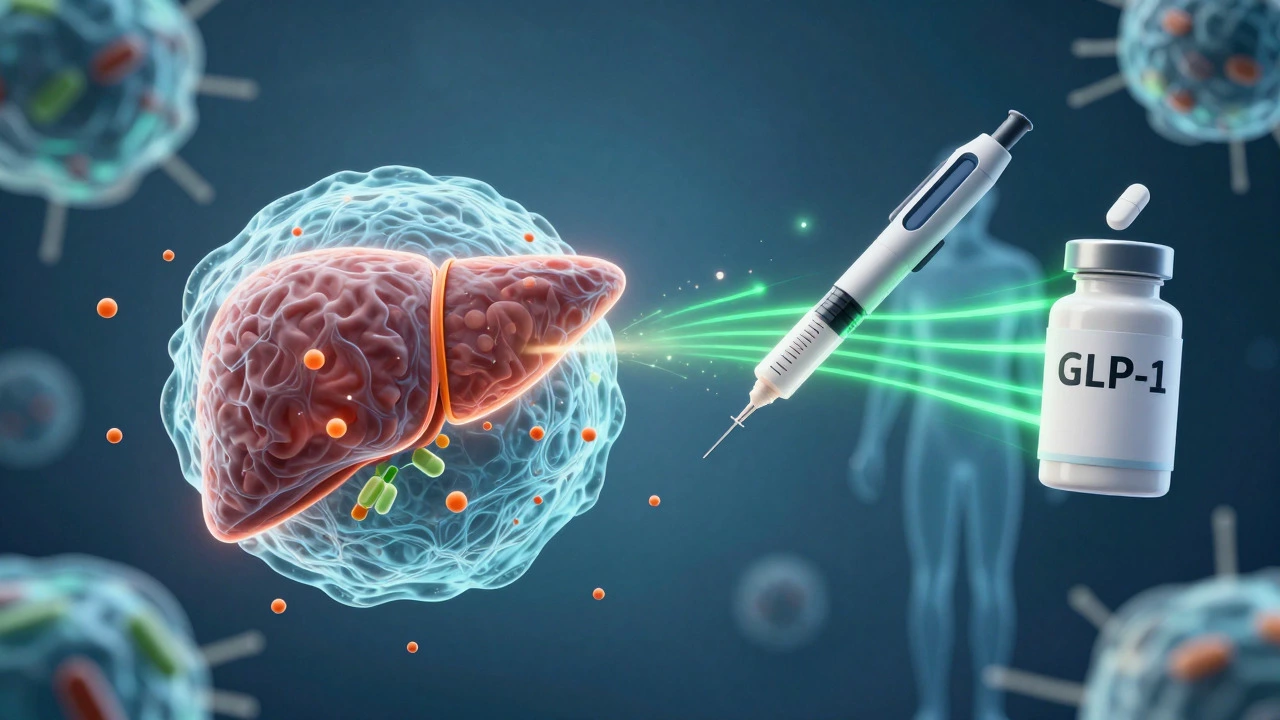
If you need to lose weight along with controlling your diabetes, GLP-1 Receptor Agonists are currently the gold standard. These drugs mimic a hormone called glucagon-like peptide-1, which your body naturally releases after eating. They signal your brain to feel full faster and slow down digestion.
The most famous names in this class are Semaglutide (Ozempic, Wegovy) and Tirzepatide (Mounjaro). Tirzepatide is even newer; it acts on both GLP-1 and GIP receptors, often resulting in greater weight loss and blood sugar reduction than Semaglutide alone. Studies show these drugs can lead to 10-15% body weight loss over a year, which is transformative for metabolic health.
Beyond weight, they protect the heart. Large clinical trials have proven that Semaglutide reduces the risk of heart attack and stroke in people with existing cardiovascular disease. The catch? They are injectable (though oral versions are emerging), expensive, and come with side effects like nausea, vomiting, and potential gastrointestinal slowdown. For many, the trade-off is worth it, but it requires commitment.
SGLT2 Inhibitors: The Kidney and Heart Guardians
SGLT2 Inhibitors, such as Empagliflozin (Jardiance) and Dapagliflozin (Farxiga), take a completely different approach. Instead of affecting hormones or the liver, they work in your kidneys. They block the sodium-glucose cotransporter-2, forcing your kidneys to excrete excess sugar through your urine.
You literally pee out the sugar. Sounds odd, but it’s highly effective. More importantly, these drugs have shown remarkable benefits for heart failure and chronic kidney disease. Even if you don’t have diabetes, doctors sometimes prescribe them for heart conditions because they reduce the workload on the heart. They also promote modest weight loss and lower blood pressure.
The main risks include genital yeast infections (due to sugar in the urine) and a rare but serious condition called euglycemic diabetic ketoacidosis (DKA), where ketones build up even if blood sugar isn't extremely high. Staying hydrated and monitoring for unusual fatigue or fruity-smelling breath is crucial.
DPP-4 Inhibitors: The Gentle Option
If injections scare you and SGLT2 inhibitors cause too many urinary issues, DPP-4 Inhibitors like Sitagliptin (Januvia) might be your match. They work by blocking an enzyme that breaks down your body's natural incretin hormones, allowing those hormones to stay active longer. This helps your pancreas release more insulin when needed and less glucagon.
They are well-tolerated, weight-neutral, and have a very low risk of low blood sugar. However, they are less potent than GLP-1s or SGLT2s. They don't offer the same dramatic heart or kidney protection data. Think of them as a gentle maintenance tool rather than a powerful intervention. They are often used when other drugs aren't enough but stronger options aren't suitable.
Insulin: When Oral Meds Aren't Enough
Insulin is not just for Type 1 Diabetes. Many people with advanced Type 2 Diabetes eventually need it. As the disease progresses, the beta cells in the pancreas that produce insulin can burn out. No pill can replace missing insulin.
Modern insulin therapy is much easier than it used to be. We have rapid-acting insulins for meals and long-acting basal insulins that last all day. Newer analogs like Insulin Degludec offer more stable coverage with fewer lows. While insulin carries the highest risk of hypoglycemia and weight gain, it is life-saving when necessary. Don't view it as a failure; view it as a necessary tool to keep your cells fed and healthy.
Comparison Table: Choosing Your Path
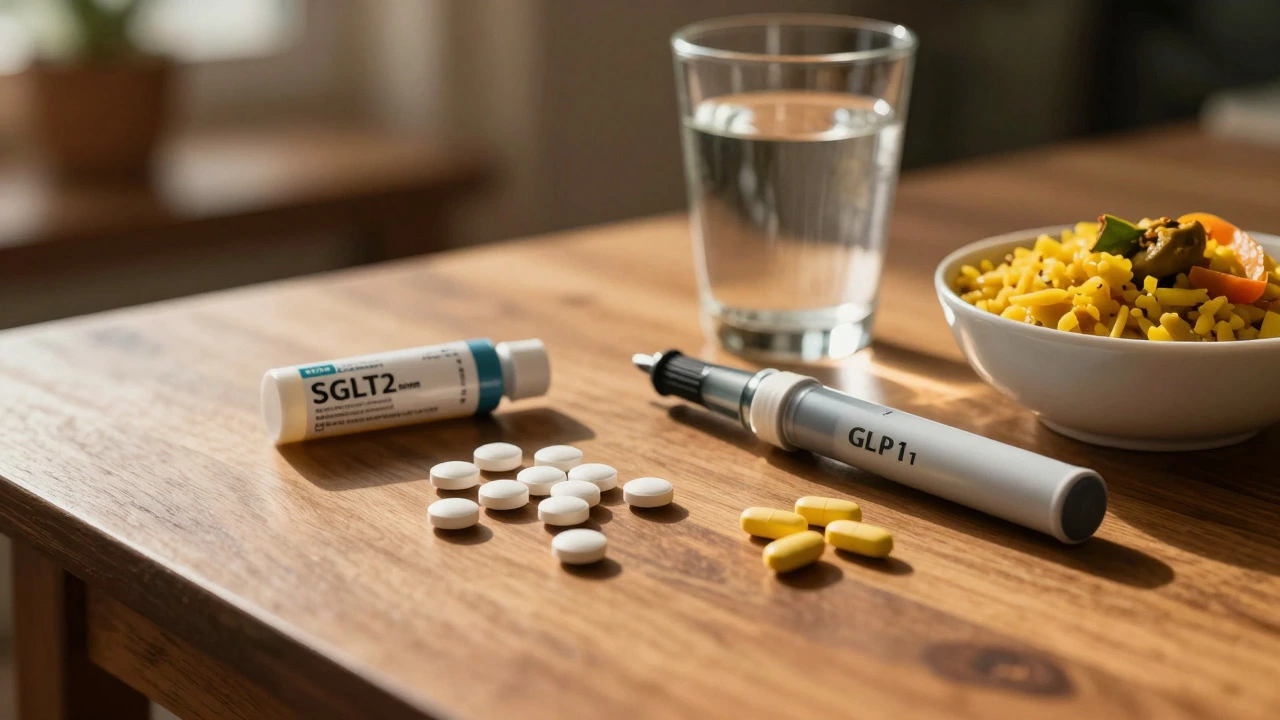
| Medication Class | Primary Benefit | Weight Impact | Cardio/Kidney Protection | Common Side Effects |
|---|---|---|---|---|
| Metformin | Lowers liver glucose output | Neutral/Slight Loss | Moderate | GI distress, B12 deficiency |
| GLP-1 Agonists | High efficacy, satiety | Significant Loss | Strong | Nausea, vomiting, cost |
| SGLT2 Inhibitors | Kidney/Heart protection | Modest Loss | Very Strong | Yeast infections, UTIs |
| DPP-4 Inhibitors | Tolerability | Neutral | Neutral | Joint pain, rare pancreatitis |
| Insulin | Direct glucose control | Gain | Depends on control | Hypoglycemia, weight gain |
How to Decide: A Practical Framework
Choosing the right medication is a collaborative process with your healthcare provider. Here is a simple decision tree to guide your conversation:
- Do you have established heart disease or heart failure? If yes, prioritize SGLT2 inhibitors or GLP-1 agonists with proven cardiovascular outcomes.
- Do you have chronic kidney disease? If yes, SGLT2 inhibitors are often the first choice after Metformin.
- Is weight loss a major goal? If yes, GLP-1 agonists like Semaglutide or Tirzepatide are superior.
- Are you concerned about cost? Metformin is generic and inexpensive. GLP-1s and SGLT2s can be costly without insurance coverage.
- Do you hate needles? Stick to oral medications like Metformin, SGLT2s, DPP-4s, or Sulfonylureas.
Frequently Asked Questions
Can I stop taking diabetes medication if I lose weight?
In some cases, yes. Significant weight loss (often 10-15% of body weight) can put Type 2 Diabetes into remission, especially if done early after diagnosis. However, you should never stop medication without consulting your doctor, as blood sugar can rebound quickly if lifestyle changes aren't maintained.
Are GLP-1 injections safe for long-term use?
Current data suggests they are safe for long-term use. Millions of people have been on these drugs for years. While side effects like nausea usually subside after a few months, ongoing research continues to monitor long-term impacts on the gut and thyroid. Always discuss your personal risk factors with your physician.
What is the cheapest effective diabetes medication?
Metformin is the most cost-effective option, often costing just a few dollars per month for generics. Sulfonylureas (like Glipizide) are also very cheap but carry a higher risk of low blood sugar and weight gain compared to newer classes.
Do SGLT2 inhibitors cause dehydration?
Yes, because they make you urinate more frequently to excrete sugar. It is important to drink plenty of water while on these medications to avoid dehydration, which can strain your kidneys further. Symptoms of dehydration include dizziness, dry mouth, and dark urine.
Can I take multiple diabetes medications together?
Absolutely. Combination therapy is common. For example, a doctor might prescribe Metformin plus an SGLT2 inhibitor. Since these drugs work through different mechanisms (liver vs. kidneys), they complement each other effectively without overlapping side effects significantly.