
Mental Health Self-Assessment
Answer the following questions honestly based on how you have felt over the past two weeks. This tool helps identify patterns that may warrant professional attention.
Your Assessment Result
It’s easy to brush off a bad week. Maybe you slept poorly, had too much coffee, or just had a rough day at work. But when those feelings linger for weeks, they often signal something deeper. Deteriorating mental health is a gradual decline in psychological well-being characterized by persistent changes in mood, behavior, and cognition that interfere with daily functioning. Unlike acute stress, which resolves once the trigger is gone, this state persists and worsens without intervention. Recognizing these shifts early is crucial because it allows you to seek help before small cracks become structural failures.
You don’t need a diagnosis to know something is off. Your body and mind communicate through subtle cues long before a crisis hits. Here are the specific, observable signs that your mental health might be sliding, and what they actually mean.
The Silent Shifts in Daily Functioning
One of the most overlooked aspects of mental decline is how it impacts your ability to do basic tasks. It’s not always about being "sad"; sometimes it’s about being unable to function normally. If you find yourself procrastinating on emails that used to take five minutes, or if cooking dinner feels like an insurmountable mountain, pay attention. This phenomenon, often linked to Executive Dysfunction, impairment in planning, organizing, and executing complex tasks due to neurological or psychological factors, is a hallmark of anxiety and depression. When your brain is overloaded, even simple decisions feel exhausting. If you’ve stopped doing hobbies you love because they now feel like chores, that’s a significant red flag.
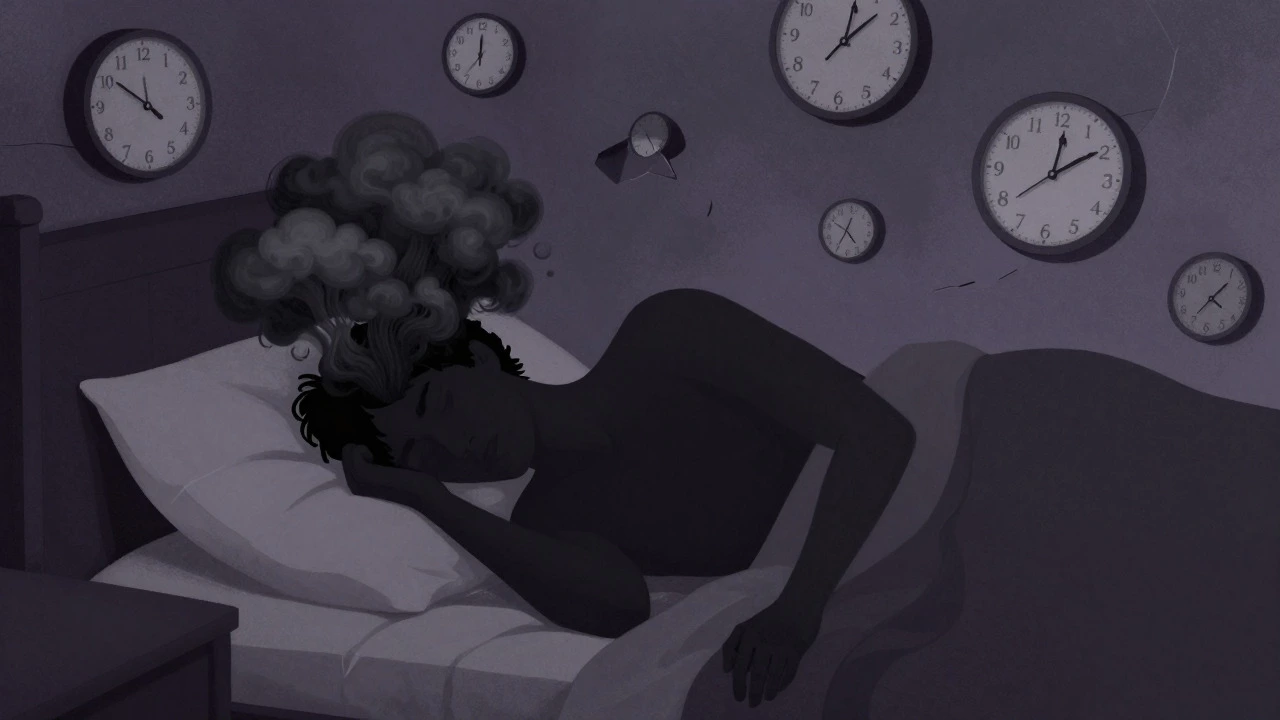
Sleep Disruption: The Body's Alarm System
Sleep is where the brain processes emotions. When your sleep architecture breaks down, your emotional regulation follows suit. Two common patterns emerge:
- Insomnia: Lying awake ruminating on past mistakes or future worries. This is often tied to generalized anxiety.
- Hypersomnia: Sleeping more than nine hours yet waking up unrefreshed. This frequently signals depressive episodes where the body seeks escape from reality.
Social Withdrawal and Isolation
We all need alone time. But there’s a difference between enjoying solitude and avoiding people out of fear or exhaustion. Social Withdrawal is a behavioral pattern where individuals voluntarily reduce social interactions due to low energy, negative self-perception, or anxiety. You might start canceling plans last minute, ignoring texts from friends, or feeling drained after brief conversations. This isn’t just shyness; it’s a protective mechanism. Your brain is conserving energy because social interaction feels too costly. If you haven’t seen anyone outside your immediate household in two weeks, check in with yourself. Are you resting, or are you hiding?
Changes in Appetite and Physical Symptoms
Your gut and your brain are deeply connected via the vagus nerve. When mental health deteriorates, physical symptoms often appear first. Watch for:
- Sudden weight loss or gain unrelated to diet changes.
- Frequent headaches or jaw tension (bruxism).
- Gastrointestinal issues like bloating or irregularity that don’t respond to dietary adjustments.
Cognitive Fog and Memory Slips
Forgetfulness is normal as we age, but sudden onset cognitive fog in younger adults is a sign of distress. You might lose track of conversations, misplace keys repeatedly, or struggle to focus on a single task for more than ten minutes. This is often referred to as Mental Fatigue, a state of reduced cognitive performance resulting from prolonged mental effort or psychological stress. Your working memory capacity shrinks when you’re overwhelmed. If you’re constantly re-reading paragraphs or forgetting why you walked into a room, your brain is struggling to process information efficiently.

Emotional Volatility and Numbness
Two opposite ends of the spectrum can indicate trouble. On one side, you might experience heightened irritability-snapping at loved ones over trivial things. On the other, you might feel emotionally flat, unable to enjoy things that usually bring joy (anhedonia). Both are valid signs. Irritability often masks underlying anxiety or frustration that has no outlet. Numbness is a defense mechanism against overwhelming emotion. If you feel like you’re watching your life through a glass wall, detached from your own experiences, it’s time to act.
When to Seek Professional Help
You don’t need to hit rock bottom to seek support. In fact, waiting until then makes recovery harder. Consider professional help if:
- These signs persist for more than two weeks.
- They interfere with your work, relationships, or self-care.
- You feel hopeless or have thoughts of escaping life.
| Factor | Normal Stress Response | Deteriorating Mental Health |
|---|---|---|
| Duration | Days to a few weeks | Two weeks or longer |
| Functioning | Mildly impaired, recoverable with rest | Significantly impaired, requires active intervention |
| Sleep | Trouble falling asleep temporarily | Persistent insomnia or hypersomnia |
| Mood | Fluctuates with events | Persistently low, irritable, or numb |
| Physical Symptoms | Mild tension, resolved quickly | Chronic pain, digestive issues, fatigue |
Frequently Asked Questions
How long does it take for mental health to deteriorate?
It varies. For some, it happens gradually over months due to chronic stress. For others, it can shift rapidly after a traumatic event. However, clinical guidelines often use a two-week period of persistent symptoms as a benchmark for evaluating potential disorders.
Is it normal to feel unmotivated all the time?
Occasional lack of motivation is normal. Persistent anhedonia (loss of interest) for more than two weeks is a symptom of depression. If you’ve stopped caring about activities you previously enjoyed, it’s a sign to consult a professional.
Can poor sleep cause mental health problems?
Yes. Sleep and mental health are bidirectional. Poor sleep can exacerbate anxiety and depression, while mental health conditions disrupt sleep. Addressing sleep hygiene is often a first step in treating broader psychological issues.
What is the difference between stress and burnout?
Stress is a response to high demands. Burnout is a state of emotional, physical, and mental exhaustion caused by prolonged stress. Burnout includes cynicism and reduced personal accomplishment, whereas stress is primarily about pressure.
Do I need a diagnosis to see a therapist?
No. Many people seek therapy for life transitions, relationship issues, or general wellness without having a formal psychiatric diagnosis. Therapy is a tool for growth and coping, not just for treating illness.