Beverage Blood Sugar Impact Calculator
Calculate Your Drink's Impact
Better Alternatives:
You just checked your blood sugar. It’s higher than you’d like. You didn’t eat anything unusual for dinner-just a standard portion of chicken and rice. So what went wrong? The culprit might not be on your plate at all. It could be in your glass.
For people managing diabetes, a chronic condition affecting how the body processes glucose, liquid calories are often the silent enemy. Unlike solid food, liquids digest quickly. They hit your bloodstream fast, causing sharp spikes in blood glucose levels that can be difficult to manage, even with medication. While water is always the safest bet, navigating the world of beverages can feel like walking through a minefield of hidden sugars and misleading labels.
If you are looking to stabilize your numbers, there are three specific categories of drinks you need to cut out or severely limit. These aren't just "unhealthy" choices; they are direct threats to your metabolic control. Let’s look at exactly which ones they are, why they cause such damage, and what you can drink instead.
The Number One Offender: Sugary Sodas and Sweetened Beverages
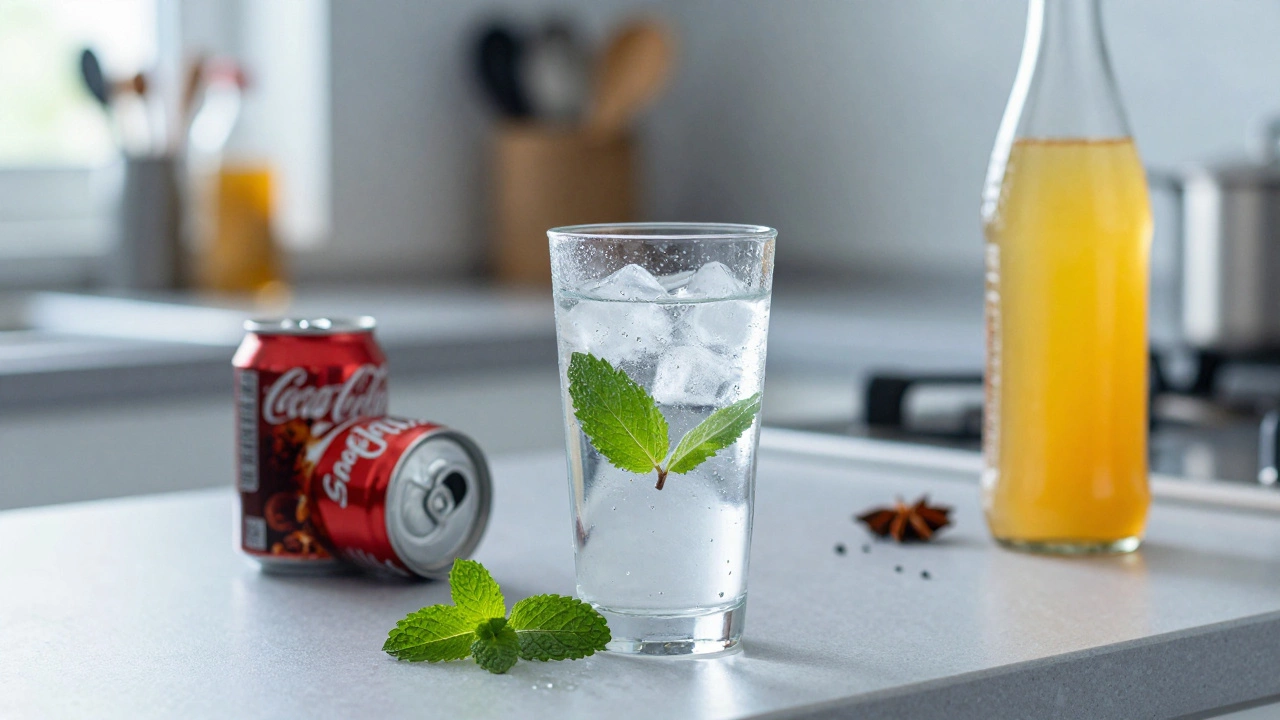
When we talk about drinks diabetics should avoid, regular soda is usually the first thing that comes to mind. But the problem extends far beyond just cola. This category includes sweetened iced teas, lemonades, energy drinks, and even those fancy fruit-infused waters from the grocery store aisle.
| Beverage Type | Serving Size | Sugar (Grams) | Impact on Blood Glucose |
|---|---|---|---|
| Regular Soda (Cola) | 12 oz (355 ml) | 39g | Severe Spike |
| Sweetened Iced Tea | 16 oz (473 ml) | 30-40g | Significant Spike |
| Energy Drink | 16 oz (473 ml) | 30g+ | Rapid Spike + Caffeine Stress |
| Diet Soda | 12 oz (355 ml) | 0g | Minimal Direct Impact |
Why are these so dangerous? It’s simple physics. A 12-ounce can of regular soda contains roughly 39 grams of sugar. That is nearly ten teaspoons. Because it is dissolved in water, your body absorbs this sugar almost instantly. There is no fiber to slow down digestion, and no protein to buffer the absorption. Your blood glucose levels shoot up within minutes. For someone taking insulin or sulfonylureas, this rapid rise can lead to dangerous highs followed by reactive lows later on.
Even "fruit-flavored" waters are tricky. Many brands add high-fructose corn syrup or cane sugar under the guise of natural flavoring. Always check the nutrition label. If the ingredients list any form of added sugar, dextrose, or maltodextrin, put it back on the shelf. Stick to plain water, sparkling water, or unsweetened tea. If you crave sweetness, try infusing your own water with cucumber, mint, or fresh berries. It takes time, but it keeps your glucose steady.
The Healthy Myth: 100% Fruit Juice
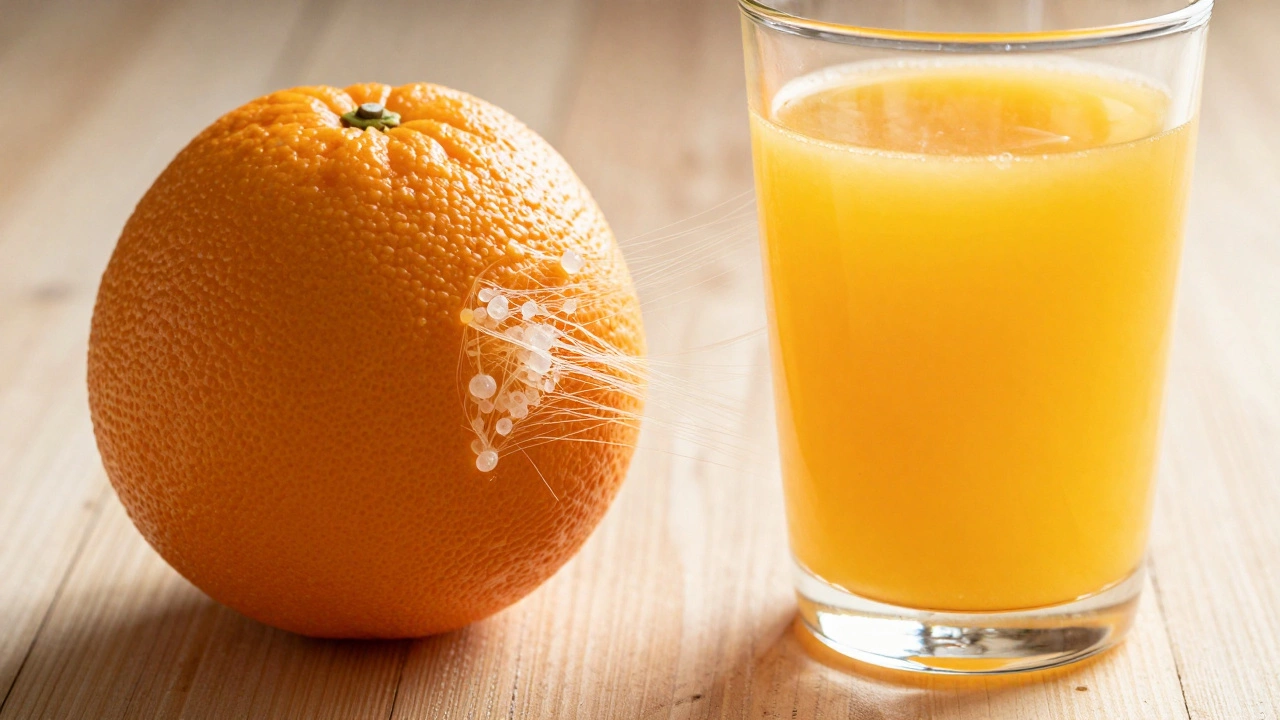
This one catches many people off guard. We are taught that fruit is healthy. Therefore, fruit juice must be healthy too, right? Not when you have diabetes. In fact, for many diabetics, a glass of orange juice is metabolically similar to drinking a sugary soda.
The issue lies in the processing. When you eat a whole apple, you get the flesh, the skin, and the seeds. More importantly, you get the fiber. Fiber acts as a brake pedal for sugar absorption. It slows down the release of glucose into your bloodstream, giving your pancreas (or your injected insulin) time to handle the load.
When you juice that apple-or oranges, grapes, or carrots-you remove the fiber. What’s left is pure fructose and glucose suspended in water. This is called "free sugar." Your liver has to work overtime to process this sudden influx. Studies have shown that frequent consumption of fruit juice is linked to an increased risk of type 2 diabetes and worsening glycemic control in those who already have it.
Consider this comparison:
- Whole Orange: Contains about 12 grams of sugar and 3 grams of fiber. Digestion takes 20-30 minutes.
- Glass of OJ (from concentrate): Contains about 25-30 grams of sugar and 0 grams of fiber. Digestion happens in under 15 minutes.
To get the same amount of juice in that glass, you would have had to eat four or five whole oranges. Most people wouldn’t eat five oranges in one sitting because the volume and fiber make them feel full. With juice, you consume the sugar of five fruits without the satiety signals. This leads to overconsumption and rapid blood sugar spikes.
If you love the taste of citrus, squeeze a small wedge of lemon or lime into your water. Or better yet, eat the whole fruit. Pair it with a handful of almonds to further slow down sugar absorption. Remember: if it pours, it’s likely too fast for your blood sugar.
The Hidden Risk: Alcoholic Beverages
Alcohol is complex. It doesn’t always raise blood sugar immediately; in fact, it often lowers it. But this makes it dangerous in a different way. The liver plays a dual role: it breaks down alcohol and it releases stored glucose (glycogen) to keep your blood sugar stable when you aren’t eating.
When you drink alcohol, your liver prioritizes breaking down the ethanol because it views it as a toxin. It pauses the release of glucose. If you are on diabetes medication, especially insulin or medications like glimepiride, this combination can cause severe hypoglycemia (low blood sugar). This can happen hours after you’ve finished drinking, even while you are sleeping.
Moreover, many alcoholic drinks are loaded with carbs. Here is where the choice of drink matters immensely:
- Avoid: Cocktails mixed with soda, juice, or sweet vermouth. Beer is also high in carbohydrates; a single 12-oz beer can contain 13-15 grams of carbs, which your body converts to glucose.
- LIMIT: Dessert wines and liqueurs, which are essentially sugar bombs.
- Better Options: Dry red or white wines, or spirits like vodka, gin, or tequila mixed with zero-calorie mixers like club soda.
Even with "better" options, moderation is key. The American Diabetes Association suggests limiting intake to one drink per day for women and two for men, and never drinking on an empty stomach. Always have some food with fat and protein nearby to help stabilize glucose levels.
What About Coffee?
Coffee itself isn’t banned for diabetics. In fact, black coffee has been associated with a lower risk of developing type 2 diabetes. The problem arises when we turn coffee into a dessert. A large vanilla latte with whipped cream and syrup can contain more sugar than a candy bar.
Caffeine can also affect insulin sensitivity in some individuals, making their cells temporarily less responsive to insulin. If you notice your blood sugar creeping up after your morning cup, consider switching to decaf or reducing your caffeine intake. But the real villain here is the additive. Stick to black coffee, or add a splash of unsweetened almond milk or a dash of cinnamon. Cinnamon may actually help improve insulin sensitivity, offering a double benefit.

Smart Swaps: What to Drink Instead
Eliminating these three categories might feel restrictive at first. But once you adjust your palate, you’ll find plenty of refreshing, safe alternatives that support your health goals.
- Sparkling Water: If you miss the fizz of soda, switch to carbonated water. Add a splash of 100% cranberry juice (unsweetened) or fresh lime juice for flavor without the sugar crash.
- Unsweetened Tea: Green tea, black tea, and herbal teas like chamomile or peppermint have negligible effects on blood sugar. Green tea, in particular, contains antioxidants that may help improve insulin sensitivity.
- Water with Electrolytes: Sometimes thirst is mistaken for hunger or cravings. Plain water is best, but if you exercise heavily, an electrolyte drink with no added sugar can help maintain balance without spiking glucose.
- Milk Alternatives: If you need milk in your coffee or cereal, choose unsweetened almond, soy, or flax milk. Regular cow’s milk contains lactose (milk sugar), which does raise blood sugar, though more slowly than sucrose. Unsweetened plant milks typically have fewer carbs.
Reading Labels Like a Pro
Marketing terms can be deceptive. Words like "natural," "light," or "made with real fruit" do not mean low sugar. To protect your blood sugar, you need to become fluent in reading nutrition labels.
Look for the "Total Carbohydrates" line. On a standard diet, this number tells you how much glucose will enter your system. For most diabetics, a beverage should ideally have less than 5 grams of total carbs per serving. Also, scan the ingredient list for hidden sugars. Sugar goes by over 60 names, including:
- High-fructose corn syrup
- Cane juice crystals
- Maltodextrin
- Dextrose
- Agave nectar (yes, even agave raises blood sugar rapidly)
- Evaporated cane juice
If you see any of these in the top three ingredients, the drink is likely too sweet for your needs.
Can diabetics drink diet soda?
Yes, in moderation. Diet sodas use artificial sweeteners like aspartame or sucralose, which do not raise blood glucose directly. However, some studies suggest that artificial sweeteners may alter gut bacteria or increase cravings for sweet foods in some people. If you find yourself craving more sweets after drinking diet soda, switch to water or unsweetened tea.
Is coconut water safe for diabetics?
Coconut water is healthier than soda, but it still contains natural sugars. An 8-ounce serving has about 10-15 grams of sugar. It is not "free" to drink. If you choose to have it, treat it as a carbohydrate serving and account for it in your meal plan. Diluting it with water can help reduce the sugar impact.
Does alcohol interact with diabetes medication?
Yes, significantly. Alcohol can interfere with how your liver regulates blood sugar. Combined with insulin or sulfonylureas (like glipizide or glyburide), it increases the risk of hypoglycemia. Always consult your doctor about safe alcohol limits based on your specific medication regimen.
Can I drink smoothies if I have diabetes?
Smoothies can be tricky. Blending fruit breaks down the fiber structure, making the sugar absorb faster than chewing whole fruit. If you make smoothies, use mostly non-starchy vegetables (like spinach or kale), add a source of protein (like Greek yogurt or protein powder), and limit the fruit to a small portion, such as half a cup of berries.
How much water should a diabetic drink daily?
There is no single rule, but staying hydrated helps the kidneys flush out excess sugar through urine. Aim for 8-10 glasses of water a day, or more if you are active or live in a hot climate. Dark yellow urine is a sign you need to drink more. Proper hydration also helps prevent dehydration, which can worsen high blood sugar levels.