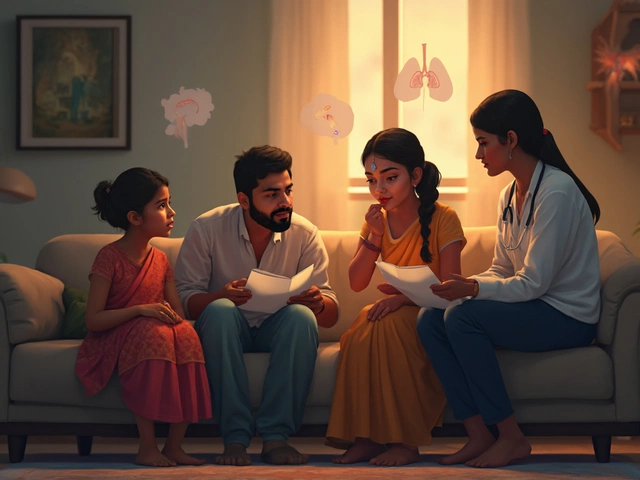
Did you know that around 90% of all cancers are attributed to a few common types? Yep, it's true. The big hitters like breast, lung, prostate, and colorectal cancer dominate the statistics. Have you ever wondered why this is the case? Understanding these prevalent forms of cancer, what fuels them, and how they can potentially be avoided is crucial. Let's delve into why these specific cancers are so widespread and what you can do to lower your risk.
First up, let's talk about lifestyle. It's probably no surprise that your daily habits play a huge role in cancer risk. Smoking, unhealthy diets, lack of exercise, and excessive alcohol are big contributors. Think about it: how often do you grab a quick, processed meal instead of something nutritious? Small choices add up.
Then there's the genetic and environmental factors. Some people are born with genes that predispose them to certain cancers, while others might be exposed to harmful substances like pollution or radiation. It's a mix of nature and nurture, really. But, just because you're at risk doesn't mean you're destined to suffer. Knowledge is power, right? By understanding your personal risk factors, you can make informed decisions about your health.
- Most Common Types of Cancer
- Why These Cancers Are So Prevalent
- Lifestyle Factors and Prevention
- Genetic vs. Environmental Impacts
- Practical Tips for Cancer Prevention
Most Common Types of Cancer
Let's face it, when we hear the word "cancer," a few types often come to mind right away. These common cancers we're about to talk about contribute to a large share of diagnoses worldwide. They're the ones that keep popping up on health reports and affecting so many lives.
Breast Cancer
For women, breast cancer is possibly the most widely recognized. It usually starts in the milk ducts or lobules and can spread to other areas if not detected early. Advancements in screening and treatment mean survival rates have significantly improved, but regular screenings are essential.
Lung Cancer
No surprise here, but lung cancer is the one most linked to smoking. Of course, non-smokers can develop it, too, especially due to exposure to pollutants like radon or industrial chemicals. Keeping your lungs smoke-free greatly diminishes risk.
Prostate Cancer
This one mainly affects men, particularly as they age. The good news is prostate cancer usually grows slowly and is often detected early through routine check-ups. Remember to get those screenings, gentlemen!
Colorectal Cancer
Commonly known as bowel cancer, this type affects the colon or rectum. Diet plays a key role—plenty of fiber-rich foods and regular exercise can help prevent it. It's all about keeping things moving smoothly.
Other Notables
Some other types that frequently appear on the radar include skin, bladder, and non-Hodgkin's lymphoma. While they might be less talked about, they're still significant players in the cancer world.
Here's a quick look at their average annual diagnoses:
| Type of Cancer | Average Annual Diagnoses (Worldwide) |
|---|---|
| Breast Cancer | 2.3 million |
| Lung Cancer | 2.2 million |
| Colorectal Cancer | 1.9 million |
| Prostate Cancer | 1.4 million |
Understanding these cancer types can arm you with knowledge and lead to more proactive health decisions. Remember, preventive measures and regular screenings can make a big difference.
Why These Cancers Are So Prevalent
Have you ever thought about why certain cancer types like lung, breast, prostate, and colorectal are seen everywhere? It's not just coincidence. These cancers are common due to a blend of widely shared risk factors, environmental exposures, and our lifestyles.
The Role of Lifestyle
Lifestyle choices, like smoking and diet, are huge. For example, smoking is a major culprit behind most lung cancers. It's like pouring fuel on a fire. Then there's the matter of diet and exercise. A heavy reliance on processed foods and skipping out on exercise can lead to obesity, a significant risk factor for common cancers like breast and colorectal.
Environmental and Genetic Factors
Environment plays its part too. Think about air pollution and radiation—both can lead to a higher likelihood of developing certain cancers, like lung cancer. On the genetic front, some folks are just more susceptible due to inherited gene mutations. Yet, it's not all doom and gloom. While you can't rewire your genes, knowing your history and monitoring environmental exposure helps in taking proactive steps.
Modern Day Stressors
Stress and busy lifestyles can contribute by affecting your immune system. When stress hormones are in overdrive, your body's defenses go down, potentially making it easier for cancer cells to multiply unnoticed. Ever wonder why city-dwellers often face higher cancer causes? Lifestyle stress and pollution might be the reason.
| Cancer Type | Major Risk Factor |
|---|---|
| Lung | Smoking |
| Breast | Obesity |
| Colorectal | Poor Diet |
| Prostate | Age |
Knowing what makes these cancers tick is empowering! It's all about making informed choices, understanding your environment, and keeping tabs on personal health to navigate this health maze successfully.

Lifestyle Factors and Prevention
Alright, so let's get down to the nitty-gritty of how your lifestyle can ramp up your risk for those common cancers. It's often said, 'you are what you eat,' and when it comes to cancer risk, diet plays a crucial role. A heavily processed diet, loaded with sugars and unhealthy fats, can wreak havoc. Swapping out those potato chips for fresh fruits and veggies is a good start.
According to the American Cancer Society, maintaining a healthy weight can lower the risk of several types of cancer, including breast and colorectal. They've got a point: balancing your energy intake and output by eating well and staying active is key.
Dr. Michael Greger once said, "Lifestyle medicine may offer the most comprehensive and effective approach to cancer management." It's about mastering the healthy habits that sound basic but have a major impact.
Kick the Bad Habits
Smoking? A total no-go for lung cancer prevention. It's responsible for about 85% of all lung cancer cases. Not just lung, it's a major culprit in many other types as well. Binge drinking isn't a friend either. Limiting alcohol intake can significantly slash risks.
Get Moving
Exercise isn't just about fitting into that old pair of jeans. Staying active helps regulate hormones and keeps obesity at bay, reducing cancer risk. Aim for at least 150 minutes of moderate exercise a week, like brisk walking or cycling.
Think Long-Term
Incorporating these preventive measures may seem like a shift, but they're worth the effort. You're investing in your future. Don't forget regular screenings, as catching any warning signs early can make a world of difference.
To wrap it up, engaging in a healthy lifestyle is a powerful tool in your arsenal against cancer. It's less about your genes and more about adopting habits that nurture your body. The changes might be small, but the payoff can be enormous.
Genetic vs. Environmental Impacts
Okay, some of us have drawn the short straw in the genetic lottery. What does that mean? Well, specific genes that we inherit from our parents can make us more likely to develop certain types of cancer. For example, mutations in the BRCA1 and BRCA2 genes are notorious for increasing breast and ovarian cancer risks. These genetic factors are beyond our control, but knowing your family's health history can be a game-changer. It allows you to monitor symptoms early and take preventive measures.
Now, let's chat about environmental factors. Imagine the stuff you come in contact with every day—air pollution, chemicals, even the sun's rays. All these are environmental exposures. Did you know prolonged exposure to UV rays can lead to skin cancer? Yep, something as simple as not wearing sunscreen can have long-term consequences. The environment around us silently plays a role in how our cells change, potentially triggering cancer over time.
Balancing Both Worlds
Life’s a mix of both these forces. You can't change your genes, but you can definitely alter some environmental aspects to tip the scales in your favor. Quit smoking, limit alcohol, eat a balanced diet, and safeguard yourself against harmful sun exposure by using sunscreen or wearing protective clothing. These steps dramatically decrease your risk for many common cancers.
Spotting the Risks Early
A proactive approach can make all the difference. Regular screenings, knowing your family history, and staying updated with vaccinations, like the HPV vaccine, are proactive steps in managing your health. Remember, being aware doesn't mean being anxious; it's about empowerment.
Practical Tips for Cancer Prevention
Looking to lower your cancer risk? You're in the right place. Making some lifestyle tweaks can make a big difference. Let's break down what you can do.
Watch What You Eat
Your diet plays a massive role in cancer prevention. Focus on whole foods and plenty of fruits and vegetables. Try to minimize processed foods and sugars. It's not just about cutting calories; it's about making smarter choices.
- Include more fiber: Whole grains, beans, and leafy greens are your friends. Fiber helps your digestive system stay on track.
- Stay hydrated: Water helps flush out toxins. Aim for 8 cups a day. Add some lemon or cucumber slices for flavor.
Stay Active
Physical activity can help keep cancer at bay. You don't need to become a gym rat, but regular activity is key.
- Aim for 30 minutes of exercise: Walking, cycling, or even yoga. Just get moving daily to boost your immunity and reduce weight.
- Limit sedentary time: If you have a desk job, try standing or stretching every hour.
Avoid Harmful Habits
Some habits are just bad news.
- Quit smoking: It's the leading cause of many cancers. Need help? Talk to a healthcare professional about cessation tools.
- Limit alcohol consumption: Moderation is key. Men should stick to two drinks a day, and women to one.
Regular Screenings and Vaccinations
Prevention also means catching any issues early.
- Regular screenings: Talk to your doctor about the right schedule. Early detection is crucial, especially for common cancers like breast and colon.
- Vaccinate: HPV and hepatitis B vaccines can help prevent certain types of cancers. It's a simple step that can make a big difference.
Environmental Awareness
Last but not least, keep an eye on your surroundings.
- Be cautious with sun exposure: Use sunscreen and wear hats. Skin cancer is preventable with proper care.
- Reduce exposure to pollutants: If you live in a high-pollution area, consider an air purifier at home.
So, there you have it. Implementing these tips helps curb your risk of cancer. It might seem like a lot, but starting small with just one or two changes can set you on the right path!